Beyond Thoughts and Prayers: A Survivor’s Plea for Preventable Change in the Face of Gun Violence
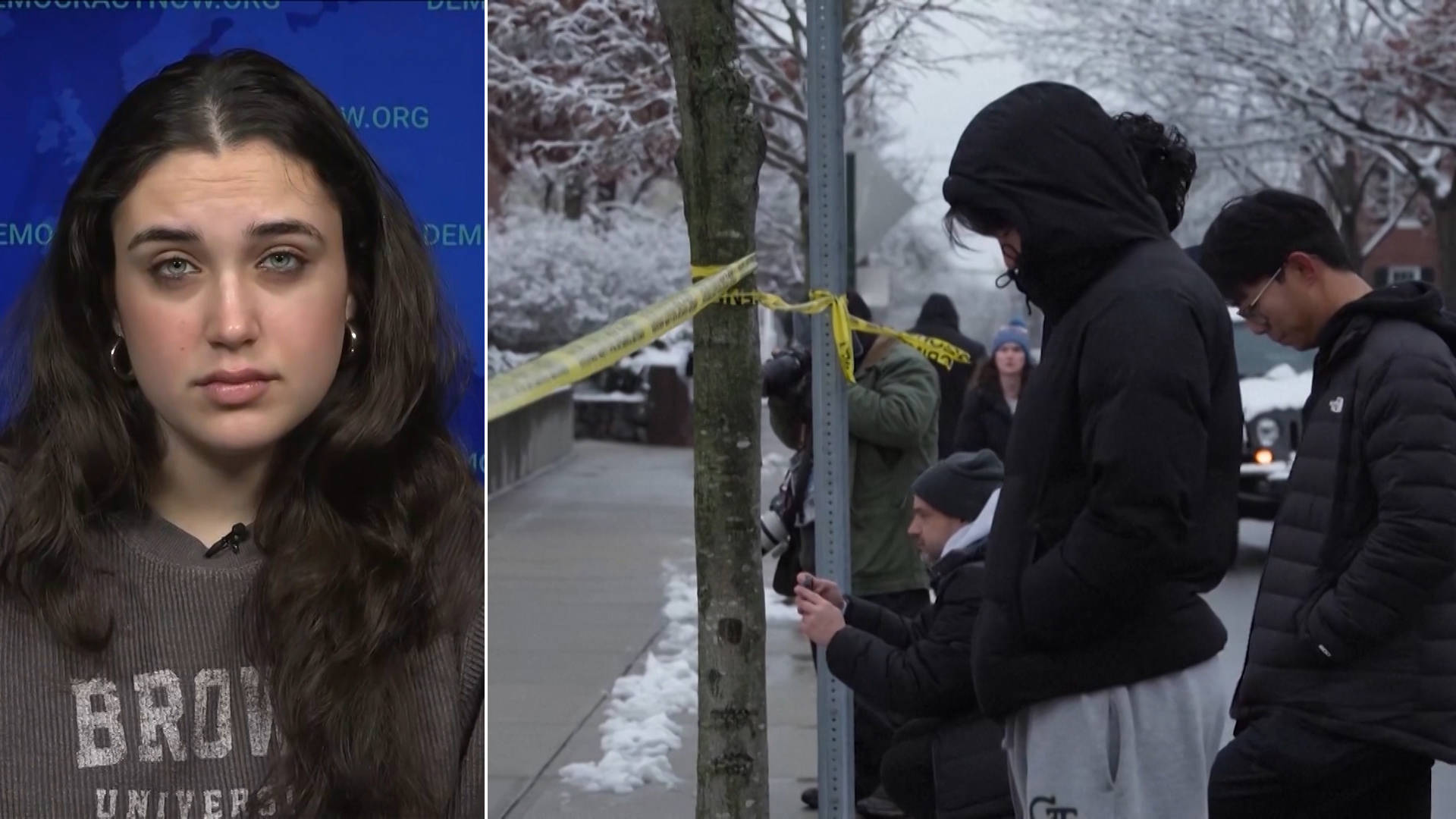
The aftermath of yet another school shooting – this time at brown University - brings a familiar wave of grief, shock, and, for many, a simmering frustration. Mia Tretta,a junior at Brown and a long-time gun safety advocate who herself survived a shooting at Saugus High School,powerfully articulated this frustration in a recent interview. She challenges the cycle of “thoughts and prayers” offered by some political leaders, and demands concrete action. This isn’t about politicizing tragedy; it’s about recognizing a preventable crisis and demanding accountability.
This article delves into the core arguments presented by Tretta, exploring why she believes every mass shooting is preventable, and what steps we can take to move beyond condolences and towards lasting solutions. We’ll examine the data, the political roadblocks, and the profound impact of gun violence on survivors like Mia, offering a path forward grounded in evidence and empathy.
The Illusion of Inevitability: Why “Normal” Isn’t Acceptable
Tretta’s central point is stark: America uniquely accepts gun violence as a “fact of life.” This acceptance is not only deeply troubling, but demonstrably false. no other developed nation tolerates this level of firearm-related death and injury.
Consider these points:
* Gun violence is not inevitable. It’s a policy choice.
* The fear of everyday violence is not normal. You shouldn’t fear for your safety walking down the street or sending your child to school.
* Our elected officials have a fundamental obligation to ensure public safety. This includes addressing the root causes of gun violence.
Tretta rightly points out that no one wants more gun violence. So why aren’t we actively working to reduce it? The answer, sadly, lies in a complex web of political inaction and entrenched interests.
The Data Doesn’t Lie: Gun Laws Save Lives
The assertion that stricter gun laws correlate with lower gun crime isn’t simply an opinion; it’s supported by data. Tretta highlights Rhode Island as an example, noting its comparatively low gun crime rates are linked to its robust gun laws.
Here’s a breakdown of what the research shows:
* Universal Background Checks: States with universal background checks for all gun sales consistently experience lower rates of gun violence.
* Assault Weapons Bans: Banning military-style assault weapons and high-capacity magazines reduces the lethality of mass shootings.
* Red Flag Laws: Allowing temporary removal of firearms from individuals deemed a danger to themselves or others can prevent tragedies.
* Safe Storage Laws: Requiring secure storage of firearms reduces accidental shootings, suicides, and theft.
it’s crucial to understand that these aren’t about taking guns away from responsible owners. They’re about responsible gun ownership and preventing firearms from falling into the wrong hands.
The Political Divide: Why Progress Stalls
Tretta’s observation that gun crime tends to increase under Republican leadership isn’t a coincidence. It reflects a consistent pattern of opposition to common-sense gun safety measures.
The common refrain of “do not politicize a tragedy” is often used as a shield to deflect from meaningful action. but not acting is a political decision in itself. It’s a decision to prioritize political expediency over the lives of citizens.
You deserve leaders who are willing to confront this issue head-on, not offer empty platitudes.
The Lifelong Impact: Beyond the Physical Wounds
Mia Tretta’s personal story underscores the devastating, long-term consequences of gun violence. She describes how a school shooting “flips your whole life upside down,” impacting not only physical health but also emotional well-being.
Her experience highlights:
* The ongoing physical challenges: Even after initial recovery,survivors often face a lifetime of medical appointments and potential complications.
* The emotional trauma: PTSD, anxiety, and depression are common among survivors, requiring ongoing mental health support.
* The constant reminder: The trauma becomes a part of your identity, impacting every aspect of your life.
This isn’t just about statistics; it’s about real people whose lives are irrevocably altered by gun violence.
Moving Forward: Support, Community,
Related reading