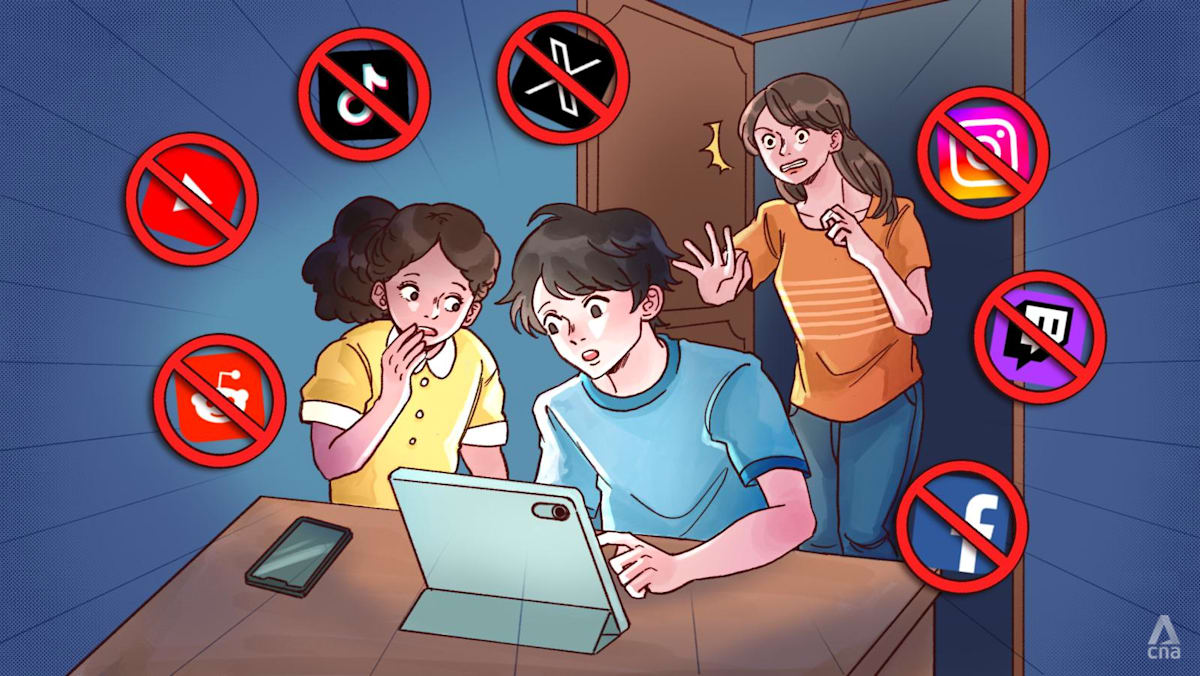
The Double-Edged Sword of online Safety: Age Verification, Hidden Harms, and the Future of Teen Social Media Use
Are we truly protecting our children online, or simply pushing harmful activity into the shadows? The debate surrounding online safety for teenagers is intensifying, notably with proposed age verification measures gaining traction. While the intention - shielding young people from the darker sides of the internet – is laudable, experts warn that a simplistic approach could have unintended consequences. This article delves into the complexities of this issue, exploring the potential pitfalls of age verification, the risk of migrating harms too unregulated platforms, and the vital role social media plays in adolescent advancement.
The Allure and Anxiety of the Digital World
Social media is woven into the fabric of modern teenage life. It’s where friendships are forged, identities are explored, and information is readily accessed. But this digital landscape also presents significant risks – cyberbullying, exposure to inappropriate content, and the potential for online exploitation. Parents, policymakers, and tech companies are all grappling with how to mitigate these dangers.
The current focus frequently enough centers on age verification. The idea is straightforward: ensure users are of the appropriate age before granting access to platforms. However,Dr. Chew Han Ei, Senior Research Fellow and Head of Governance and Economy at the Institute of Policy Studies (IPS), cautions that prioritizing age verification could divert resources from addressing the root causes of online harm. “When tech companies put their resources into age verification, fixing the source of online harms, such as algorithms, may end up on the back burner,” he explains. This is a critical point – simply verifying age doesn’t address the underlying issues that create harmful environments.
The “Whac-A-Mole” Effect: Will Regulation Just Shift the Problem?
A significant concern is the potential for a “zero-sum” game. If regulations become too stringent on mainstream platforms like Instagram or TikTok, young people may simply migrate to less regulated spaces.Dr.Chew highlights this possibility, pointing to the 2019 case of the “SG Nasi Lemak” Telegram group in Singapore - a notorious platform for sharing obscene content. https://www.channelnewsasia.com/singapore/sg-nasi-lemak-telegram-admin-leonard-teo-min-xuan-porn-charge-1313526
“It could be that the online harms on the regulated platforms will drop because the young people are no longer on it, but that’s what you can see… what we might not be able to see is the migration to other platforms where the online harms could be happening,” Dr. Chew states. These platforms,often operating with less oversight,could become havens for harmful activity,effectively rendering regulatory efforts ineffective. the harms don’t disappear; they simply become less visible. This underscores the need for a holistic approach that extends beyond simply controlling access.
Beyond Restriction: The Positive Role of Social Media in Teen Development
It’s crucial to remember that social media isn’t inherently harmful. For many teenagers, it’s a vital tool for connection, support, and learning. Dr. Chew emphasizes that banning social media altogether removes these benefits alongside the risks. “But by banning (social media), you are taking away all that, the bad and the good,” he says.
This sentiment is echoed by parents like Shubhada jayant Bhide, who recognizes the inevitability of social media use among teens. “If they are not going to use it, their peers, their friends, are still using it. And honestly, they have seen their parents also using it. So it’s very tough to have that complete control in place,” she explains.
Furthermore, social media can be a powerful educational resource. Bhide’s son, Shrihaan, utilizes platforms like YouTube to explore his passion for geography, accessing valuable information from authorized channels. This highlights the potential for social media to foster curiosity, learning, and intellectual growth.
A Balanced Approach: Fostering digital Literacy and Open Dialogue
So, what’s the solution? A blanket ban or overly restrictive age verification isn’t the answer.Instead, a more nuanced approach is required, one that prioritizes digital literacy, open communication, and responsible platform design.
here are key strategies:
Worth a look