The Looming Electricity Bill Crisis: How Data Centers & AI are Reshaping Power Costs
Are you bracing for higher electricity bills? You’re not alone. A quiet shift is underway in the energy landscape, driven by the explosive growth of data centers – the backbone of our digital world and, increasingly, the engine powering Artificial Intelligence (AI). While these facilities are essential for modern life, a growing concern among lawmakers and energy experts is whether consumers are about to foot the bill for their massive energy demands. This article dives deep into the emerging conflict between data center expansion, utility infrastructure, and the potential for considerably increased electricity costs for everyday households.
The Data Center Demand Surge: A Perfect Storm
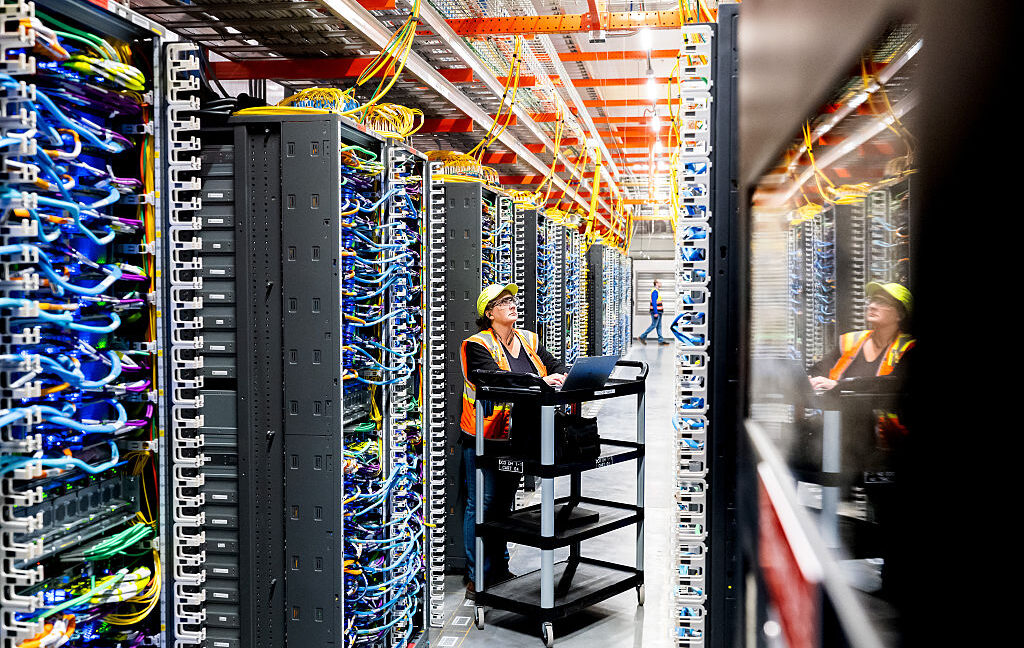
The demand for data storage and processing is skyrocketing, fueled by cloud computing, streaming services, the Internet of Things (IoT), and, most notably, the rapid advancement of AI. Companies like amazon, Google, Microsoft, and Meta are aggressively building and expanding data centers to meet this demand. These facilities consume enormous amounts of electricity – often comparable to a small city.
Recent statistics paint a stark picture. According to a December 2024 report by the U.S. Energy Information Administration (EIA), data center electricity consumption in the U.S. is projected to more than double by 2030,reaching an estimated 300 billion kilowatt-hours annually. This represents a significant strain on existing grid infrastructure. Furthermore, a November 2024 study published in ScienceDirect highlights the complex relationship between data center energy use and overall electricity costs, noting that while data centers can sometimes reduce costs by spreading infrastructure upgrades, this outcome is highly variable and doesn’t account for the exponential growth of AI.
The core issue? The customary utility business model relies on spreading infrastructure costs across a broad customer base. When a single entity – a massive data center – consumes an outsized portion of the energy, the cost of upgrades and expansions to support that demand can disproportionately impact other consumers.
Senators Raise the Alarm: A Call for Accountability
The potential for this cost shift hasn’t gone unnoticed. In December 2025, a group of U.S. Senators sent a letter expressing concerns that data centers may not be adequately contributing to the costs of the infrastructure they require. As the senators pointed out, “If data centers end up providing less business to the utility companies than anticipated, consumers could be left with massive electricity bills as utility companies recoup billions in new infrastructure costs, with nothing to show for it.”
This concern is particularly acute in regions experiencing rapid data center growth. States like Utah, Oregon, and Ohio are already taking proactive steps, enacting legislation to create a separate utility customer class for data centers. These laws typically include financial safeguards like upfront payments and longer-term contracts,ensuring data centers contribute to infrastructure costs. Virginia is currently considering similar legislation.
The Utility Model Under Scrutiny: Is it Fair?
The fundamental question at the heart of this debate is fairness. Ari Peskoe, director of the Electricity Law Initiative at the Harvard Law School Environmental and Energy Law Program, articulated the issue succinctly in a September 2025 interview: “The utility business model is all about spreading costs…But when it’s a single consumer that is using so much energy-basically that of an entire city-and when that new city happens to be owned by the wealthiest corporations in the world, I think it’s time to look at the fundamental assumptions of utility regulation.”
Peskoe’s point is critical. The current system, designed for a more distributed energy load, may be ill-equipped to handle the concentrated demand of hyperscale data centers.Lawrence Berkeley National Laboratory researchers echoed this sentiment, concluding in a recent study that “spikes in load growth can result in notable, near-term retail price increases.” the long-term impact on average costs remains unclear,but the risk of immediate price hikes is very real.
What Can Be Done? Actionable Solutions
Addressing this challenge requires a multi-faceted approach:
* Regulatory Reform: States need to update utility regulations to reflect the realities of concentrated energy demand. This includes exploring tiered pricing structures, requiring data centers to directly fund infrastructure upgrades, and implementing stricter oversight of energy consumption.
* Demand Response Programs: Incentivizing data centers to shift their energy usage to off-peak hours can definitely help alleviate strain on the grid during peak demand periods.
* renewable Energy Integration: Encouraging data centers to power their operations with renewable energy sources reduces reliance on traditional power plants and lowers carbon emissions. Many companies are already making commitments to 100% renewable
- Hyperice Collaboration: Vibration & Heat Revolutionize Your Recovery
- First AI-Driven Cyberattack Triggers Response from 30 US Tech Companies
- Hot Oatmeal with Fruits & Natural Ingredients for Energy & Satiety (world-today-news.com)
- Iowa Generates More Electricity Than It Uses Through Wind Energy (archyde.com)