Tebra Secures $250M to Revolutionize Autonomous Practices with AI – A Deep Dive
Independent medical practices are facing unprecedented challenges. Rising costs, shrinking reimbursements, and competition from large healthcare systems are creating a “squeeze” that threatens their viability. But a new wave of innovation, fueled by Artificial Intelligence, is poised to level the playing field. Leading the charge is Tebra, who recently announced a $250 million funding round led by Hildred to transform it’s EHR platform into a powerful “System of Action.”
this isn’t just about digitizing records; it’s about fundamentally changing how you practice medicine.Let’s break down what this means for you, your practice, and the future of independent healthcare.
The Pressure on Independent Practices: Understanding the “Squeeze”
You’re likely feeling it firsthand.the combination of increasing overhead, declining reimbursement rates, and aggressive competition is creating a perfect storm. Maintaining profitability while delivering quality care is becoming increasingly difficult.
Tebra’s CEO, Dan Rodrigues, calls this the ”squeeze,” and believes AI is the “great equalizer” for the industry.the recent oversubscribed funding round – with participation from existing investors Toba Capital, Change Capital, and HLM Venture Partners – signals strong investor confidence in this vision. As Hildred Co-Founder Andrew Goldman points out, Tebra’s platform is unique because it actively works for providers, not just storing information.
where Will the $250 Million Investment Go? Tebra’s AI Roadmap
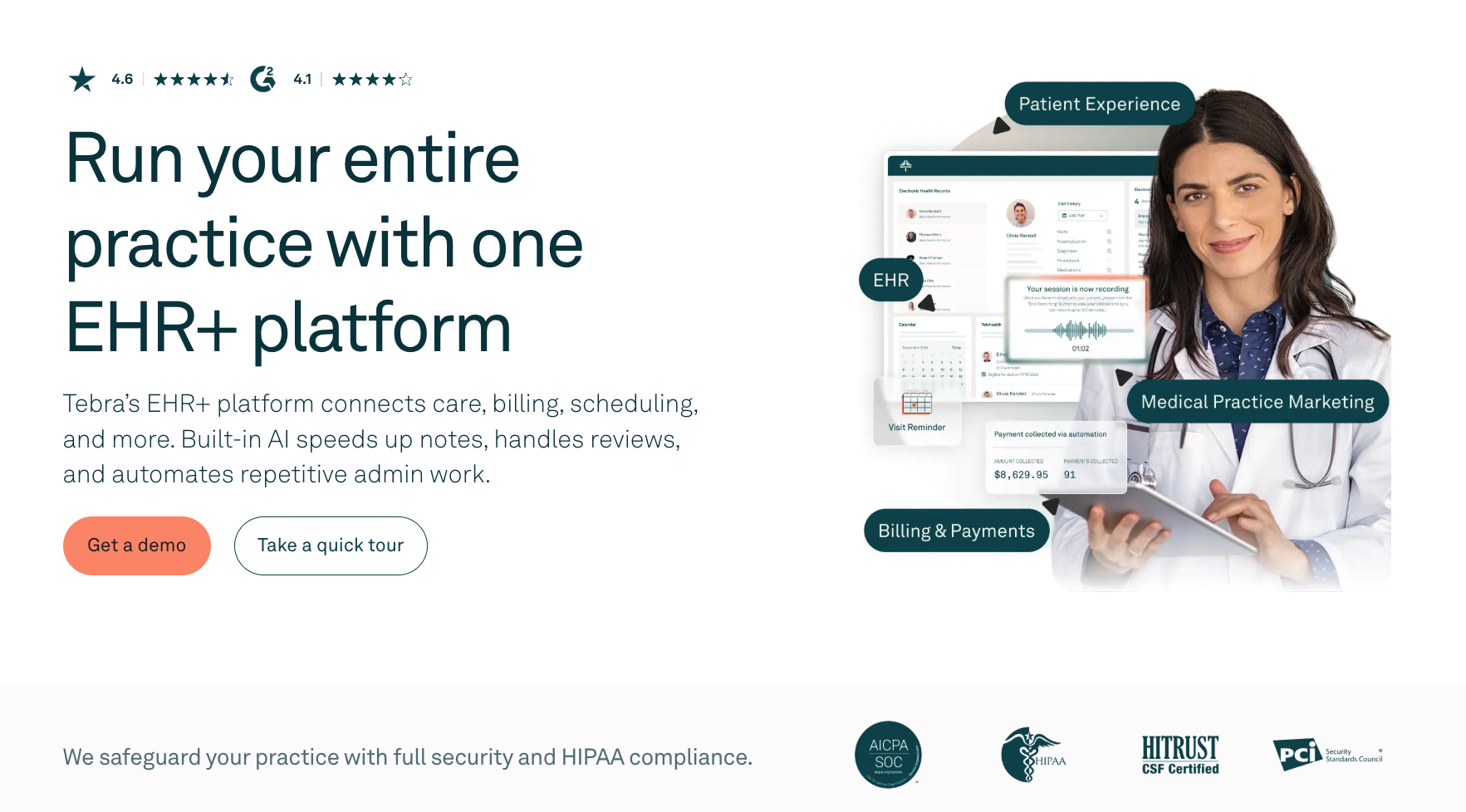
Tebra isn’t just throwing money at AI; they’ve developed a focused roadmap targeting the biggest pain points in your daily operations. Here’s a breakdown of the three key pillars:
1. Provider Efficiency: Reclaiming Your time (the ”burnout” Pillar)
Burnout is a critical issue in healthcare. You went into medicine to care for patients,not spend hours on paperwork. Tebra is doubling down on tools like AI Note Assist to automate clinical documentation.
* The Impact: AI Note Assist has already generated over 500,000 notes in the latter half of this year.
* The benefit: Providers are seeing an average of 60% reduction in documentation time per note.
* The goal: Give you back valuable clinical time, allowing you to see more patients or achieve a better work-life balance.
2. Revenue Recovery: Plugging the Profit Leaks (The “Financial” Pillar)
Billing complexity is a notorious source of lost revenue for small practices. Errors, denials, and inefficient processes add up quickly. Tebra plans to deploy next-generation AI for:
* Automated coding.
* Streamlined claims generation.
* Proactive denial prevention.
The logic: By automating the revenue cycle, you can accelerate payments, reduce administrative costs, and maximize your practice’s financial health.
3. Practice Growth: Attracting and Engaging Patients (The ”Marketing” Pillar)
Attracting new patients and maintaining a strong online reputation is crucial for growth. Tebra is leveraging AI to help you do just that.
* Current Success: Their AI Review Replies feature, which automatically responds to patient reviews, has already driven a 45% increase in website clicks for users.
* Future Plans: Scaling the Tebra care Connect marketplace to connect independent providers with new patients.
Tebra: A Disruptor with a Solid Foundation
Tebra isn’t a startup hoping to find its footing. with a profitable core buisness,a massive user base of 140,000 providers,and management of 125 million patient records,they’re a scaled player ready to consolidate a fragmented market.
They’re positioning themselves as an ”all-in-one” solution, replacing the cumbersome, disconnected tools that plague many independent practices.This focus on convenience and automation is a powerful bet - one that suggests Tebra is poised to win the war for the future of independent healthcare.
What does this mean for you? It means a potential pathway to reduced burnout, increased revenue, and sustainable growth. It means a future where AI empowers you to
Keep reading