Understanding and Managing Congenital Fibrinogen Deficiency
fibrinogen is a vital protein in your blood,essential for forming clots and stopping bleeding.Congenital fibrinogen deficiency,a rare inherited disorder,means your body doesn’t produce enough of this crucial protein. This can lead to a tendency to bleed excessively, even from minor injuries. Let’s explore what this condition entails and how it’s managed.
What Happens When Fibrinogen is Low?
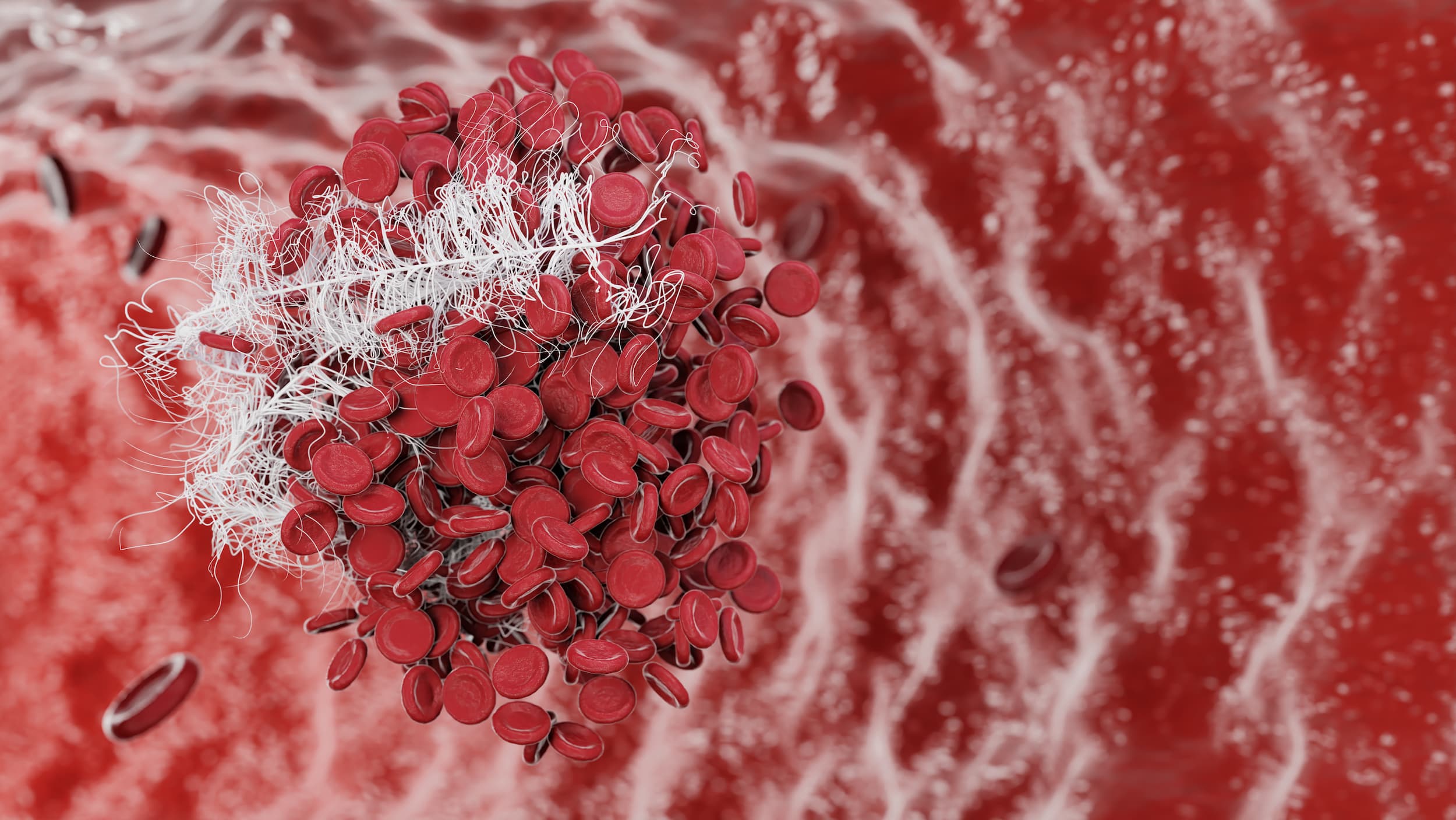
Essentially, fibrinogen acts as a building block for blood clots. When you experience a cut or injury, fibrinogen transforms into fibrin, creating a mesh that stabilizes the clot. Without sufficient fibrinogen, this process is impaired, resulting in prolonged bleeding. The severity of bleeding can vary substantially depending on the level of fibrinogen deficiency you have.
Recognizing the Signs and Symptoms
Bleeding symptoms associated with congenital fibrinogen deficiency can manifest in several ways. These include:
* Easy bruising, even with minimal trauma.
* prolonged bleeding from cuts or wounds.
* Nosebleeds that are tough to stop.
* Heavy menstrual periods in women.
* Bleeding in muscles or joints.
* In rare cases, spontaneous bleeding.
If you experience any of these symptoms, especially if they are frequent or severe, it’s significant to seek medical attention.
How is it Diagnosed?
Diagnosing congenital fibrinogen deficiency typically involves a combination of medical history review and laboratory tests. A healthcare professional will likely ask about your family history of bleeding disorders and any personal experiences with excessive bleeding.
Blood tests are then used to measure your fibrinogen levels. additional tests, such as a functional fibrinogen assay, can assess how well your fibrinogen is working.
Treatment Options Available to You
Fortunately, several effective treatments are available to manage congenital fibrinogen deficiency. The primary goal of treatment is to prevent and control bleeding episodes. Here’s a breakdown of common approaches:
* Fibrinogen Concentrate Replacement Therapy: This involves infusing a concentrated form of fibrinogen into your bloodstream to quickly raise your levels and stop bleeding. A new fibrinogen concentrate, Fesiltym™ (fibrinogen human, chmt), recently received FDA approval, offering another option for treatment.
* Antifibrinolytic Medications: These medications help stabilize blood clots by preventing the breakdown of fibrin. They can be used to prevent or treat bleeding,notably during minor procedures or menstruation.
* Prophylactic Treatment: For individuals with severe deficiency, regular infusions of fibrinogen concentrate may be recommended to maintain adequate levels and prevent spontaneous bleeding.
I’ve found that working closely with a hematologist – a doctor specializing in blood disorders – is crucial for developing a personalized treatment plan that best suits your needs.
Current Research and Future Directions
Ongoing research continues to refine our understanding and treatment of congenital fibrinogen deficiency. Clinical trials are evaluating the pharmacokinetic properties, efficacy, and safety of new fibrinogen concentrates, like BT524 (NCT02065882). These studies aim to optimize treatment strategies and improve the quality of life for those affected by this condition.
Living with Congenital Fibrinogen Deficiency
while living with a bleeding disorder requires careful management, you can lead a full and active life. Here are a few practical tips:
* Carry Identification: Always wear a medical alert bracelet or carry a card indicating your condition.
* Inform Healthcare Providers: Let all your doctors and dentists know about your fibrinogen deficiency before any procedures.
* Avoid Certain Medications: Some medications, like aspirin and ibuprofen, can interfere with blood clotting and should be avoided.
* Plan for Activities: Consider the potential for injury when participating in sports or other
Keep reading