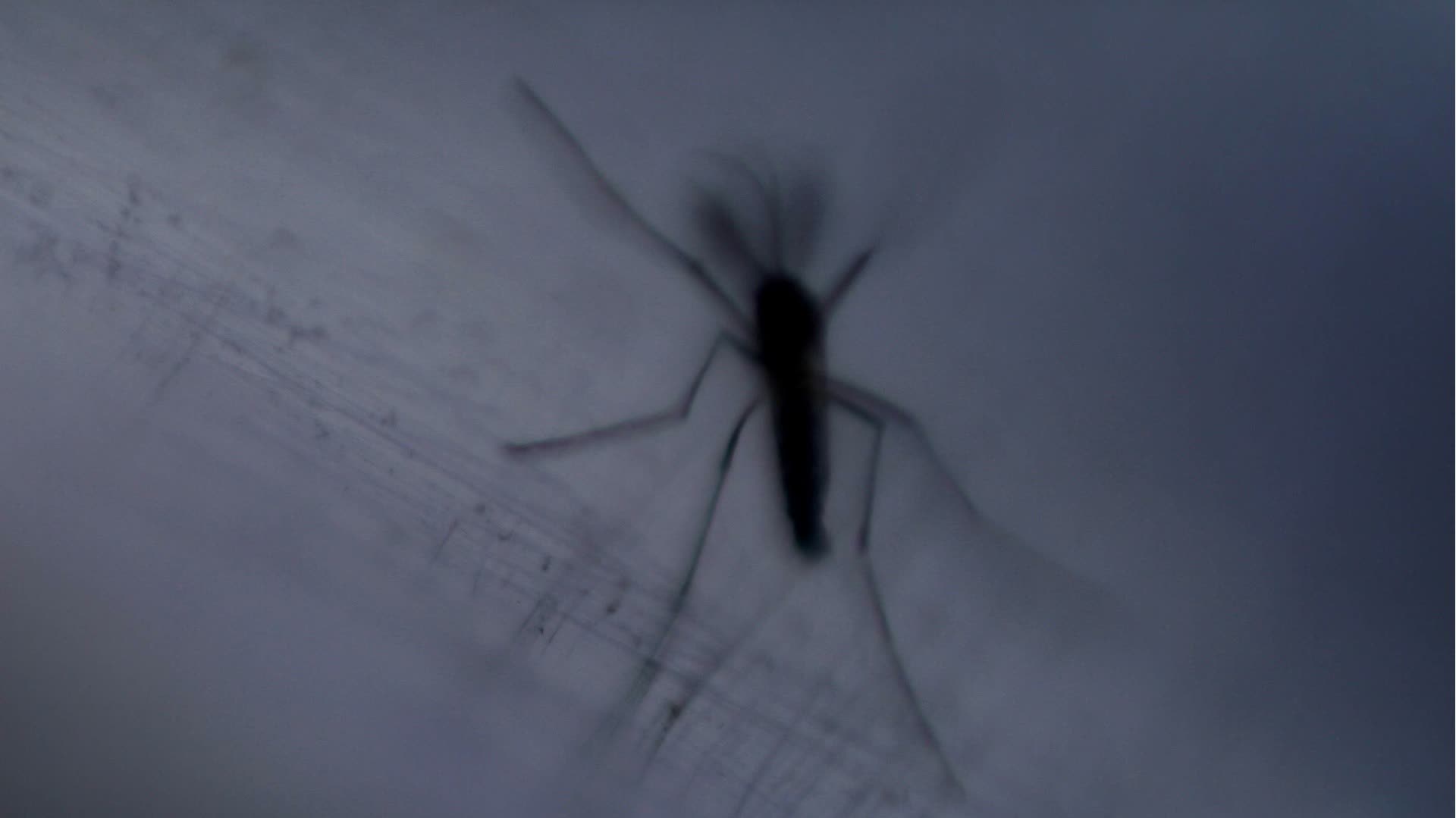
Zamboanga City in the Philippines is facing a severe health emergency following a sharp rise in dengue fever cases that has resulted in 12 deaths across the region, according to recent public health updates. Local medical facilities and municipal authorities have ramped up vector control efforts and hospital admissions as the tropical disease strains local healthcare infrastructure.
The outbreak in Zamboanga City underscores a broader regional surge in vector-borne illnesses across South and Southeast Asia. Public health agencies are closely monitoring infection rates, deploying targeted mosquito eradication campaigns, and urging residents to seek immediate medical care if they experience persistent high fevers, joint pain, or other classic symptoms of the mosquito-borne virus.
Municipal health officials in Zamboanga City reported that the fatalities occurred amid an influx of patients seeking treatment for severe dengue manifestations. Hospitals in the area have instituted triage protocols to manage the patient load, prioritizing severe cases while community health workers conduct fogging operations and distribute larvicides in high-risk neighborhoods.
Health authorities emphasize that timely intervention remains critical in reducing mortality rates associated with the virus. Medical professionals advise individuals living in affected sectors to eliminate standing water around homes, where Aedes mosquitoes typically breed, and to use insect repellent regularly during peak biting hours.
Regional Vector Control Responses and International Context
The dengue crisis in the Philippines mirrors escalating transmission rates in other parts of the world, prompting innovative responses from public health and military agencies. In Sri Lanka, officials recently confronted what health agencies described as the worst dengue outbreak in nearly a decade, driving authorities to deploy unconventional tactics, including military drones, to locate and neutralize hidden mosquito breeding grounds in urban and rural sectors.
According to reports covering the Sri Lankan response, aerial reconnaissance technology allows sanitation teams to inspect rooftop water tanks, abandoned properties, and other inaccessible areas where mosquito larvae thrive. This integration of military hardware into public health vector management highlights the severity of modern outbreaks driven by changing climate patterns and urban expansion.
Public health researchers note that traditional community-based clean-up drives often fall short when transmission accelerates rapidly during the monsoon and rainy seasons. The combination of targeted aerial surveillance, chemical larviciding, and community mobilization forms the cornerstone of modern containment strategies deployed by governments facing surging caseloads.
Clinical Guidance and Prevention Protocols
Healthcare providers remind the public that dengue fever is transmitted primarily by the bite of infected Aedes mosquitoes. Symptoms typically appear four to ten days after infection and include a sudden high fever, severe headaches, pain behind the eyes, muscle and joint pain, and a characteristic skin rash.
Medical professionals advise patients against taking non-steroidal anti-inflammatory drugs like ibuprofen or aspirin when experiencing dengue symptoms, as these medications can increase the risk of bleeding complications. Instead, clinicians recommend acetaminophen for pain and fever management, alongside adequate hydration under medical supervision.
Residents in Zamboanga City and other tropical regions experiencing elevated vector activity are encouraged to consult official municipal health advisories for updates on local hospital capacity, testing sites, and scheduled community sanitation drives.
- Specialist Doctor Salary: Average Monthly Gross Earnings & Pay Scales
- 3D Genome Mapping Links Crohn’s Disease Genes to Rare Immune Cells
- Wolbachia Method: New Technology to Fight Dengue Expands in Brazil (archyde.com)
- Policy Office Head Kim Yong-beom Reported Over Single-Stock Leverage ETF Directive (archynewsy.com)