Trail Hunting Under Scrutiny: A Potential Ban and Its Implications
The contentious practice of trail hunting in England and Wales is facing renewed pressure, with the Labour government signaling its intent to outlaw it. This move stems from growing concerns that trail hunting is frequently used as a cover for illegal animal hunting, despite existing regulations. let’s delve into the details, the arguments on both sides, and what this potential ban could mean for rural communities.
Understanding the Current Landscape
For centuries, hunting with hounds has been a tradition in parts of the UK. However,the 2004 Hunting Act substantially altered the landscape.Specifically, it prohibited the use of dogs to hunt mammals like foxes, hares, deer, and mink across england and Wales.
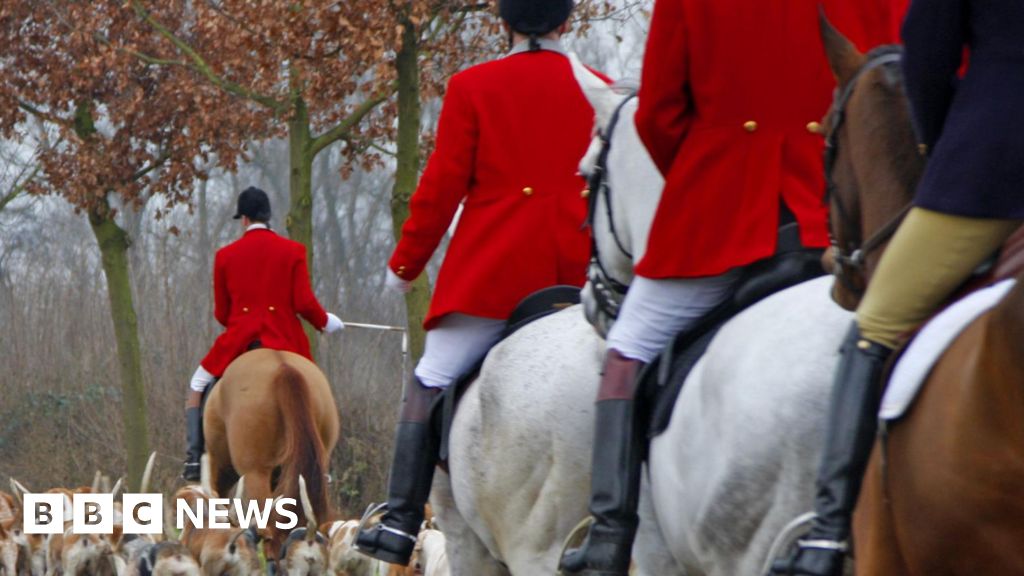
Trail hunting emerged as a response, designed to replicate the chase without the intent to kill. It involves creating an artificial scent trail – typically a rag soaked in animal scent – for hounds to follow.But is it truly a harmless substitute? Many believe it isn’t.
Rising Concerns and Allegations of Illegal Hunting
Recent reports suggest trail hunts are not always what they seem. The League Against Cruel Sports reported nearly 1,600 incidents during the last hunting season, including 397 instances of foxes being actively chased. These findings fuel accusations that trail hunting serves as a “smokescreen” for pursuing and killing live animals.
You might be wondering why this is happening. Critics argue that the thrill of the chase often leads hounds to deviate from the planned trail and target actual wildlife.
the Government’s Position and Proposed Ban
Ministers are now preparing to consult on the specifics of a ban in the new year. Baroness Hayman, the minister for animal welfare, affirmed the government’s commitment to fulfilling its manifesto pledge.
“There are concerns that trail hunting is being used a smokescreen for the hunting of wild animals, and that’s not acceptable,” she stated. The government aims to determine the most effective approach to implement the ban, seeking input through a public consultation.
Reactions from Stakeholders
The proposed ban has sparked strong reactions from both sides.
* Countryside Alliance: tim Bonner, the organization’s chief executive, dismissed the move as “completely unnecessary,” arguing the issue was settled two decades ago. He also expressed concern about the Labour party’s understanding of rural issues, especially in light of recent policies affecting farms and communities.
* British Hound Sports Association (BHSA): The BHSA maintains that trail hunts are “vital” to rural economies and contribute to the wellbeing of those involved. They highlight the financial benefits and the positive impact on mental and physical health.
* Rural Communities: Concerns within rural communities are palpable. One farmer, speaking anonymously to the BBC, expressed fear of being ostracized for publicly opposing hunting. They believe a ban reinforces the perception that Labour doesn’t understand or care about rural life.
Regional Differences and Existing Regulations
It’s significant to note that the situation varies across the UK.
* Scotland: Trail hunting is already prohibited.
* Northern Ireland: Hunting with dogs remains legal.
This patchwork of regulations adds complexity to the debate and highlights the differing perspectives on the issue.
What Does This Mean for You?
If you live in a rural area, or are involved in countryside pursuits, this potential ban could have significant implications. It could affect local economies,conventional practices,and the relationship between rural communities and the government.
The upcoming consultation will be a crucial chance to voice your concerns and contribute to shaping the future of hunting in England and Wales. Stay informed, engage in the discussion, and make your voice heard.
This situation is evolving, and we will continue to provide updates as they become available.