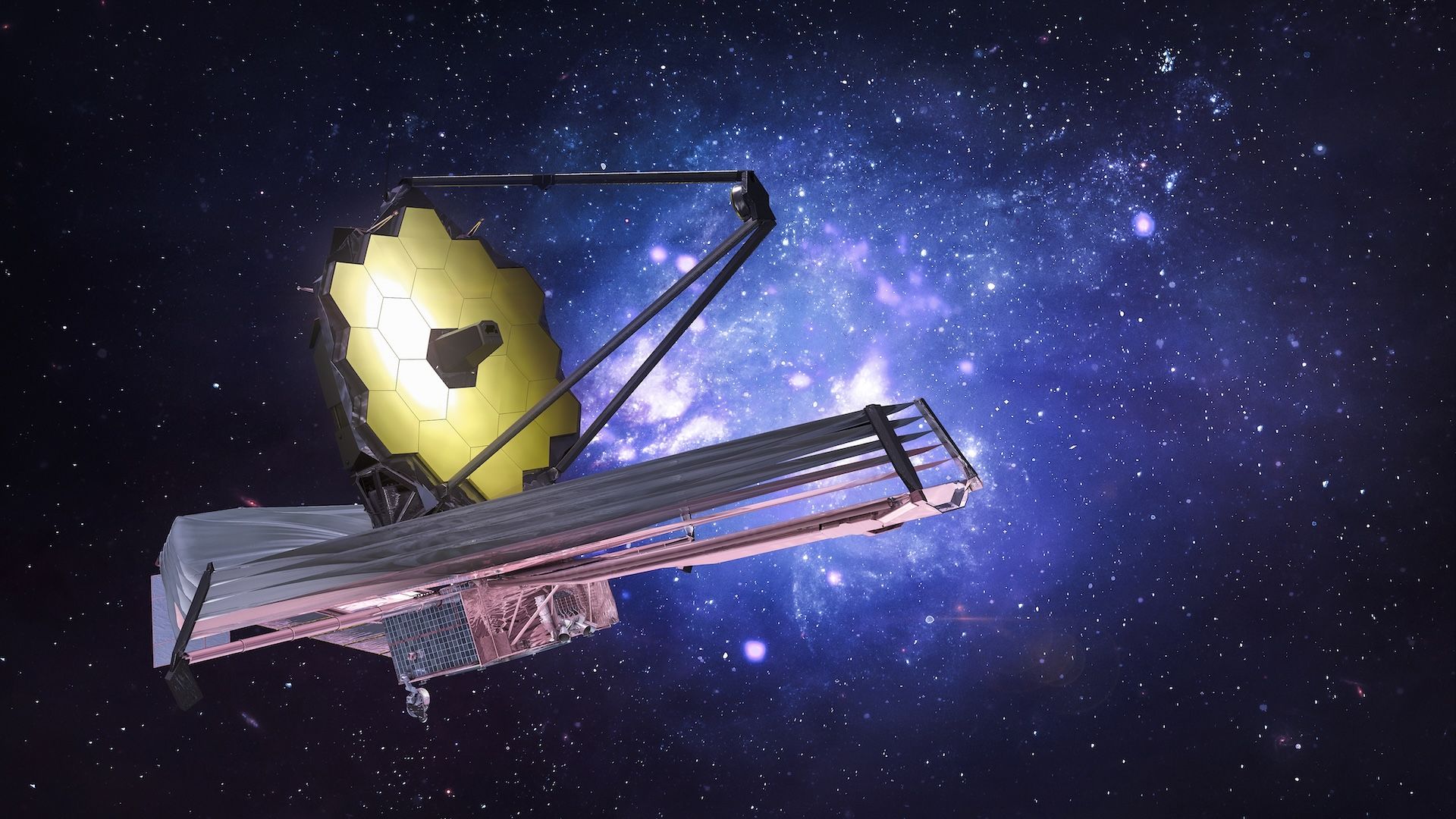
The Universe is Changing Before Our Eyes: How the james Webb Telescope is Rewriting Cosmology
For two years, the james Webb Space Telescope (JWST) has been relentlessly observing the cosmos, and the results are nothing short of revolutionary. It’s not simply refining our understanding of the universe; it’s actively challenging fundamental tenets of cosmology – the very models we use to describe the universe’s origin, evolution, and ultimate fate.
The implications are profound, and scientists are grappling with a surge of data that suggests our current understanding is incomplete. Let’s explore what JWST is revealing and what the future holds for unraveling these cosmic mysteries.
A Crisis in Cosmology: The Hubble Tension and Beyond
One of the most significant puzzles JWST has amplified is the “Hubble tension.” Essentially, different methods of measuring the universe’s expansion rate yield conflicting results.
* Measurements based on the early universe (using the cosmic microwave background) suggest a slower expansion rate.
* Measurements based on nearby objects (like supernovae) indicate a faster rate.
JWST’s precise observations have strengthened the evidence for this discrepancy, forcing cosmologists to reconsider the standard model of the universe. This tension could indicate missing components in our understanding of dark energy, dark matter, or even the fundamental laws of physics.
Unveiling New Worlds and Unexpected Structures
Beyond the Hubble tension, JWST is delivering a cascade of groundbreaking discoveries. Consider these highlights:
* exoplanet Atmospheres: The telescope is analyzing the atmospheres of exoplanets - planets orbiting distant stars – with unprecedented detail. It’s searching for biosignatures, chemical indicators that could suggest the presence of life.
* Radiant,Early Galaxies: JWST is spotting galaxies that are far brighter and more massive than predicted for their age,existing surprisingly early in the universe’s history. These observations challenge our understanding of galaxy formation.
* “Unachievable” Black Holes: the telescope has identified black holes that appear too large to have formed so quickly after the Big bang. This revelation is prompting new theories about the origins of these cosmic behemoths.
These aren’t minor adjustments to existing theories; they are fundamental challenges to our cosmological framework.
What Questions Remain and What’s on the Horizon?
While JWST is pushing the boundaries of our knowledge, some questions, like definitively proving the existence of extraterrestrial life, are beyond its current capabilities within its planned 10-year mission. However, it’s laying the groundwork for future discoveries.
Fortunately, a new generation of telescopes is poised to build upon JWST’s findings. Here’s a look at what’s coming:
* Vera C. Rubin Observatory: Already operational, this observatory will create a 10-year “movie” of the universe, tracking changes over time and revealing transient events.
* Nancy Grace Roman Telescope (launching 2027): This telescope will focus on dark matter and dark energy, attempting to unravel the mysteries of the universe’s accelerating expansion.
* Extremely Large Telescope (operational 2029): With a massive mirror, this ground-based telescope will provide unparalleled resolution for studying distant objects.
* Habitable Worlds Observatory (possibly operational 2030s): Designed specifically to search for signs of life on exoplanets, this telescope represents the next major step in the quest to answer the age-old question: are we alone?
A New Era of Cosmic Understanding
The James Webb Space Telescope isn’t just observing the universe; it’s forcing us to rethink everything we thought we knew. You can expect a period of intense scientific debate and refinement as researchers grapple with these new observations.
This is an incredibly exciting time to be studying the cosmos. As new telescopes come online and data continues to pour in,we are on the cusp of a deeper,more accurate understanding of our place in the universe. The journey of discovery has just begun, and the possibilities are limitless.
Keep reading