Nigeria School Kidnappings: A Deep Dive into a Growing Crisis
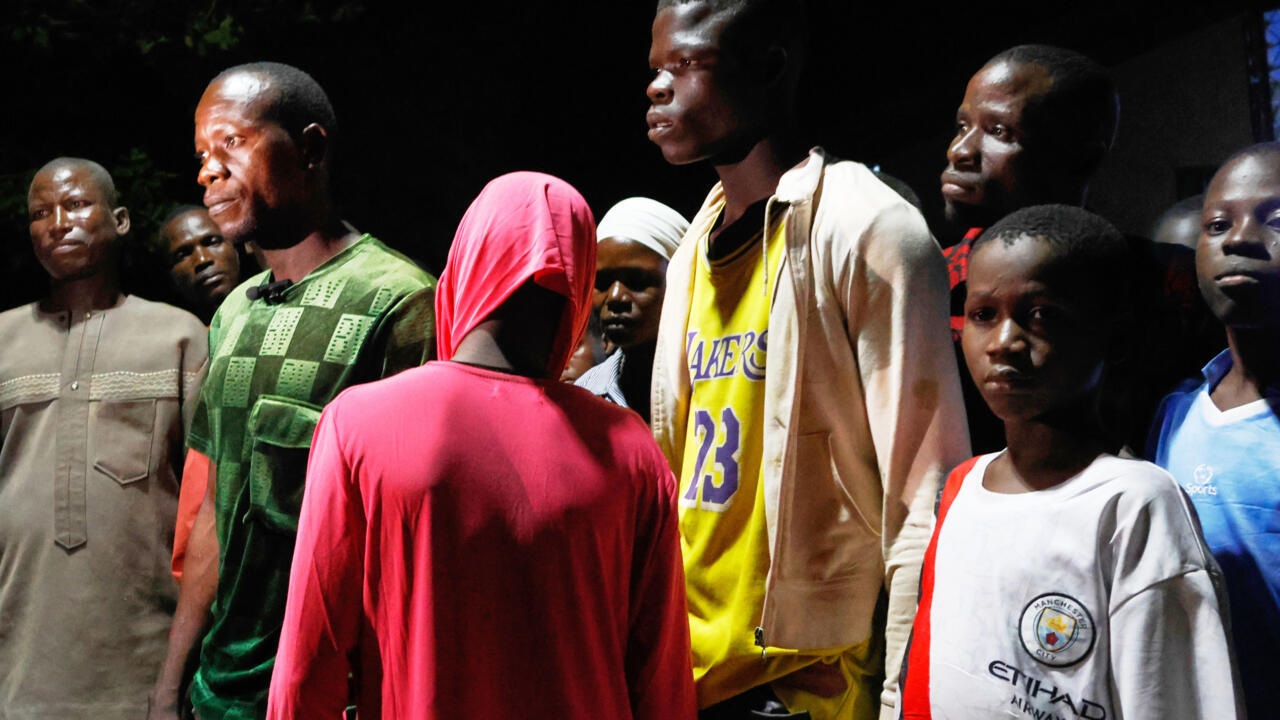
The recent rescue of students and staff from a school in Nigeria’s Niger state offers a moment of relief, but it also underscores a deeply troubling trend: the escalating crisis of mass kidnappings for ransom. For weeks, the fate of those taken from the St. Mary’s school in Papiri remained uncertain, highlighting the complexities and challenges facing Nigeria as it battles widespread insecurity. Let’s break down what happened, why it matters, and what it means for you.
The Timeline of Events – and the confusion
Initially, reports from the Christian Association of Nigeria (CAN) indicated 315 individuals were missing. However, the situation quickly proved more nuanced.
* Around 50 students escaped immediately following the attack.
* The goverment secured the release of approximately 100 more on December 7th.
* Sunday’s announcement of 130 rescues brought the total accounted for, but the numbers remained fluid.
A key factor contributing to the confusion? Many students, living in remote, rural areas – some requiring hours of travel by motorbike to reach their villages – were able to return home independently after the initial attack. This meant initial estimates significantly overstated the number still held captive. As of Monday, the remaining students are expected to be transported to Minna, the niger state capital, for final verification.
The Ransom Reality: What’s Driving This Crisis?
While authorities haven’t publicly disclosed details about securing the release, analysts believe a ransom was likely paid. Though technically illegal, ransom payments have become a disturbingly common practice in nigeria.
Here’s why:
* Profit-Driven Crime: Kidnapping has evolved into a lucrative, organized industry. A recent report by SBM Intelligence estimates that roughly $1.66 million was paid in ransoms between July 2024 and June 2025 alone.
* Weak Security Infrastructure: Vast, rural areas with limited security presence create opportunities for criminal and armed groups.
* Economic Hardship: Poverty and lack of chance can drive individuals to participate in thes criminal activities.
A Spate of Abductions - it’s Not Just Schools
The St. Mary’s kidnapping isn’t an isolated incident. November saw a dramatic surge in mass abductions across nigeria, extending beyond schools.
* 24 Muslim schoolgirls were taken.
* 38 church worshippers were kidnapped.
* A bride and her bridal party were also targeted.
* Farmers,women,and children were also among the hostages.
This widespread targeting demonstrates a broader breakdown in security and a growing boldness among perpetrators. You can see how this impacts the daily lives and safety of communities across the country.
International Scrutiny and Historical Context
These events haven’t gone unnoticed internationally. The United States, under former President Trump, raised concerns about alleged mass killings of Christians, even using the term “genocide” and hinting at potential military intervention. However, both the Nigerian government and autonomous analysts dispute this framing, wich has been a recurring narrative within certain circles in the US and Europe.
It’s crucial to remember this isn’t a new phenomenon. The 2014 kidnapping of nearly 300 girls from chibok by Boko Haram brought the issue of school kidnappings to global attention. Unfortunately, a decade later, the situation has only worsened, becoming a deeply entrenched and profitable criminal enterprise.
What Does This Mean for Nigeria – and the Future?
The escalating kidnapping crisis demands a multifaceted response. Simply paying ransoms isn’t a sustainable solution; it incentivizes further abductions.
Here’s what needs to happen:
* Strengthened Security: Increased security presence in vulnerable areas, especially rural communities.
* Economic Development: Addressing the root causes of crime through economic opportunities and poverty reduction programs.
* Community Engagement: Building trust and collaboration between security forces and local communities.
* International Cooperation: Seeking assistance and expertise from international partners to combat this complex challenge.
The situation in nigeria is a stark reminder of the fragility of security and the devastating impact of organized crime. It requires a concerted effort from the government, communities, and the international community to address the underlying issues and protect it’s citizens.
Worth a look