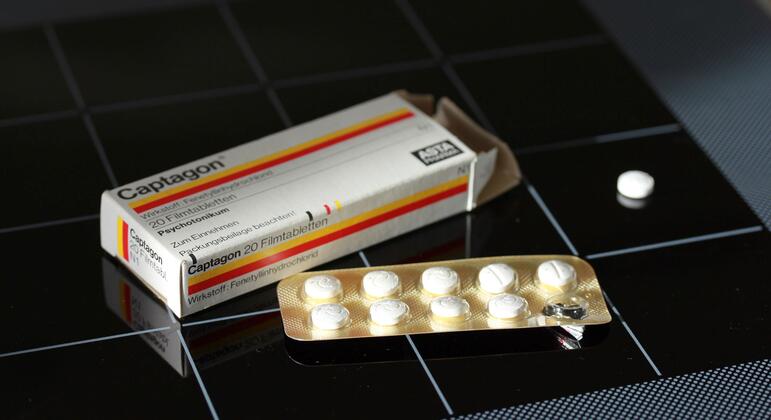
The shifting Sands of Captagon: Disrupting Syria’s $Billon Drug Trade & Emerging Threats
The illicit trade in Captagon, a potent amphetamine stimulant, has long cast a dark shadow across the Middle East and North Africa. For years, Syria has been identified as the primary source – with an estimated 80% of seizures originating ther since 2019, according to the United Nations Office on Drugs and Crime (UNODC). But a meaningful shift is underway. Recent developments suggest a disruption of large-scale Captagon manufacturing within Syria, alongside evolving trafficking methods and the potential for a surge in option synthetic drugs. This article delves into the current state of the Captagon trade, the factors driving change, and the emerging challenges facing regional and international efforts to combat it.
The Rise and Reign of Captagon
Captagon, originally a brand name for selegiline – a medication used to treat Parkinson’s disease – is now almost exclusively associated with an illegally produced amphetamine mixture. Its effects are similar to those of amphetamine and methamphetamine, providing a stimulant high that can suppress appetite, increase alertness, and enhance physical endurance. This makes it notably appealing to combatants in conflict zones, but its use has spread far beyond, becoming a significant public health and security concern.
The Captagon trade flourished in Syria, fueled by the ongoing conflict and political instability. The UNODC estimates that pre-December 2024, daily production in Syria could reach millions of tablets. This massive output generated billions of dollars in revenue, funding illicit activities and exacerbating regional instability. the drug’s popularity stems from its relatively low cost and widespread availability, particularly in Gulf countries and neighboring nations.
A Turning Tide: Disrupting syrian production
However, the landscape is changing.A recent research brief from the UNODC reveals a significant crackdown on Captagon production within Syria. Since December 2024, authorities have dismantled 15 industrial-level laboratories and 13 smaller storage facilities. This represents a ample blow to the drug’s manufacturing capacity.
“While the drug market expanded in recent years it divided the region, but the need for action is now bringing it together,” notes Bo Mathiasen, UNODC Director for Operations. This sentiment highlights a crucial development: increased regional cooperation. countries previously hampered by political divisions are now sharing intelligence and conducting joint operations, leading to record seizure numbers.
Record Seizures & Shifting routes: A Snapshot of Current Efforts
The impact of these efforts is evident in the sheer volume of Captagon intercepted. As of recent data (December 2025), a minimum of 177 million tablets – equivalent to 30 tonnes of Captagon – have been seized across the Arab region. This demonstrates the potential for success when political will and international collaboration align. https://www.unodc.org/documents/data-and-analysis/Research%20Publications/UNODC_NAUSS_ENGLISH.pdf
Despite these successes,traffickers are proving adaptable. The UNODC reports a diversification of routing strategies, employing innovative methods to circumvent customary border controls. These include utilizing balloons and drones to transport drugs across land borders – a testament to the ingenuity and resourcefulness of criminal networks.Moreover, while production within Syria has been disrupted, manufacturing is highly likely continuing elsewhere in the Middle East, albeit on a smaller scale.
The Economic Impact & Regional Implications
The Captagon trade isn’t merely a public health crisis; it’s a significant economic destabilizer. the illicit profits generated fuel corruption, finance terrorism, and undermine legitimate economies. The UNODC estimates the value of the Captagon trade in 2021 alone to be over $3.46 billion. This influx of illicit funds distorts markets, hinders development, and exacerbates existing social and political tensions.
The disruption of the Syrian captagon industry,while positive,presents its own challenges. The loss of revenue for those involved in the trade could lead to increased instability and potentially fuel other forms of criminal activity.
The looming Threat: A Shift Towards Methamphetamine & Other Synthetics
Perhaps the most concerning development is the potential for a shift in drug preferences. The UNODC warns that the disruption of Captagon supply may drive users and traffickers towards methamphetamine and other synthetic drugs. This is a worrying trend, as methamphetamine is generally considered more harmful and addictive than Captagon.
This potential shift underscores the need for a complete approach that goes beyond simply suppressing Captagon production. Effective drug prevention programs, accessible treatment
Keep reading
- Heroic Teen Lifeguard Saves Boy from Violent Santa Cruz Surf: Viral Rescue Story
- Kanye West Settles Sexual Harassment Lawsuit With Former Employee
- Gold Prices React to Fed Rate Decision and Market Volatility (newsdirectory3.com)
- Spy Shots: Ferrari 12Cilindr, BMW i4 Convertible and Range Rover Sport – Specialty Equipment Market (archyde.com)