Earth’s Seasons Aren’t Uniform: New Research Reveals dramatic Local Variations
For centuries, we’ve understood seasons as a predictable consequence of Earth’s tilt and orbit around the sun. But a groundbreaking new study, published August 27th in Nature, reveals a far more nuanced reality: seasonal experiences can vary wildly even within short distances, particularly at the same latitude.This revelation has meaningful implications for understanding biodiversity, evolution, and even how we approach agriculture in a changing climate.
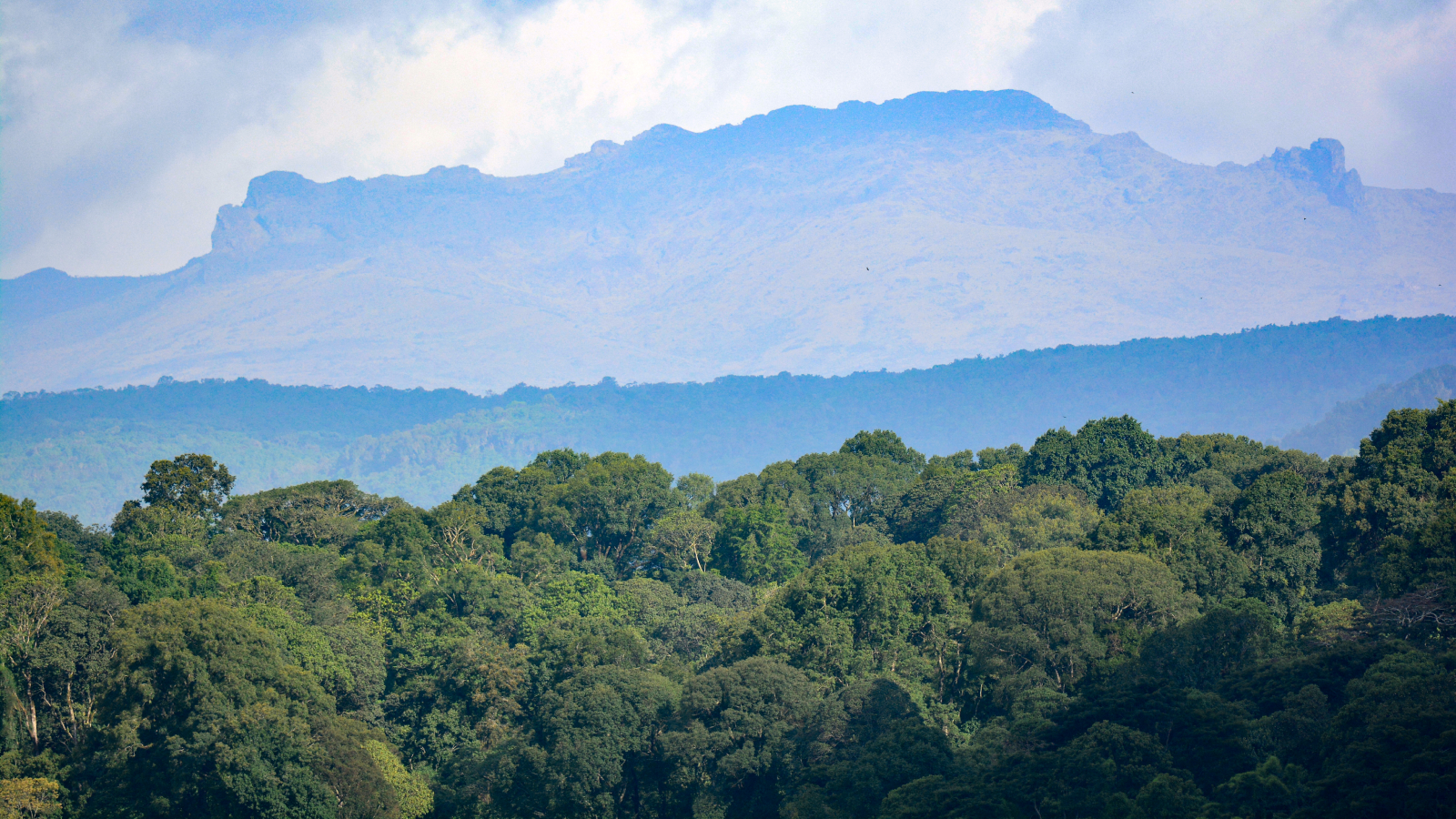
beyond Latitude: the Role of Topography and Water
The research, lead by terasaki Hart and his team, challenges the customary view that temperature is the primary driver of seasonal cycles.While temperature certainly plays a role, the study demonstrates that local factors like elevation and water availability can exert a stronger influence, especially in certain ecosystems.
Specifically, the team found that seasonal asynchrony – differences in seasonal timing across short distances – is common in:
* Mountainous tropical regions: Slopes experience varying sunlight and rainfall patterns.
* Mediterranean climates: These areas are characterized by warm, dry summers and mild, wet winters, creating localized microclimates.
In these environments,plants respond more directly to light and water than to temperature alone,leading to staggered growth and reproductive cycles.
Mapping Seasonal Shifts with Satellite Data
To arrive at these conclusions, researchers analyzed 20 years of satellite data. This data captured how plants reflect infrared light throughout the year, effectively mapping vegetation growth cycles globally.This allowed them to identify areas where seasonal patterns deviated from the expected norms based on latitude.
“Our map predicts stark geographic differences in flowering timing and genetic relatedness across a wide variety of plant and animal species,” explains Terasaki Hart. As an example, he points to Colombia’s coffee farms. Farms separated by just a day’s drive can exhibit reproductive cycles as different as those in opposite hemispheres.
Why This Matters: Biodiversity and Evolution
This discovery offers a compelling explanation for the remarkable biodiversity found in tropical regions. When plants and animals experience different seasonal cues, they begin to diverge.
Here’s how it works:
- Different Timing: Species reproduce at slightly different times.
- Reduced Interbreeding: This limits gene flow between populations.
- Gradual Divergence: Over generations, these populations evolve independently.
- Speciation: Eventually, they may become distinct species.
Essentially,localized seasonal variations create a mosaic of ecological niches,fostering the development of new life forms.
Implications for a Changing World
The implications of this research extend far beyond evolutionary biology. Understanding these localized seasonal variations is crucial for:
* Predicting species responses to climate change: How will plants and animals adapt when seasonal cues become increasingly unpredictable?
* Improving agricultural practices: Optimizing planting and harvesting schedules based on local microclimates.
* Tracking disease outbreaks: Seasonal timing can influence the spread of infectious diseases.
* Furthering evolutionary studies: Providing a new lens through which to examine adaptation in diverse ecosystems,including rivers and oceans.
As Terasaki Hart notes,this new outlook has “interesting implications even further afield,such as in agricultural sciences or epidemiology.” This research isn’t just about understanding the past; it’s about preparing for the future and navigating a world where seasonal patterns are becoming increasingly complex.
Worth a look