Breakthrough in Traumatic Brain Injury Treatment: Novel Peptide CAQK Shows Promise in Preclinical Studies
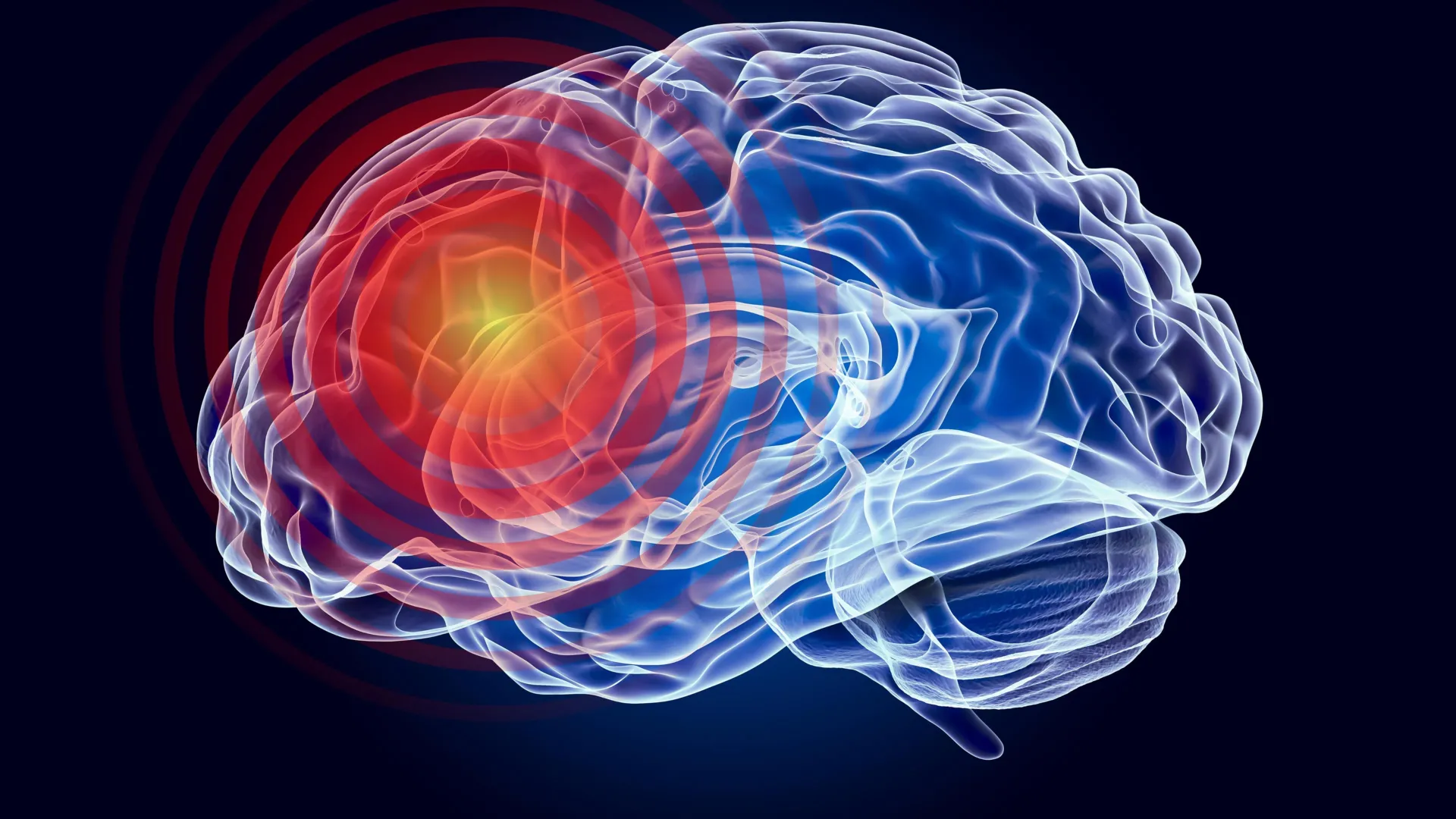
A new peptide, CAQK, is demonstrating significant potential as a non-invasive treatment for traumatic brain injury (TBI), offering a beacon of hope in a field currently lacking effective, targeted therapies. Preclinical research, published in EMBO Molecular Medicine, reveals that CAQK not only localizes to damaged brain tissue but actively reduces inflammation, cell death, and improves functional recovery in animal models.
Traumatic brain injury is a devastating condition affecting an estimated 200 individuals per 100,000 annually, often resulting from accidents, falls, or workplace incidents. Current clinical practice focuses on stabilizing patients – managing intracranial pressure and maintaining blood flow – but crucially, no approved medications exist to directly halt the cascade of damage following the initial injury. This secondary damage, characterized by inflammation and neuronal cell death, is a major contributor to long-term disability. Existing experimental approaches frequently enough require invasive direct injections into the brain, posing significant risks and complications.
A Paradigm Shift: CAQK as a Therapeutic Agent, Not Just a Delivery System
This groundbreaking research, spearheaded by Aivocode (a spin-off from the Sanford Burnham Prebys Institute) in collaboration with IQAC-CSIC and the University of California, Davis, builds upon earlier work published in Nature Communications in 2016. That initial study,led by Dr.Erkki Ruoslahti and researchers Aman P. Mann and Pablo Scodeller, identified CAQK as a peptide capable of specifically targeting injured areas of the brain. Initially, CAQK was envisioned as a “vehicle” for delivering other drugs to the injury site. Though, this new research reveals a far more compelling role: CAQK itself possesses intrinsic therapeutic properties.
“The current interventions for treating acute brain injury aim to stabilize the patient, but there are no approved drugs to stop the damage and secondary effects of these injuries,” explains Dr. Pablo Scodeller, researcher at IQAC-CSIC and co-author of the study. “CAQK represents a fundamentally diffrent approach – one that actively intervenes in the pathological processes driving brain damage.”
How CAQK Works: Targeting the Injury microenvironment
The research team administered CAQK intravenously to mice and pigs (whose brain structure more closely resembles that of humans) shortly after inducing a moderate to severe TBI. Remarkably, CAQK consistently accumulated in the injured brain tissue. Further investigation revealed why this targeted localization occurs: CAQK binds to glycoproteins - proteins with attached sugars – which are significantly upregulated in the extracellular matrix following brain injury. This matrix provides structural support to brain cells, and its alteration post-injury signals a need for repair.
Significant Preclinical Results: Reduced damage & Improved Function
The results were compelling. Mice treated with CAQK exhibited:
* Reduced lesion size: The area of damaged brain tissue was significantly smaller compared to control groups.
* Decreased cell death: CAQK demonstrably protected neurons from dying in the injured region.
* Lowered inflammation: Expression of inflammatory markers was reduced, indicating a dampening of the neuroinflammatory response.
* Improved functional recovery: Behavioral and memory tests showed significant improvements in cognitive and motor function.
* No observed toxicity: Crucially, CAQK demonstrated a favorable safety profile in the animal models.
Dr. Mann, the study’s first author, emphasizes the significance of these findings: “We observed less cell death and lower expression of inflammatory markers in the injured area, indicating that CAQK alleviated neuroinflammation and its secondary effects.Behavioral and memory tests conducted after treatment also showed improvement in functional deficits, with no evident toxicity.”
A promising Drug Candidate: Scalability and Safety
The potential of CAQK extends beyond its efficacy. Its small size - being a short peptide – offers several advantages:
* Ease of Manufacturing: Peptides are relatively straightforward and cost-effective to synthesize at scale.
* Tissue Penetration: CAQK’s small size allows it to effectively penetrate brain tissue,maximizing its therapeutic reach.
* Low Immunogenicity: Peptides are generally less likely to trigger an immune response, minimizing potential side effects.
“What’s exciting is that, in addition to proving highly effective, it’s a very simple compound – a short peptide that is easy to synthesize safely at large scale. Peptides with these characteristics show good tissue penetration and are non-immunogenic,” concludes Dr. Scodeller.
Looking Ahead: Human Clinical Trials on the Horizon
Aivocode, founded by the study’s lead researchers, is actively preparing to submit an Investigational New Drug (IND) application to the U.S. Food and Drug Administration (FDA)
Worth a look