Restoring Brain Blood Flow: A Novel Approach to Preventing and Treating Dementia
Dementia, a devastating condition affecting over 50 million people globally, is increasingly recognized as a complex interplay of factors beyond protein buildup and neural signaling. emerging research points to a critical, often overlooked component: cerebral blood flow. now, a groundbreaking study from the University of Vermont’s Robert Larner, M.D. College of Medicine is shedding light on how restoring healthy blood circulation in the brain could offer a new therapeutic avenue for dementia and related neurovascular diseases. Published December 22nd in Proceedings of the National Academy of Sciences, this preclinical research identifies a key molecule - PIP2 – that regulates a crucial brain blood flow control mechanism, potentially reversing vascular problems and easing dementia symptoms.
The Critical link Between blood Flow and Cognitive Health
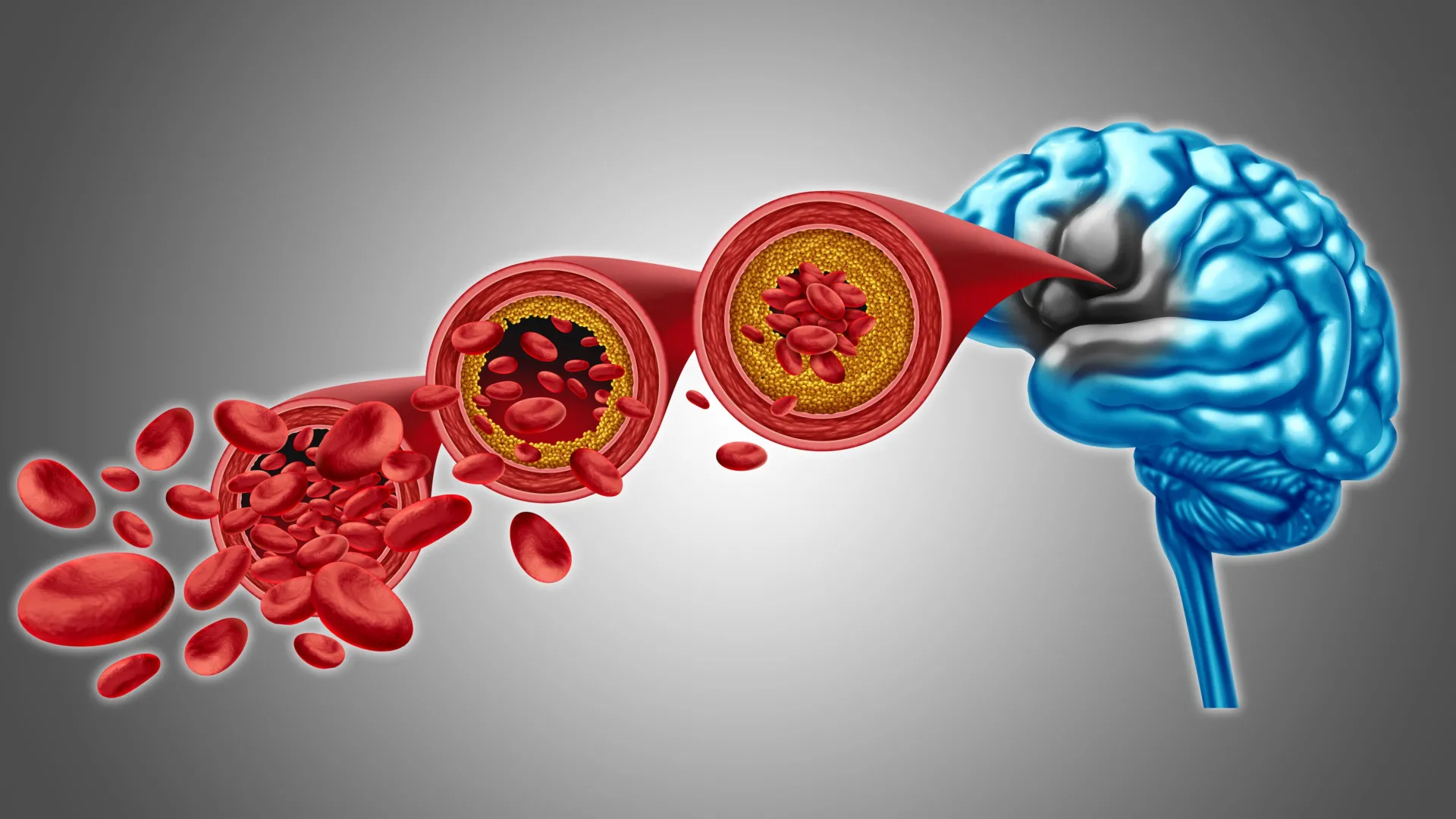
For years, the focus in dementia research has centered on amyloid plaques, tau tangles, and neuronal loss. While these factors are undoubtedly important, a growing body of evidence underscores the vital role of vascular health in maintaining cognitive function. The brain is a highly metabolically active organ, demanding a constant and robust supply of oxygen and nutrients delivered via a complex network of blood vessels. Reduced cerebral blood flow deprives neurons of these essential resources, accelerating cognitive decline and contributing to the development of dementia.
“This finding is a huge step forward in our efforts to prevent dementia and neurovascular diseases,” explains Dr.Osama Harraz, Ph.D., assistant professor of pharmacology at Larner College of Medicine and principal investigator of the study. “We are uncovering the complex mechanisms of these devastating conditions, and now we can begin to think about how to translate this biology into therapies.”
Piezo1: The Brain’s Blood Flow Sensor
Dr. Harraz’s lab has been at the forefront of investigating how cerebral blood flow is regulated. Their research focuses on Piezo1, a protein residing in the membranes of cells lining blood vessels. Piezo1 acts as a mechanosensor, responding to the physical forces generated by blood pulsing through the brain’s vascular network. This sensitivity allows it to dynamically adjust blood flow based on the brain’s needs.
Previous studies revealed that variations in the Piezo1 gene can impact its function, suggesting a genetic component to cerebrovascular health. However, the precise mechanisms controlling Piezo1 activity remained elusive – until now.
PIP2: The Missing Piece of the puzzle
The new study, titled “PIP2 Corrects an Endothelial Piezo1 Channelopathy,” reveals that PIP2, a phospholipid found in brain cell membranes, plays a critical role in keeping Piezo1 in check. PIP2 acts as a natural suppressor, preventing Piezo1 from becoming overly active.
Researchers discovered that in conditions like Alzheimer’s disease, PIP2 levels decline.This reduction disinhibits Piezo1, leading to hyperactivity and disruption of normal cerebral blood flow. Crucially, when the team reintroduced PIP2 into the system, Piezo1 activity normalized, and healthy blood circulation was restored.
This finding is significant because it identifies a potential therapeutic target: boosting PIP2 levels to restore vascular control and improve brain function. PIP2 is essential for cell signaling and regulating ion channels – the protein pores that control the flow of ions across cell membranes. By modulating these channels, PIP2 effectively fine-tunes Piezo1’s sensitivity to blood flow changes.
Implications for Future Dementia Treatments
While these findings are preclinical, they offer a promising new direction for dementia research and treatment development. The next phase of research will focus on:
* Understanding the PIP2-Piezo1 Interaction: Determining whether PIP2 directly binds to Piezo1 or influences its activity through changes in the surrounding cell membrane.
* Investigating Disease-Related PIP2 Decline: Uncovering the mechanisms responsible for the reduction in PIP2 levels in dementia and other vascular disorders.
* Developing Therapeutic Strategies: Exploring methods to restore PIP2 levels or directly target Piezo1 to improve neurovascular health.
This research doesn’t suggest a single cure for dementia. Instead, it highlights the importance of a multifaceted approach that addresses vascular health alongside other contributing factors. By restoring healthy blood flow to the brain, we may be able to slow the progression of dementia, alleviate symptoms, and ultimately improve the quality of life for millions affected by this devastating condition.
Disclaimer: This article provides facts for educational purposes only and should not be considered medical advice. Consult with a qualified healthcare professional for any health concerns or before making any decisions related to yoru health or treatment.
Keep reading