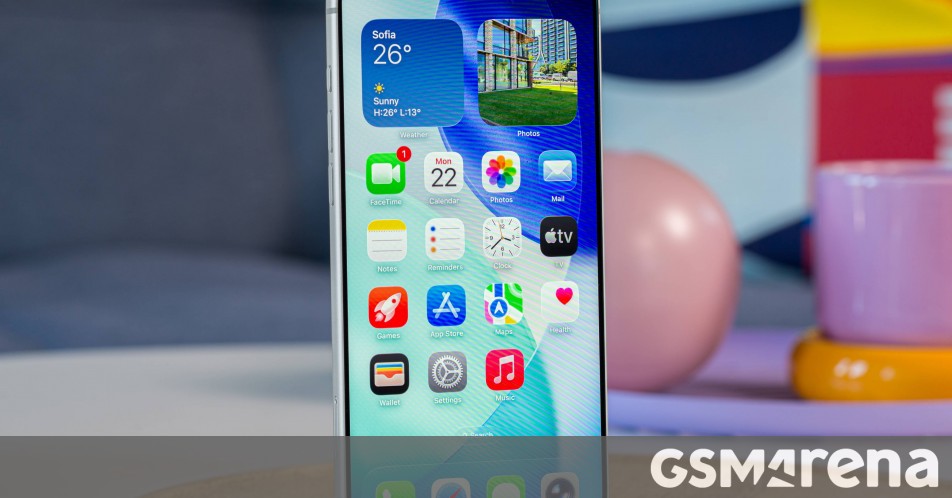
Apple’s Expanding App Store ecosystem: A Global Shift Towards Openness
The tech landscape is undergoing a significant transformation, and at the heart of it lies the evolving control over app distribution. For years, Apple’s App Store operated as a tightly controlled “walled garden,” dictating how developers reached users and how transactions occurred. However, mounting regulatory pressure, spearheaded by the European Union and now extending to countries like Brazil, is forcing Apple to open up its iOS ecosystem. This shift isn’t merely about compliance; it represents a fundamental change in the power dynamics between tech giants and the markets they serve. As of December 25, 2025, the implications of this change are rippling across the globe, impacting developers, consumers, and the future of mobile app distribution.
The Brazilian Breakthrough: A Landmark Agreement
In a recent advancement, Apple has reached an agreement with Brazil’s Administrative Council for Economic Defense (CADE) to allow iPhone users to download and purchase apps and digital services outside of the App Store. This decision follows a lengthy inquiry initiated in December 2022, highlighting the growing global scrutiny of Apple’s App Store policies.
The agreement,binding for three years,mandates that Apple permit developers to process payments outside of the App store’s system and allows for the emergence of third-party app stores on iOS devices within Brazil. Apple has 105 days to implement these changes, a timeline that signals a serious commitment to addressing CADE’s concerns. This isn’t simply a concession; it’s a strategic response to a global trend.
Why is Apple Opening Up? The Regulatory Tide is Turning
The Brazilian case is part of a larger pattern. The EU’s Digital Markets act (DMA), which came into effect in May 2024, was the first major force to compel Apple to make significant changes to its App Store practices. The DMA designates Apple as a “gatekeeper,” requiring it to allow sideloading of apps (installing apps from sources other than the App Store) and interoperability with competing services.
| Region | Key Regulation | Impact on Apple |
|---|---|---|
| European Union | Digital Markets Act (DMA) | Mandatory sideloading, interoperability, app store choice. |
| Brazil | CADE Agreement | Allows third-party app stores and choice payment systems. |
| South Korea | In-App Purchase Law | Developers can use their own payment systems. |
The success of the EU’s approach has demonstrably influenced other countries. Brazil, observing the EU’s experience, recognized the potential benefits of fostering competition and consumer choice. This isn’t just about breaking up monopolies; it’s about creating a more dynamic and innovative app ecosystem. A recent report by Sensor Tower (November 2025) estimates that opening up app distribution could increase developer revenue by 5-10% globally, as it reduces reliance on Apple’s commission structure.
Implications for Developers and Consumers
The shift towards a more open iOS ecosystem has profound implications for both developers and consumers.
* for Developers: The ability to bypass the App Store’s commission fees (typically 30%, reduced to 15% for smaller developers) is a game-changer. This allows developers to retain a larger portion of their revenue, potentially reinvesting in innovation and offering lower prices to consumers. Alternative app stores also provide new avenues for discovery and marketing, reducing reliance on Apple’s App Store search algorithms. However, developers will also need to shoulder more responsibility for security and customer support.
* For Consumers: Increased competition should lead to lower app prices, more innovative features, and a wider selection of apps. Sideload
Related reading