The Emerging Reality of the iPhone Fold: A Deep Dive into Apple‘s Foldable Future
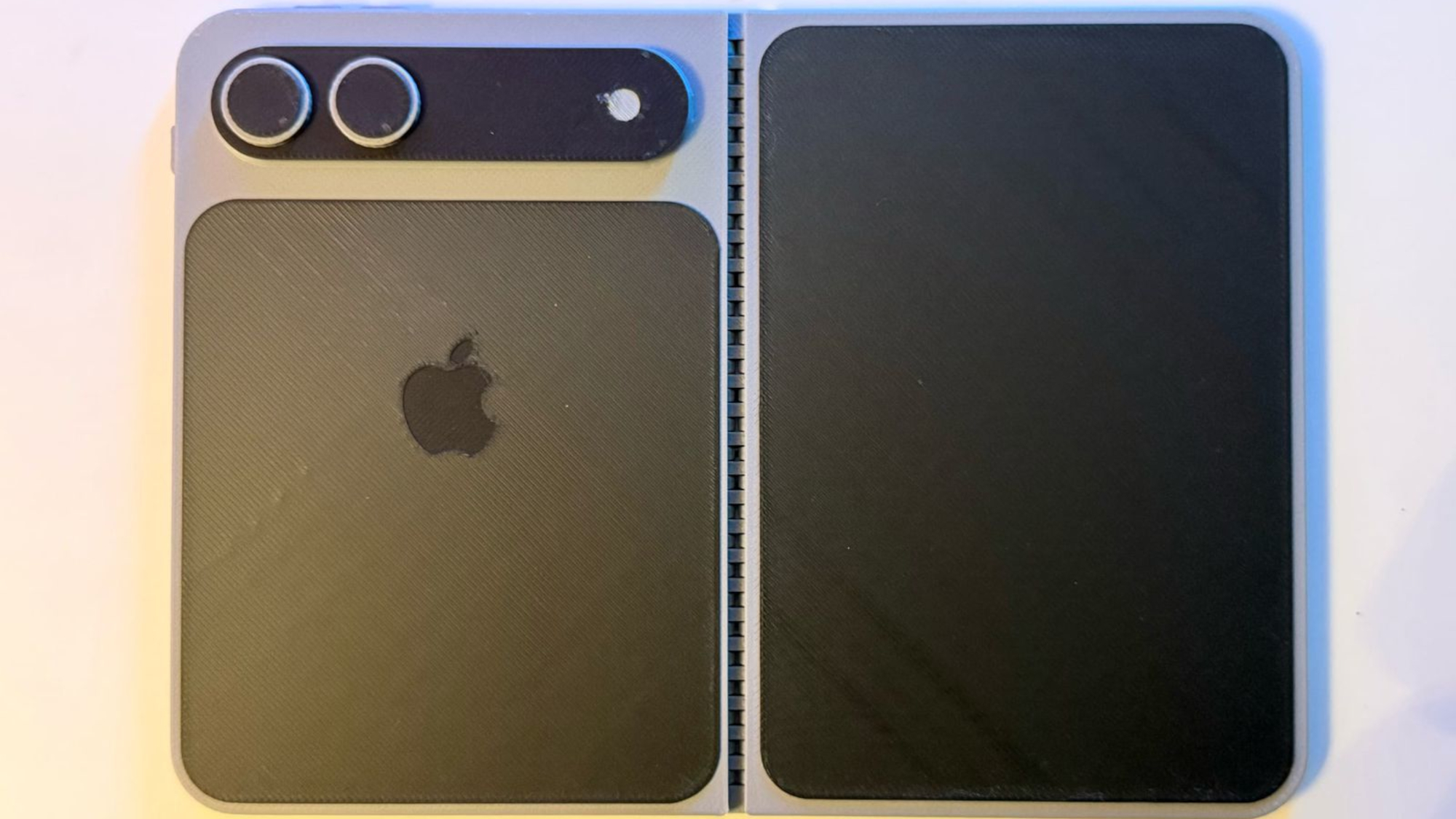
The technology landscape is perpetually shaped by anticipation, notably within Silicon Valley, where speculation frequently outpaces actual product launches. However, on December 25th, 2025, a significant advancement materialized: designer Subsy shared a fully functional, 3D-printable mockup of the rumored Apple iPhone Fold on MakerWorld. This meticulously crafted, life-size replica offers a compelling glimpse into what many believe will be Apple’s inaugural entry into the foldable smartphone market. This isn’t merely a conceptual rendering; it’s a tangible representation of years of industry whispers and patent filings, sparking renewed excitement about the potential of a foldable iPhone.
Decoding the Design: What the Mockup reveals
Subsy’s mockup isn’t based on leaked official schematics – those remain closely guarded secrets within Apple’s Cupertino headquarters. Rather, it’s a synthesis of extensive research, including analysis of Apple’s patents, supply chain reports, and informed speculation based on the company’s design language. The model suggests a design that diverges from the book-like fold of Samsung’s Galaxy Z Fold series.Rather, it appears to favor a more clamshell approach, reminiscent of the Motorola Razr or Samsung’s Galaxy Z Flip, but wiht a larger, more expansive internal display.
The mockup highlights several key features. A prominent aspect is the nearly bezel-less design, a hallmark of Apple’s aesthetic.The external display, while smaller, is functional and intended for quick interactions. The hinge mechanism, a critical component of any foldable device, is depicted as robust and designed for durability – a concern that has plagued early foldable models from other manufacturers.Furthermore, the placement of the camera array and the inclusion of the Dynamic Island, first introduced on the iPhone 14 Pro, suggest Apple’s commitment to maintaining design consistency across its product line.

Image: 3D-printable iPhone Fold mockup created by Subsy and shared on MakerWorld.
The Competitive Landscape and Apple’s Strategic Position
The foldable smartphone market,while still nascent,is becoming increasingly competitive. Samsung currently dominates the sector with its Z Fold and Z Flip lines, consistently refining their designs and addressing early concerns about durability. Other players, such as google with the Pixel Fold and Motorola, are also vying for market share.
Apple’s entry into this arena is anticipated to be a game-changer. The company’s established brand loyalty, extensive ecosystem, and proven track record of innovation give it a significant advantage. However, Apple faces unique challenges. Maintaining the premium build quality and seamless user experience that consumers expect is paramount. The cost of foldable displays and the complexity of the hinge mechanism also present significant hurdles.
“Apple is meticulously evaluating the foldable market, prioritizing a design that offers a truly differentiated user experience and addresses the durability concerns that have hindered wider adoption.”
Recent analysis from TrendForce (December 2025) indicates that Apple is actively sourcing ultra-thin glass (UTG) for foldable displays,suggesting that development is well underway. The UTG is crucial for creating a flexible yet durable screen that can withstand repeated folding and unfolding.
Beyond the Hype: Real-World Applications and User Experience
The potential applications of a foldable iPhone extend far beyond simply having a larger screen. Imagine a device that seamlessly transitions from a compact smartphone to a mini-tablet for immersive video consumption, detailed document editing, or enhanced gaming experiences.
Consider a professional photographer using the device to review and edit photos on a larger,more detailed display while
Worth a look