Protecting NSW Sea Turtle Nests: A Guide for Coastal Communities
Sea turtles are a magnificent, yet vulnerable, species facing increasing threats along the New South Wales coastline. Their survival depends on dedicated conservation efforts and, crucially, the awareness and participation of coastal communities like yours. This guide provides essential facts on how you can help protect these amazing creatures during nesting season.
Understanding the Challenge
Recently,ex-tropical cyclone Alfred significantly reshaped portions of the northern NSW coastline.This resulted in the loss of crucial, gently sloping sandy shores that turtles require for nesting. Dunes were eroded, creating steep drop-offs that nesting females simply cannot navigate. Consequently, suitable nesting habitat has been dramatically reduced.
Recognizing Turtle Activity
knowing what to look for is the first step in protecting sea turtle nests. Here’s what you need to know:
* timing is key: Sea turtles generally nest at night, from dusk until dawn.
* Look for tracks: Walk your local beach early in the morning, focusing on the high tide line. Turtle tracks are typically 80 to 100cm wide and can sometimes be mistaken for tire tracks.
* Identify low-lying nests: Be observant for nests that appear particularly vulnerable to tides or erosion.
What to Do When You Find a Nest
Prompt reporting is vital. If you discover turtle tracks or a potential nest, immediately contact TurtleWatch. Trained and licensed staff will assess the situation and take appropriate action.
Last season saw a record 18 accomplished sea turtle hatchings, demonstrating the positive impact of collaborative conservation. In February, proactive efforts by the turtle team and National Parks and Wildlife Service led to the rescue of over 1,000 eggs from nine nests ahead of the cyclone. These eggs were carefully incubated and, after hatching, 1,020 hatchlings were released back to their original nest sites.
How You can Get Involved
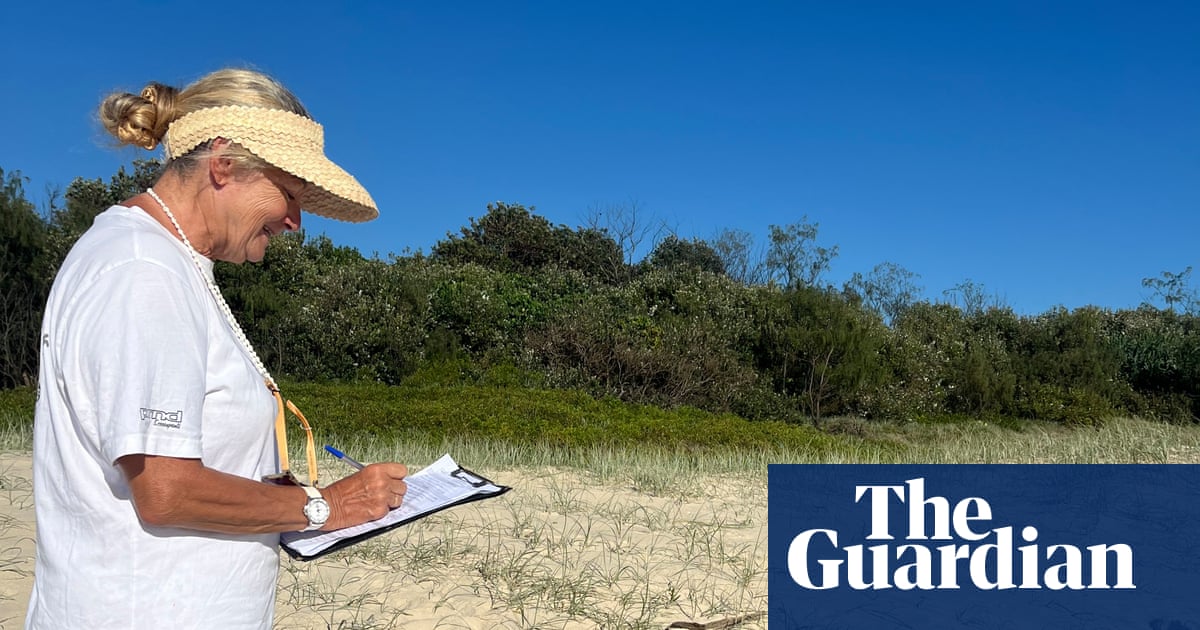
TurtleWatch relies on the dedication of volunteers to monitor nesting sites throughout the NSW coastline. The nesting season runs from November to March, and your help is invaluable.
Here’s how you can contribute:
* Volunteer your time: Assist with beach patrols and nest monitoring.
* Spread awareness: Educate your friends, family, and neighbors about sea turtle conservation.
* Report sightings: Immediately report any turtle tracks, low-lying nests, or signs of nesting activity.
* Respect nesting sites: Avoid disturbing potential nesting areas and keep beaches clean.
Protecting sea turtle eggs gives them the best possible chance to successfully hatch and continue their life cycle.By working together, we can ensure these ancient mariners thrive for generations to come. Your vigilance and swift action can make all the difference.