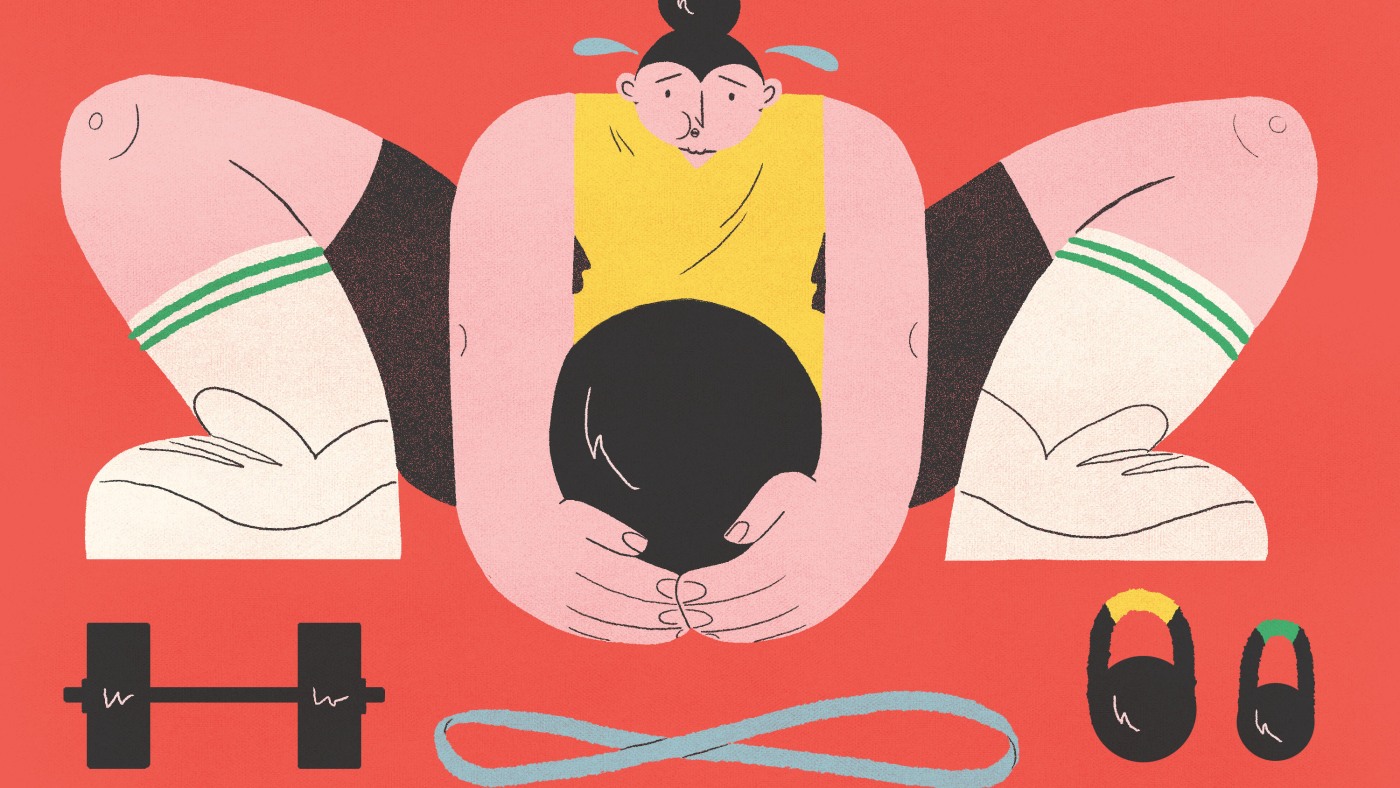
Unlock Your potential: A Beginner’s Guide to Strength Training
Are you ready to feel stronger, healthier, and more capable? strength training, often called resistance training, isn’t just about building muscles – it’s a cornerstone of overall well-being. This guide will equip you with the knowledge to confidently begin your strength training journey, debunk common myths, and understand how to achieve lasting results.
Why Strength Training Matters: The Health Benefits
Challenging your muscles offers remarkable benefits that extend far beyond aesthetics. Research consistently demonstrates the profound impact of strength training on your physical and mental health.
Here’s what you stand to gain:
* Increased Longevity: Muscle mass naturally declines with age, typically starting in your 30s and 40s. Strength training actively combats this loss, powerfully predicting both how long and how well you live.It’s truly never too late to begin reaping these rewards.
* Boosted Metabolism: Adding muscle mass significantly increases your lean body mass. This translates to burning more energy, even at rest, aiding in fat loss and improved blood sugar control. Noticeable metabolic changes can occur within months.
* enhanced Mental Well-being: Strength training is a potent tool for managing anxiety and depression. Studies show it can lead to meaningful improvements in mood and symptoms, even with low-intensity programs and lighter weights.
Getting Started: Expert Advice for Beginners
Embarking on a new fitness routine can feel daunting, but it doesn’t have to be. Here’s how to set yourself up for success:
* Start Slowly: Begin with bodyweight exercises or very light weights. Focus on mastering proper form before increasing the challenge.
* Prioritize Form: Correct form is paramount to prevent injuries and maximize effectiveness.Consider working with a qualified trainer, especially when starting.
* Listen to Your Body: Rest and recovery are just as important as the workouts themselves. Don’t push through pain; allow your muscles time to rebuild.
* Warm-up and Cool-down: Prepare your muscles for activity with a dynamic warm-up and aid recovery with a static cool-down.
* Consistency is Key: Aim for at least two strength training sessions per week. regularity is more important than intensity, especially in the beginning.
Strength Exercises You Can Do
You don’t need a fully equipped gym to build strength. Manny effective exercises can be performed at home with minimal equipment.
At the Gym:
* Squats: A foundational exercise for lower body strength.
* Bench Press: Works your chest, shoulders, and triceps.
* Deadlifts: A full-body exercise that builds strength and power.(Requires proper form instruction).
* Overhead Press: Targets your shoulders and upper back.
* Rows: Strengthens your back and biceps.
At Home (Bodyweight or with Dumbbells):
* Push-ups: A classic exercise for chest, shoulders, and triceps.
* Lunges: Works your legs and glutes.
* Plank: Strengthens your core.
* Dumbbell Rows: targets your back and biceps.
* Glute Bridges: Isolates and strengthens your glutes.
Remember to start with 2-3 sets of 8-12 repetitions for each exercise.
Debunking Common Assumptions
Several misconceptions can hold you back from embracing strength training. Let’s address them:
* “I’ll get bulky.” This is a common concern, especially for women. Building significant muscle mass requires dedicated effort, a specific diet, and often, genetic predisposition. Most people will experience increased tone and definition, not bulk.
* “I need expensive equipment.” As mentioned above, many effective exercises require no equipment at all. Dumbbells are a versatile and affordable addition when you’re ready.
* “It’s only for young people.” Strength training is beneficial at any age. It helps maintain muscle mass, bone density, and functional strength as you age.
* **”I’m not strong enough
Worth a look