Navigating Spain’s Political Polarization: A Call for Democratic Resilience
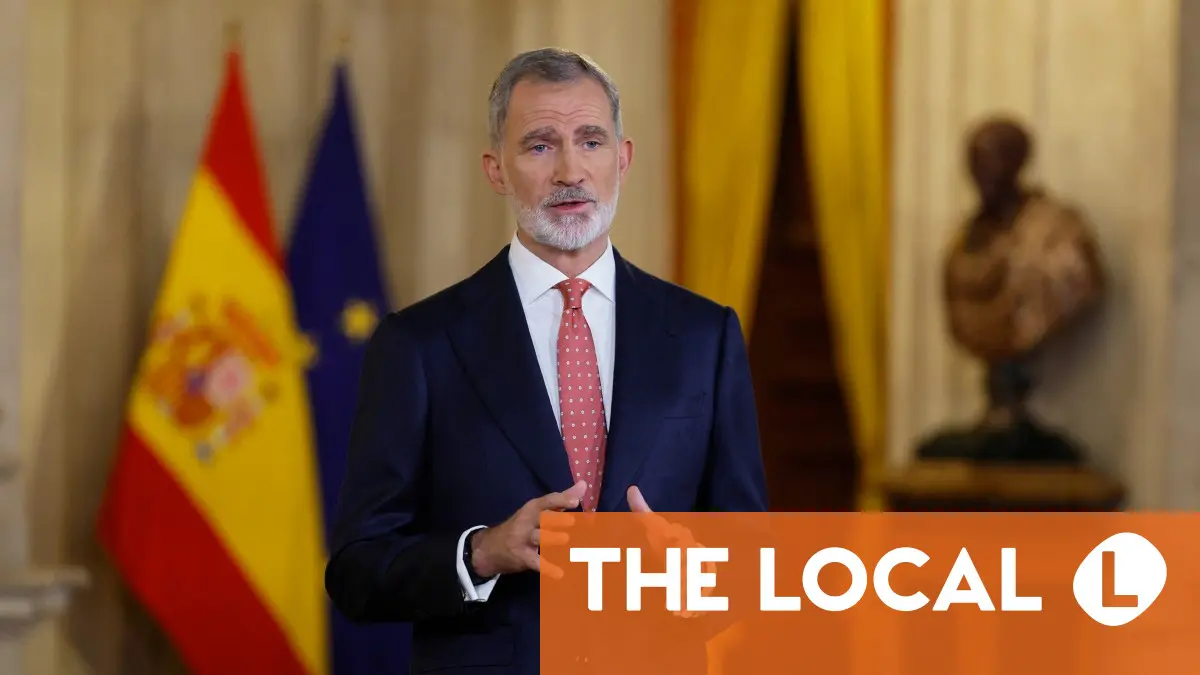
Spain finds itself at a critical juncture. Recent years have witnessed a surge in political division, fueled by corruption allegations, social unrest, and the rise of extremist ideologies. King Felipe VI‘s recent Christmas message wasn’t simply a festive address; it was a stark warning about the fragility of democracy in Spain and a plea for national unity.This article delves into the complexities of this political polarization, examining its causes, consequences, and potential pathways toward a more stable future.
The current climate is marked by intense scrutiny of Prime Minister Pedro Sánchez‘s Socialist-led coalition government. Scandals involving corruption and sexual harassment have eroded public trust, providing ammunition for a relentless conservative opposition demanding snap elections. But is this simply political maneuvering,or does it reflect a deeper societal fracture?
The Roots of Division: A Ancient Context
To understand the present,we must acknowledge the past. 2024 marked the 50th anniversary of the death of General Francisco Franco, whose 36-year dictatorship left deep scars on Spanish society.The transition to democracy was complex and, for some, incomplete. Lingering resentments,regional tensions (particularly in Catalonia and the basque Country),and economic inequalities continue to contribute to the current climate of distrust.
Recent research from the Pew research Center (November 2023) indicates a growing disillusionment with democratic institutions across Europe, with Spain showing a particularly pronounced decline in trust among younger generations. This trend is exacerbated by the spread of disinformation and the echo chambers created by social media.
The Rise of Extremism and Populism
King Felipe VI directly addressed the dangers of “extremism, radicalism and populism,” warning that they thrive on public disillusionment. These ideologies often exploit existing grievances, offering simplistic solutions to complex problems. the rise of far-right parties, like Vox, demonstrates this trend.
These parties capitalize on anxieties surrounding immigration, economic insecurity, and national identity. They frequently employ divisive rhetoric, further polarizing the political landscape. This isn’t unique to Spain; we’re seeing similar patterns across europe and the Americas. Understanding political ideologies is crucial to navigating this complex terrain.
The King’s Call for Dialogue and exemplary Conduct
Felipe VI’s message centered on the need for “dialogue” and “exemplary conduct” from all public officials. He emphasized that democratic coexistence isn’t a given; it requires constant effort and a commitment to respecting opposing viewpoints. this call for moderation is particularly relevant in a political environment characterized by increasingly opposed rhetoric.
The monarch’s role in spain is largely symbolic, but his words carry significant weight. He is seen as a unifying figure, above the fray of partisan politics. His appeal for national unity is a reminder that political stability depends on a shared commitment to democratic principles.
Practical Steps Towards De-polarization
So, what can be done to address this growing political divide? Here are some actionable steps:
* Promote Media Literacy: Equip citizens with the skills to critically evaluate information and identify fake news. Resources like the International Fact-Checking Network (https://www.poynter.org/ifcn/) can be invaluable.
* strengthen Democratic Institutions: Enhance transparency and accountability in government, and address systemic corruption.
* Foster Inclusive Dialogue: Create platforms for constructive conversations between people with different political views.
* Address Economic Inequality: Implement policies that promote economic opportunity and reduce disparities.
* support Independent Journalism: Invest in quality journalism that provides accurate and unbiased reporting.
Evergreen Insights: the Enduring Value of Democratic Principles
The challenges facing Spain are not unique. Throughout history, democracies have faced periods of intense division and upheaval. The key to overcoming these challenges lies in reaffirming
- UK Supreme Court Rejects Bahrain’s State Immunity in FinSpy Spyware Case
- Argentines Joining Russia Conflict Without Official Registration
- Ancient Human Relative Homo antecessor Practiced Adult Cannibalism in Spain (world-today-news.com)
- Spain Solar Eclipse Alters Temperature, Wind, and Cloud Cover (archyworldys.com)