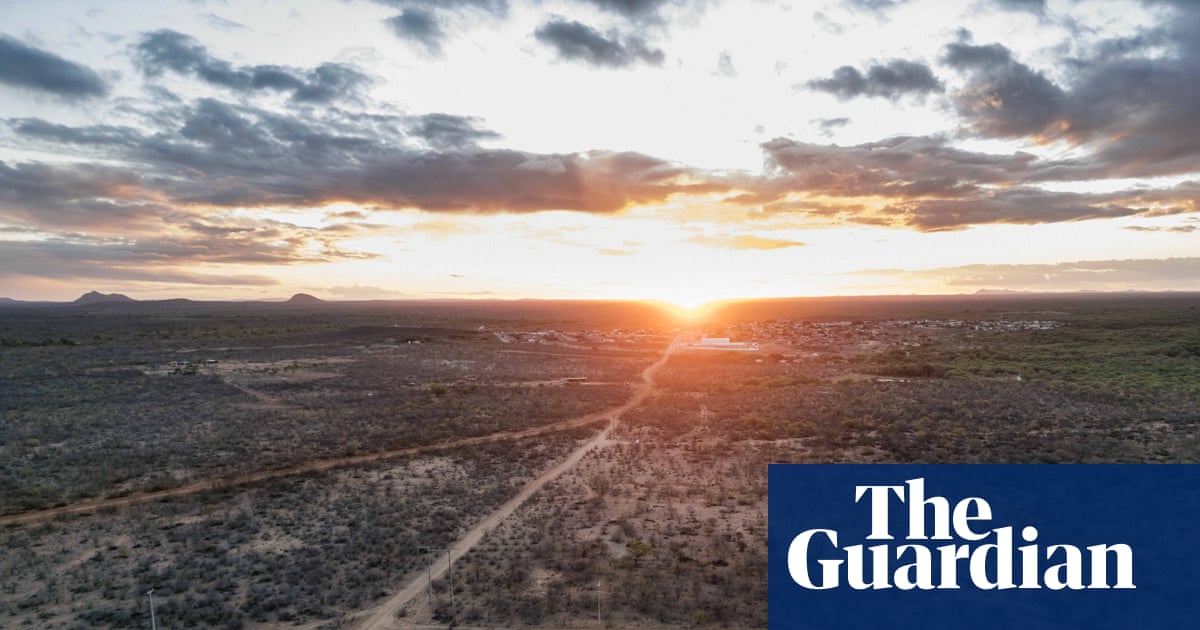
The Silent Crisis in Brazil’s caatinga: A Fight for Water and a Future
The Amazon often dominates headlines when discussing brazil’s environmental challenges, but a different, equally critical biome is facing a silent crisis: the Caatinga. This semi-arid region, often called the “green desert” due to its unique, drought-resistant vegetation, is grappling with increasingly severe water scarcity, threatening the livelihoods and way of life for communities like Macururé.
For residents of Macururé, located in Bahia state, the struggle for water is a daily reality. Years of drought, coupled with land use changes, have pushed this community to the brink. You might be wondering how a place can be called a “green desert,” but the Caatinga is a testament to nature’s resilience, boasting plants adapted to survive with minimal rainfall.However, even these hardy species are struggling.
The Roots of the Problem
Several factors contribute to the water crisis in Macururé and surrounding areas:
* Climate Change: Prolonged droughts are becoming more frequent and intense, exacerbating existing water stress.
* Eucalyptus Plantations: Large-scale eucalyptus plantations, primarily for wood pulp production, consume vast amounts of water, lowering the water table and impacting local access.
* Limited Infrastructure: Public policies and infrastructure growth are slow to reach remote areas like Macururé, leaving communities vulnerable.
Local leaders, like those gathered in Macururé’s town hall, are actively seeking solutions. they’ve explored options like desalination, but the cost and potential environmental impact make it an unviable solution for many. Currently,many rely on water trucks,but even increased frequency isn’t a long-term fix.
Searching for Enduring Solutions
The future of Macururé hinges on finding sustainable alternatives. Developing new income streams and employment opportunities is crucial, but not all industries offer a positive path forward.
Here’s a look at some potential avenues, and their challenges:
* Mining: Offers limited benefits to local communities and can cause environmental damage.
* Renewable Energy (Wind Farms): while seemingly green, large-scale wind energy projects can disrupt ecosystems and displace communities.
* Ecotourism: A promising option, but requires important investment and careful planning to ensure it benefits local residents.
* Carbon Credits: Preserving the Caatinga’s unique ecosystem could generate income through carbon credits, but this market is still developing.
These solutions require careful consideration and community involvement to ensure they are truly sustainable and equitable. It’s about finding ways to thrive with the environment, not at its expense.
A Deep Connection to the Land
For many in Macururé, their identity is inextricably linked to the land and their livestock. Venancio Lorenzo do Santo, a 53-year-old resident, embodies this connection.He states plainly that his life revolves around his goats – there are 30 goats for every person in the town.
“The day I stop breeding goats, I know I’m going to have to leave,” he says, a sentiment echoed by many in the community. this isn’t just about economics; it’s about preserving a way of life, a cultural heritage deeply rooted in the Caatinga.
The situation in Macururé is a microcosm of the challenges facing the Caatinga. It’s a reminder that environmental issues are not just about protecting ecosystems, but about safeguarding the livelihoods and cultures of the people who depend on them. Addressing this crisis requires a holistic approach, one that prioritizes community involvement, sustainable development, and a renewed focus on the often-overlooked beauty and importance of Brazil’s “green desert.”
Worth a look
- How Time 3.0 is Transforming TIME: AI, Global Expansion, and Diversified Revenue
- 20,000 Hidden Geoglyphs Reveal Densely Populated Pre-Columbian Amazon Rainforest
- Minister Edouard Geffray Prioritizes Improving School Climate (archyde.com)
- Climate Change Shifts Childhood Malaria Risks Across Africa (archyworldys.com)