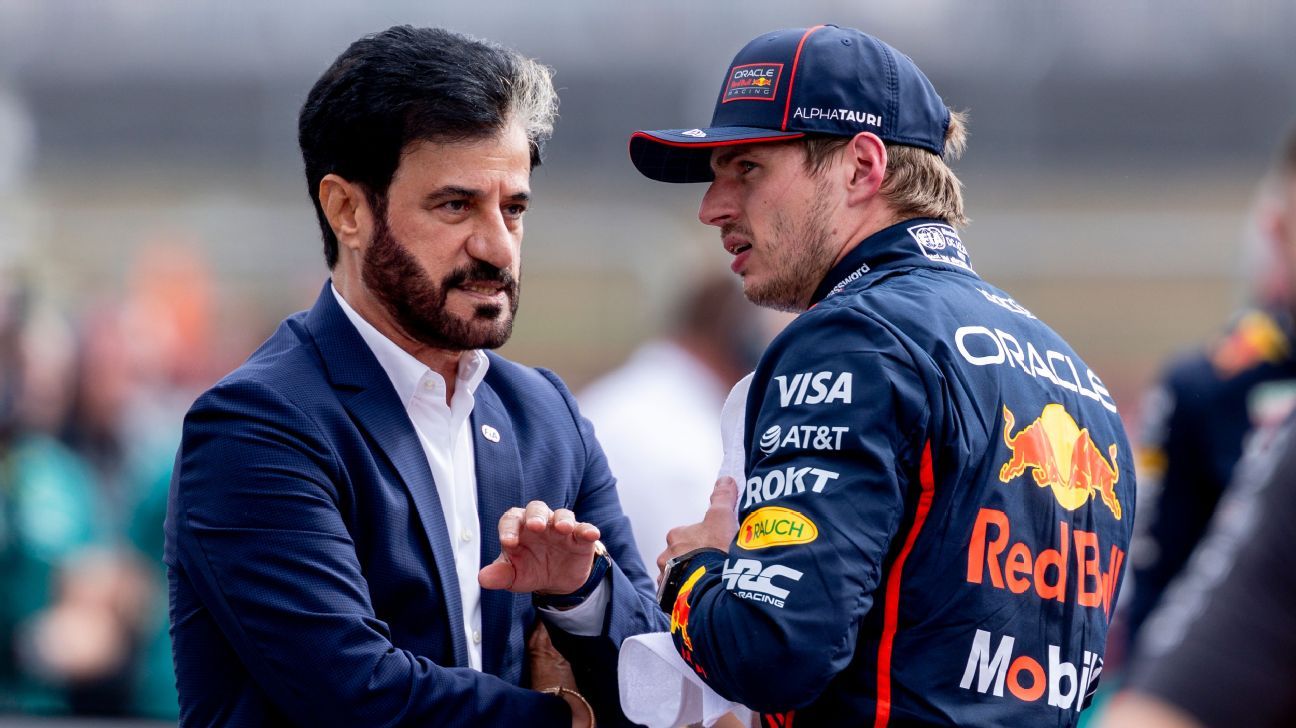
Mohammed Ben Sulayem Secures Second Term as FIA President Amidst Controversy and Calls for Reform
Mohammed Ben Sulayem has been re-elected as President of the Fédération Internationale de l’Automobile (FIA) for a second four-year term. This re-election comes after a period marked by both notable progress and considerable friction within the world of Formula 1. Notably, the path to his continued leadership was unopposed, following the withdrawal of potential challengers Tim Meyer and Laura Villiers.
A Contested Process & Concerns Over Democracy
The circumstances surrounding the election have raised questions about the democratic process within the FIA. Meyer, after withdrawing his candidacy, publicly stated the process had become one of “control” rather than “choice,” highlighting a perceived lack of genuine competition. These concerns reflect a broader sentiment regarding governance within the sport.
Ben Sulayem’s impact: Opening the Grid & Financial Turnaround
During his first term, Ben Sulayem spearheaded initiatives that have reshaped the future of Formula 1. He was instrumental in initiating the process that led to the approval of an 11th grid slot for 2026. This ultimately paved the way for the General Motors-backed Cadillac team’s entry into the sport.
Furthermore, the FIA under Ben Sulayem has overseen a significant financial turnaround. The institution reversed a €24.0 million loss in 2021 to achieve a robust operating result of €4.7 million in 2024 – the strongest financial performance in nearly a decade.
Navigating conflicts and controversies
However, Ben Sulayem’s tenure hasn’t been without its challenges. His first term has been punctuated by several notable conflicts with Formula 1 management and teams. These disagreements center around key areas of the sport’s operation and regulation.
Here’s a breakdown of some key areas of contention:
* Driver Conduct: Ben Sulayem initially pushed for stricter regulations regarding driver jewelry and the use of profanity in press conferences.This led to memorable moments, such as lewis Hamilton’s defiant display of accessories in Miami.
* Officiating & Stewarding: A persistent point of contention remains the officiating of races. formula 1 drivers are actively advocating for a more consistent and professional stewarding process.
* Permanent Stewards: Currently, a rotating panel of volunteer stewards oversees penalties and race matters. The FIA has, so far, resisted calls to establish a paid, permanent group of stewards.
* Governance & Transparency: Lingering concerns about the overall democratic process and governance of the sport continue to be voiced.
The Road Ahead: Balancing Tradition and Progress
As Ben Sulayem embarks on his second term,you can expect continued efforts to modernize the FIA and strengthen its financial position. However, he will also need to address the ongoing concerns regarding transparency, governance, and the relationship between the FIA and Formula 1.
Successfully navigating these challenges will be crucial to ensuring the long-term health and stability of the sport. Ultimately, the goal is to create a fair, competitive, and sustainable habitat for all stakeholders involved.
The FIA’s press release emphasized Ben Sulayem’s commitment to “strengthening the FIA’s role as a global leader in motorsport and mobility.” It remains to be seen how this vision will unfold in the years to come.
Worth a look