Rising Tensions: China’s Military Drills and the Future of the Taiwan Strait
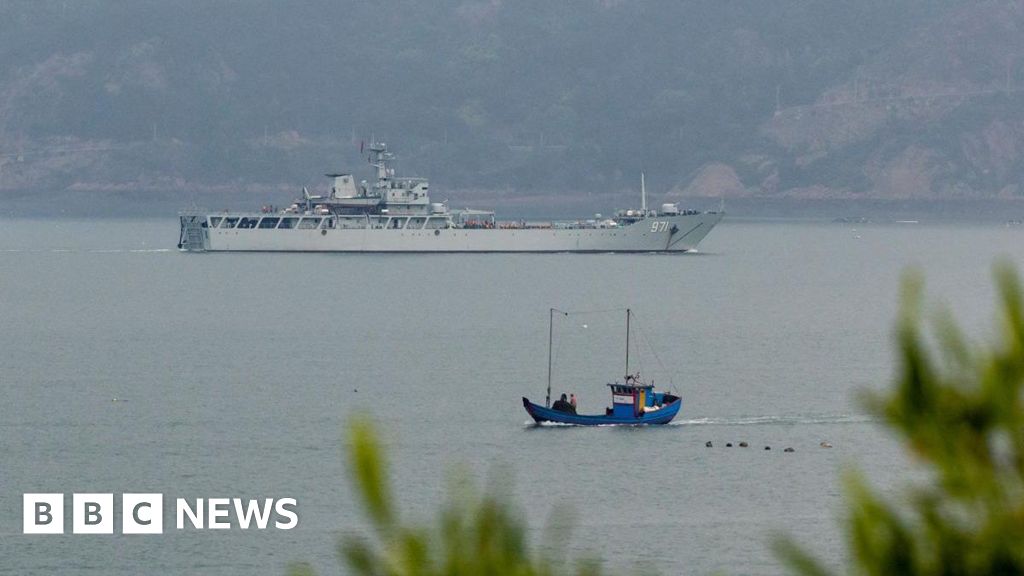
Recent military exercises conducted by China in the Taiwan Strait underscore a important escalation in regional tensions. These drills, initiated in 2022, are increasingly frequent and complex, signaling Beijing’s resolve and responding to events it perceives as provocative. Understanding the context and implications of these actions is crucial for anyone following developments in East Asia.
A Pattern of Response and Demonstration
China has consistently linked its military activity to specific events. Notably, exercises followed both former U.S. House Speaker Nancy Pelosi‘s visit to Taiwan in 2022 and the inauguration of Taiwan’s President Lai Ching-te in 2024. These actions aren’t simply reactive; they serve as a demonstration of China’s capabilities and a clear message to both Taiwan and international actors.
Specifically, April’s live-fire exercises simulated attacks on critical infrastructure, including key ports and energy facilities. Moreover, the People’s Liberation Army accompanied these drills with a propaganda campaign, including cartoons portraying President Lai in a negative light.This multifaceted approach highlights the breadth of China’s strategy.
New leadership, Continued Pressure
This week’s drills mark the first under the leadership of Yang Zhibin, the newly appointed chief of the Eastern Theater Command. His assumption of command in October signals a continuation – and potentially an intensification – of this assertive posture. You can expect continued scrutiny of his actions and their impact on regional stability.
Taiwan’s Response and Preparedness
Taiwan is not passively responding to these pressures. The island nation actively conducts its own military exercises,designed to prepare its population for potential conflict and showcase its defensive capabilities to Beijing. This year’s Han Kuang exercise was the largest and most extensive in its history, demonstrating a commitment to bolstering its defenses.
President Lai has pledged to increase defense spending and enhance Taiwan’s overall defense capabilities. He recently announced plans for a dome-like air defense system, intended to protect against potential threats, though he didn’t directly name China as the source of those threats.
Expanding the Scope of Deterrence
China’s military has stated that these drills also aim to deter potential intervention “outside the island chain.” This suggests a broadening of China’s strategic focus, extending beyond immediate control of the Taiwan Strait. It’s a signal to nations further afield, including the United States and its allies.
Complicating Factors: China-Japan Relations
The situation is further intricate by deteriorating relations between China and Japan. A recent statement by a Japanese official suggesting potential intervention by Japan’s self-defense forces in the event of a Chinese attack on Taiwan has triggered a strong reaction from Beijing.
China has lodged formal protests and warned its citizens against traveling to Japan. Tensions escalated further when Chinese fighter jets appeared to lock radar onto Japanese aircraft during a training exercise, prompting a protest from Tokyo. This escalating cycle of accusations and counter-accusations adds another layer of complexity to the regional security landscape.
Looking Ahead:
The current situation demands careful observation and strategic analysis.You should be aware that the increased military activity, coupled with strained diplomatic relations, creates a volatile environment. The future of the Taiwan Strait will likely depend on a complex interplay of military posturing, diplomatic engagement, and the evolving geopolitical landscape.
Worth a look
- Russia Puts Telegram Founder Pavel Durov on Wanted List
- $32M COVID-19 Fraud Fugitive Elaine Escoe Captured in Jamaica, Returned to US
- Oil Prices Jump as Gulf States Seek China’s Help to Restrain Iran (time.news)
- China Gains Global Influence as Trump Administration Struggles With Containment (newsdirectory3.com)