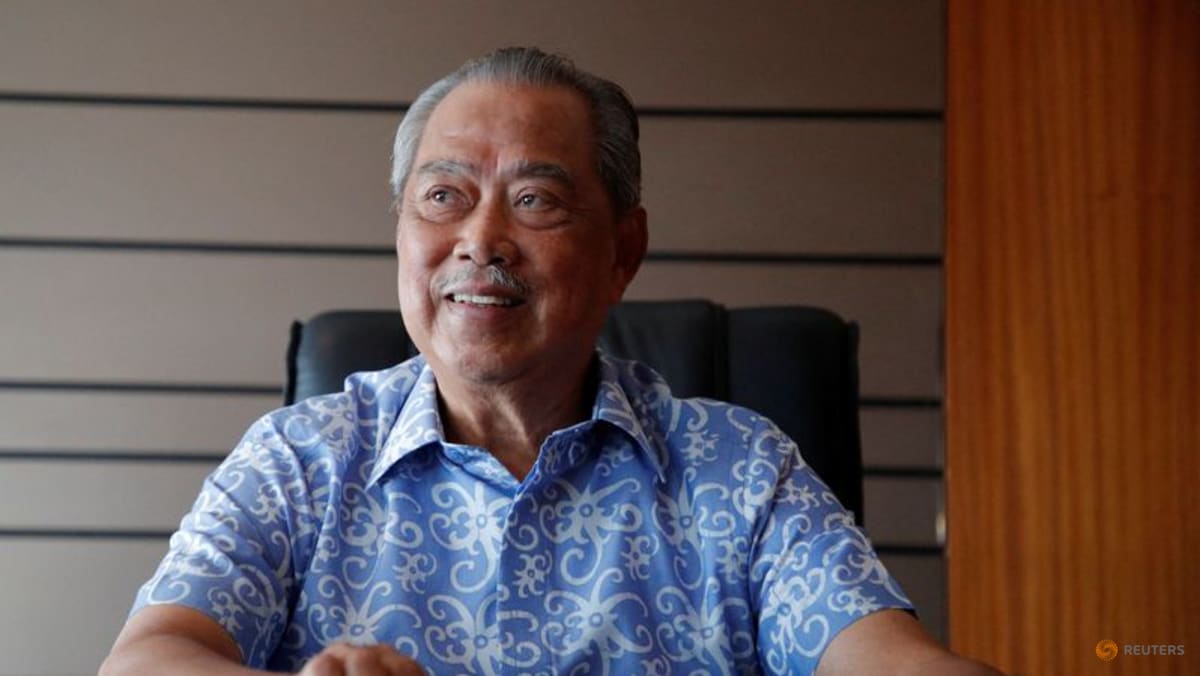
Muhyiddin Yassin Resigns as Perikatan Nasional Chair: A Deep Dive into Malaysian Political Shifts
Kuala Lumpur – In a important progress for Malaysian politics, Muhyiddin Yassin announced his resignation as chairman of the opposition bloc Perikatan Nasional (PN), effective January 1st. This move follows a period of internal strife and a recent political crisis in the state of Perlis, raising questions about the future direction of the coalition. But what does this mean for Malaysia’s political landscape, and what factors led to this decision?
Understanding the Context: Perikatan Nasional and Recent Challenges
Perikatan Nasional, formed five years ago, is a coalition primarily composed of Parti Islam Se-Malaysia (PAS) and Parti Pribumi Bersatu Malaysia (Bersatu). Muhyiddin Yassin, also the president of Bersatu, has led the bloc since its inception. However, recent events suggest growing internal pressures and a fracturing of support within key state governments.
The immediate catalyst for Muhyiddin’s resignation appears to be the upheaval in Perlis. The state assembly, previously controlled by PN, witnessed a dramatic shift when Chief Minister Mohd Shukri Ramli resigned. This followed the withdrawal of support from several assemblymen - a move that ultimately led to Abu Bakar Hamzah assuming the chief minister post.
the Perlis Crisis: A Breakdown of Events
Here’s a concise look at the sequence of events in Perlis:
* Withdrawal of Support: Eight statutory declarations were signed by state assemblymen, including three from PAS and five from Bersatu, retracting their support for Chief Minister shukri Ramli.
* Chief Minister Resignation: Mohd Shukri Ramli later resigned from his position.
* New Appointment: Abu Bakar Hamzah of Bersatu was appointed as the new Chief Minister.
* PAS sacking: The three PAS assemblymen involved in withdrawing support were subsequently expelled by the party.
Currently, the Perlis state assembly consists of 15 seats: six held by PAS, five by Bersatu, and one by Prime minister anwar Ibrahim’s Parti Keadilan Rakyat. This shift in power dynamics highlights the fragility of the coalition’s control at the state level.
Internal Strife Within Bersatu: Calls for Leadership Change
Beyond the perlis crisis, Muhyiddin Yassin has also faced increasing pressure within his own party, Bersatu. For some time,there have been growing calls from within the party for him to step down as president.
These calls largely center around a desire for a leadership transition,with Deputy President Hamzah Zainuddin frequently mentioned as a potential successor. Political observers suggest that loyalists of Muhyiddin have been advocating for this change, signaling a potential loss of confidence in his leadership.
What Does This Mean for the Future?
Muhyiddin Yassin’s resignation marks a pivotal moment for Perikatan Nasional. While he expressed gratitude to the bloc’s leadership and wished them well, the move undoubtedly creates uncertainty. Several key questions remain:
* Who will succeed Muhyiddin as PN chair? The selection of a new leader will be crucial in determining the coalition’s future direction.
* Will this lead to further fragmentation within PN? The Perlis crisis and internal strife within Bersatu suggest a potential for further divisions.
* how will this impact the broader Malaysian political landscape? The opposition’s ability to present a united front will be closely watched.
you can expect increased political maneuvering and potential realignments in the coming weeks as parties assess the implications of this leadership change.
Evergreen Insights: The Dynamics of Malaysian Coalition Politics
Malaysian politics are characterized by complex coalition building and shifting alliances. Historically, no single party has consistently held a majority, necessitating the formation of broad-based coalitions. These coalitions are often fragile, susceptible to internal disagreements and power struggles.
Understanding this dynamic is crucial for interpreting recent events. The Perikatan Nasional coalition, like many before it, has faced the challenges inherent in balancing the interests of diverse parties and maintaining unity in the face of political pressure. The current situation underscores the importance of strong leadership, internal cohesion, and a clear vision for success in navigating Malaysia’s complex political terrain.
Frequently Asked Questions (FAQs)
**Q: Who is Muhyiddin Yassin
Related reading