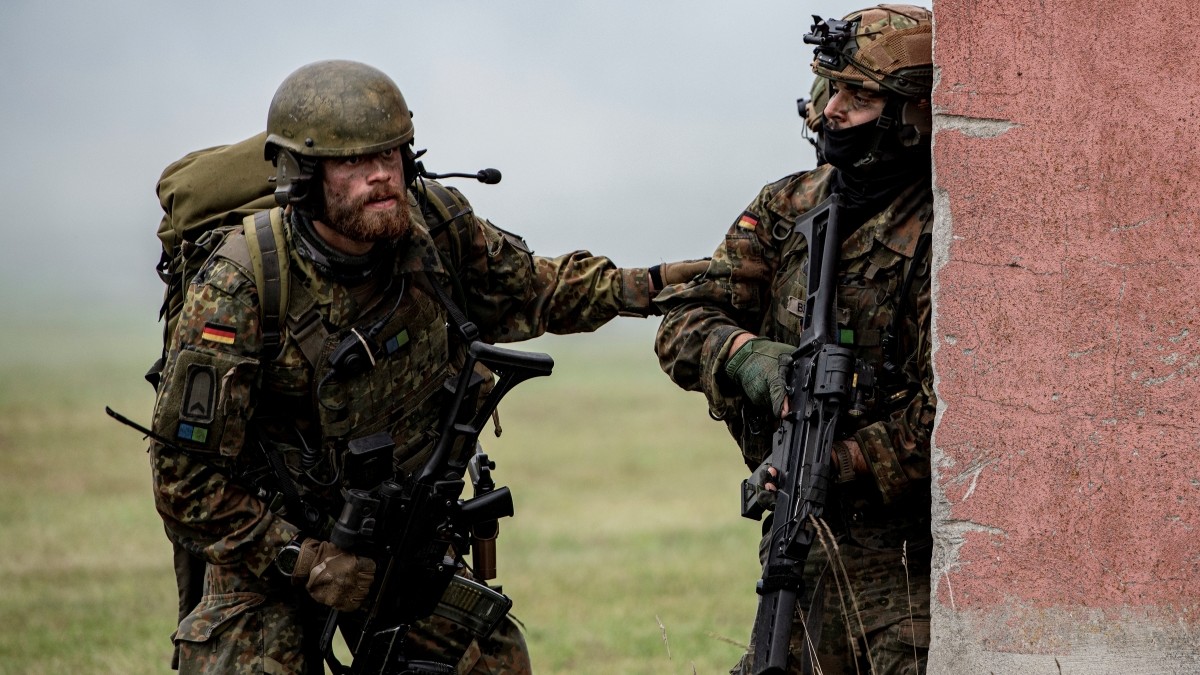
GermanyS Evolving Role in European Security: A Shift in Transatlantic Dynamics
Germany is undergoing a significant transformation in its approach to defence and security, driven by a changing geopolitical landscape and a growing recognition of the need for greater European autonomy. For decades, the nation prioritized economic strength and soft power, often deferring to the United States for its security umbrella.Now, a confluence of factors – including Russia’s aggression in ukraine – is prompting a reevaluation of this posture.
This shift isn’t simply about increased defense spending, though that’s a crucial component. It represents a deeper, more fundamental change in Germany’s strategic culture and its willingness to assume a leading role in safeguarding European security. You’re witnessing a nation grappling with its potential as a pillar of European defense, aiming to lessen its long-standing reliance on the U.S.
The U.S.Viewpoint: Prospect and Caution
Washington is carefully observing these developments, recognizing both the opportunities and potential challenges. The United States isn’t necessarily resisting Germany’s rise, but its approaching it with a pragmatic outlook. A key question for U.S. policymakers is not if Germany is changing,but what it can realistically deliver and when.
Recent discussions, such as the suggestion that Germany might one day hold the Supreme allied Commander Europe (SACEUR) position – a role continuously held by an american as 1950 – highlight the evolving expectations. This signals a significant shift in transatlantic security arrangements.
However, the U.S. is wisely balancing encouragement with caution. Expecting rapid military expansion would be unrealistic. Moreover, a more capable Germany may also pursue a more independent foreign policy, which requires careful consideration.
The Power of German Industry
Germany’s most immediate and impactful contribution will likely come from its burgeoning defense-industrial base. This sector is experiencing substantial growth, outpacing the evolution of the nation’s overall strategic mindset. Deepening collaboration between the U.S. and Germany on defense industrial matters is paramount to sustaining this momentum.
Consider these key areas of cooperation:
* Drones: Joint ventures are planned for 2025.
* Maritime Defense: Collaborative efforts are underway to integrate technologies.
* Air Defense Systems: Partnerships are forming to advance integrated air and missile defense capabilities.
These initiatives demonstrate a commitment to shared security interests and a willingness to pool resources and expertise.
Navigating the Path Forward
Ultimately, the defining question is whether Germany can successfully complete its transition from a nation historically focused on restraint to one prepared for robust action. This journey requires sustained investment, strategic clarity, and a willingness to embrace greater responsibility.
The strategic clock is ticking. Successfully navigating this transformation will be critical not only for Germany’s future role in Europe, but also for the long-term stability of the transatlantic alliance. It’s a complex undertaking, but one with profound implications for the future of global security.
- Iran Warns Against US Interference in Strait of Hormuz and Israeli Aggression
- How Many Cups of Coffee per Day Are Actually Healthy for Your Heart and Liver?
- Former Xinjiang Police Officer Seeks Asylum in Germany (world-today-news.com)
- Trump to Meet Zelensky at White House Amid Shift Toward Military Cooperation (time.news)