Rising Tensions in Yemen Threaten Regional Stability – And Global Shipping
The fragile peace in Yemen is fracturing, escalating a complex conflict with far-reaching implications for the Red Sea, international trade, and the delicate balance of power in the Middle East. recent airstrikes and pointed accusations signal a deepening rift between Saudi Arabia and the United Arab Emirates (UAE), further complicating an already devastating war. Here’s a breakdown of the situation, what’s driving it, and why you should pay attention.
The core Conflict: A Nation Divided
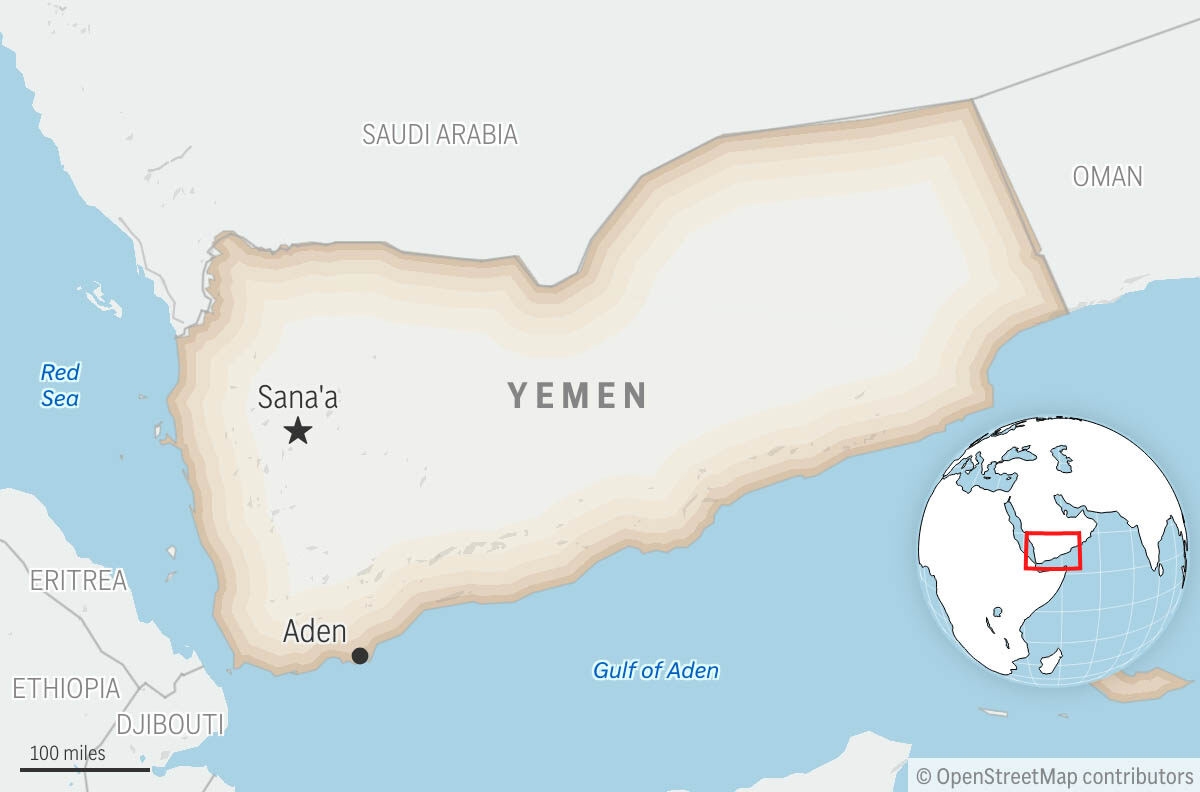
The current crisis stems from Yemen’s ongoing civil war, which began in 2014 when Houthi rebels seized control of the capital, Sanaa. This forced the internationally recognized government to relocate,establishing Aden as its temporary seat of power – roughly 480 kilometers (300 miles) northeast of the current flashpoint,Mukalla.
The war has created a catastrophic humanitarian crisis. Over 150,000 people have died, including both combatants and civilians, and tens of thousands more have perished due to indirect consequences like starvation and lack of medical care. Yemen, strategically located on the southern edge of the Arabian Peninsula, borders the Red Sea, the Gulf of Aden, Saudi Arabia, and Oman.
Houthi Attacks Disrupt Global Trade
Adding to the instability, the Houthis have been actively targeting commercial ships in the Red Sea corridor since the outbreak of the Israel-Hamas war. These attacks have substantially disrupted regional shipping, impacting global supply chains and raising insurance costs. You’ve likely seen reports of vessels rerouting around Africa to avoid the Red Sea, adding weeks and expense to voyages.
A New Player emerges: The Southern Transitional Council (STC)
Recently, attention has focused on the Southern Transitional Council (STC), a separatist group pushing for the independence of South Yemen – a nation that existed separately from 1967 to 1990. The STC has been making territorial gains,pushing out forces aligned with the Saudi-backed National Shield Forces in the Hadramout and Mahra governorates.
This advance prompted a strong response from Saudi Arabia, which launched airstrikes targeting the STC on Friday. Analysts interpret these strikes as a clear warning to halt the separatist push.
Saudi Arabia and the UAE: A Shifting Alliance
The STC’s rise and saudi Arabia’s reaction have exposed a growing tension between saudi Arabia and the UAE.Both nations are members of the OPEC oil cartel and maintain close diplomatic ties, but they’ve also historically competed for influence in the region.
* Economic Competition: Saudi Arabia is actively seeking to attract foreign investment away from Dubai, a long-standing hub for international business and expatriate workers.
* Historical Disputes: Even before the UAE’s founding in 1971, border disputes existed between the two nations.
* Proxy Conflicts: The situation is further elaborate by the ongoing conflict in sudan, where Saudi Arabia and the UAE support opposing sides.
Tuesday’s airstrikes and a direct statement from Saudi Arabia’s Foreign Ministry accusing the UAE of “extremely hazardous” steps represent the most serious confrontation between the two countries in decades. The STC’s allies have, so far, shown no willingness to back down.
Regional Repercussions: Somaliland and Beyond
The instability isn’t confined to Yemen.Israel recently acknowledged Somaliland, a breakaway region of Somalia, as an self-reliant nation – a move that has angered the Houthis, who have threatened attacks against any Israeli presence there.
This interconnectedness highlights how conflicts in one part of the region can quickly escalate and draw in multiple actors.
What Does this Mean for You?
The situation in yemen and the surrounding region is incredibly complex, but its impact is far-reaching. Expect:
* Continued disruptions to global shipping: Houthi attacks will likely persist, impacting supply chains and potentially driving up prices.
* Increased regional instability: The rift between Saudi arabia and the UAE could widen, potentially leading to further conflict.
* A worsening humanitarian crisis in Yemen: The ongoing war continues to inflict immense suffering on the Yemeni people.
Staying informed about these developments is crucial for understanding the evolving geopolitical landscape
Worth a look