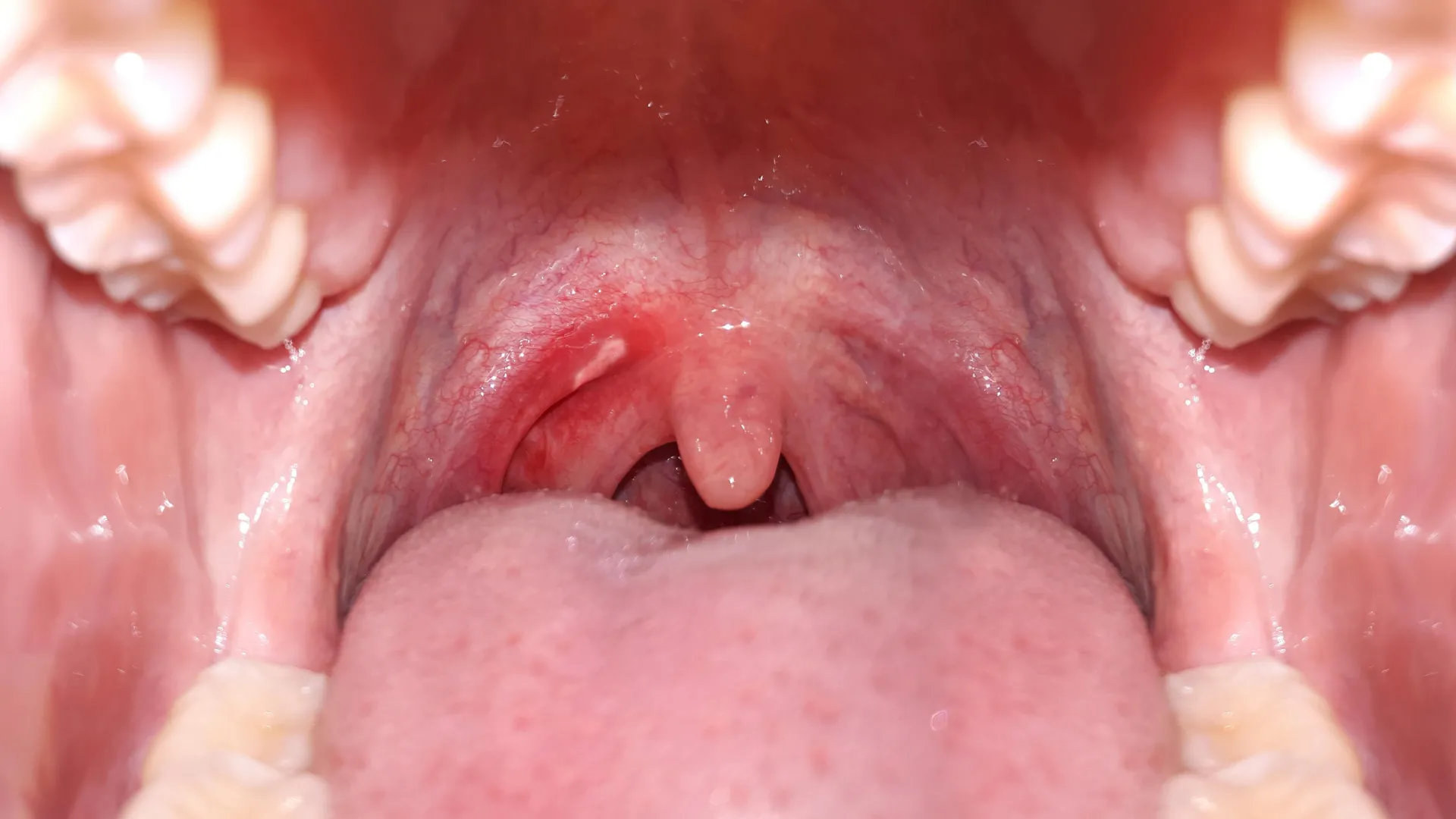
The Hidden Epidemic: Alcohol adn Tobacco Fueling a Surge in Mouth Cancer in India – A Comprehensive Analysis
For decades, buccal mucosa cancer (cancer of the inner lining of the cheek) has been a tragically common, yet largely overlooked, health crisis in India, particularly in rural communities. Recent, robust research is finally shedding light on the alarming link between alcohol consumption, tobacco use, and this devastating disease, revealing a preventable epidemic with profound implications for public health. This analysis delves into the findings of a landmark study, exploring the risks, the contributing factors, and the urgent need for comprehensive prevention strategies.
A Growing Concern: Understanding the Scope of the Problem
Buccal mucosa cancer is a notable contributor to the overall cancer burden in India, often diagnosed at late stages due to limited awareness and access to healthcare in affected regions. The disease disproportionately impacts individuals between the ages of 25 and 45, representing a significant loss of productive years and placing a heavy strain on families and healthcare systems. Historically, the focus has been primarily on tobacco use as the primary driver, but emerging evidence paints a far more complex picture.
Landmark Research Uncovers a Hazardous Synergy
A comprehensive case-control study, involving 1,803 individuals diagnosed with buccal mucosa cancer and a carefully matched control group of 1,903 healthy individuals, conducted across five study centers in India between 2010 and 2021, has provided the most detailed understanding to date of the interplay between alcohol and tobacco in driving this cancer. The study meticulously tracked participants’ drinking habits – encompassing both internationally recognized beverages like beer, whisky, and vodka, and the vast array of locally brewed options such as apong, bangla, chulli, desi daru, and mahua - alongside detailed tobacco usage patterns.
Key Findings: A Dose-Response Relationship with Alcohol
The research unequivocally demonstrates a strong, dose-response relationship between alcohol consumption and increased risk of buccal mucosa cancer.This means the more alcohol consumed, the higher the risk. Crucially, the study found:
* Significant Risk Increase: Individuals who consumed any amount of alcohol had a 68% higher risk of developing buccal mucosa cancer compared to non-drinkers.
* Locally Brewed Alcohol: the Highest Risk: Consumption of locally brewed alcohol carried the greatest risk, increasing the likelihood of cancer by a staggering 87%. This is likely due to a combination of higher alcohol content and potential contamination with toxic substances like methanol and acetaldehyde, a result of largely unregulated production processes.
* No Safe Threshold: Even minimal alcohol consumption – less then 2 grams of beer per day – was associated with an elevated risk.A single standard drink (approximately 9 grams of alcohol) increased risk by around 50%.
* Synergistic Effect with Tobacco: The combination of alcohol and tobacco use created a dramatically amplified risk, exceeding a fourfold increase. Researchers estimate that a staggering 62% of buccal mucosa cancer cases in India are attributable to this dangerous interaction.
The Biological Mechanism: How Alcohol Amplifies Cancer Risk
The study suggests a compelling biological mechanism explaining alcoholS role. Ethanol appears to alter the fat content of the mouth’s inner lining, increasing its permeability. This heightened permeability allows carcinogens present in chewing tobacco – a prevalent habit in India – to penetrate the tissue more easily, accelerating the development of cancerous cells. Importantly, alcohol increased cancer risk regardless of the duration of tobacco use, highlighting its independent contribution to the disease.
Regional Variations and the Impact of Unregulated Alcohol
The study also revealed significant regional variations. While alcohol consumption is linked to nearly 11.5% of buccal mucosa cancer cases in India, this proportion rises to approximately 14% in states with particularly high disease rates, such as Meghalaya, Assam, and Madhya Pradesh. This correlation strongly suggests a link to the prevalence of unregulated, locally brewed alcohol in these regions.
the Regulatory Landscape: A Complex Challenge
India’s alcohol control framework is complex, with both central and state laws governing production, distribution, and sale. While central legislation provides some oversight, the locally brewed liquor market remains largely unregulated. Some locally produced beverages contain alarmingly high alcohol concentrations, reaching up to 90%. This lack of regulation poses a significant public health threat.
A Call to Action: Prevention is Paramount
The findings of this research are a stark warning and a powerful call to action. The study’s authors conclude that “there is no safe limit of alcohol consumption” when it comes to buccal mucosa cancer risk. Effective public health interventions focused on preventing both alcohol and tobacco use are crucial.
Recommendations for a Comprehensive Prevention Strategy:
* Strengthened Alcohol Regulation: Implement
- 10 Surprising Health Benefits of Gardening for Mind and Body
- AI-Powered Blood Test Detects Alzheimer’s Disease 7 Years Before Symptoms Appear
- Scientists Develop Programmable Chemotherapy to Destroy Cancer Cell DNA (archyworldys.com)
- Why Some Smokers Develop Cancer and Others Don’t: New Study Insights (newsdirectory3.com)