California Wildfire Regulations and the Housing debate: A Growing Conflict
The intersection of California’s housing crisis and escalating wildfire risk is creating a complex and contentious landscape. Increasingly, communities are finding themselves caught between the urgent need for housing and legitimate safety concerns, notably regarding growth in fire-prone areas.This article delves into the challenges, recent developments, and legal battles shaping this critical issue, focusing on the experiences of communities like the Palisades in Los Angeles.
The Rising Tension: Housing Needs vs. Fire Safety
Wildfire risk has fundamentally altered the state’s already heated housing debate. Traditionally, this debate pitted “yes in my backyard” (YIMBY) advocates – who champion increased development – against “not in my backyard” (NIMBY) groups concerned about neighborhood character. Now, a new dynamic has emerged.
Local resident groups and fire safety organizations are finding common ground. They are actively opposing attempts to loosen existing development regulations in high-risk zones and demanding strict adherence to current safety standards. This alliance is particularly strong in areas recently impacted by devastating wildfires.
The Palisades: A Case Study in Conflict
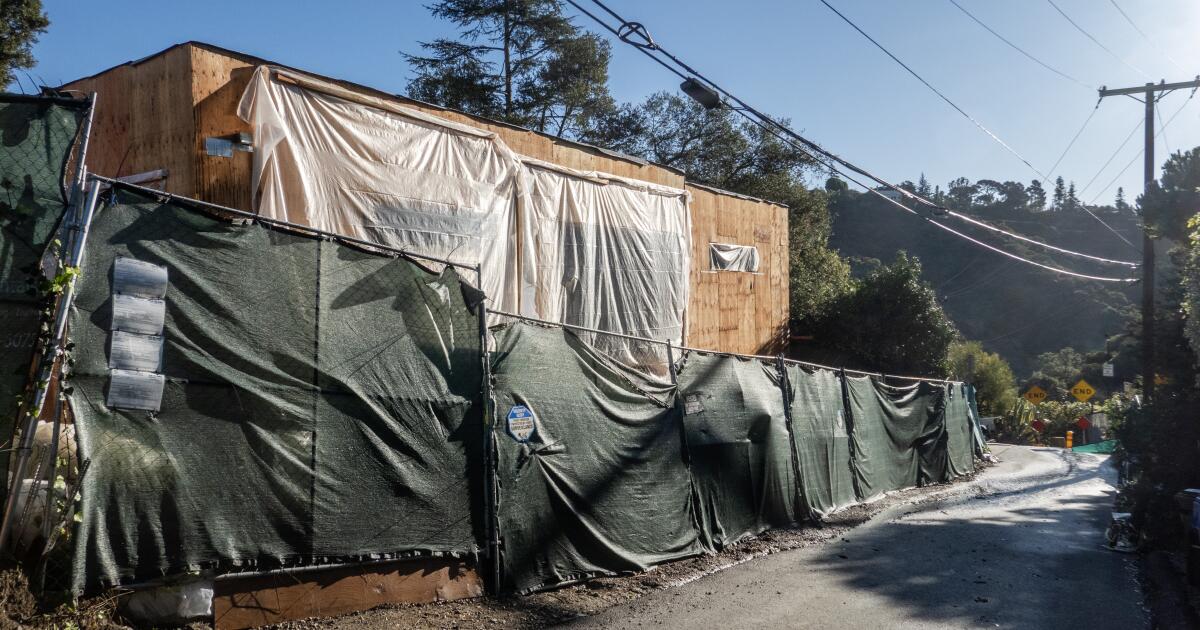
The affluent community of the Palisades in Los Angeles exemplifies this growing tension. Several recent attempts to increase housing density have met with fierce resistance, fueled by memories of January’s harrowing fire and evacuation.
Here’s a breakdown of the key points of contention:
* Duplex Restrictions: A state law allowing homeowners to build duplexes was effectively blocked for the Palisades due to local outcry and concerns about fire safety. Governor Gavin Newsom ultimately created an exception for fire-prone areas.
* Failed Housing Authority: A proposed local authority designed to facilitate rebuilding efforts was derailed by misinformation. Opponents falsely claimed it would lead to a surge of low-income housing, exacerbating density concerns.
* Transit-Oriented Development: Residents fear a new law promoting density near transit stops will be applied to the Palisades, despite the area lacking qualifying transit infrastructure.
You can understand their concerns. Residents, still reeling from the slow and frightening evacuation during the January fire, rightly fear that increased density would worsen future evacuation scenarios. They are understandably protective of their community and the sense of belonging it provides.
Legal Action and a Call for Accountability
Recently, a lawsuit was filed challenging the city’s approach to rebuilding and development in fire-prone areas. Importantly, the lawsuit doesn’t challenge specific building permits already issued in the palisades. Instead, it uses the devastation and evacuation challenges of the recent fire as a cautionary tale.
The central argument is clear: prioritizing development in hazardous areas without adequate safety considerations will inevitably worsen the impact of future disasters.
“Why did it have to come to this?” asked a key figure in the lawsuit,emphasizing the frustration with the city’s response. “Why couldn’t the city, in light of this horrific, tragic incident… just do what was required? Why do they constantly have to be sued in order to just do the right thing?”
What This Means for You and California’s Future
This situation in the Palisades is not isolated.It reflects a broader struggle across california. As climate change intensifies and wildfire risk increases, you can expect to see more communities grappling with these tough choices.
here are some key takeaways:
* Safety Must Be Paramount: Development in fire-prone areas requires rigorous adherence to safety regulations. Waivers or exceptions should be approached with extreme caution.
* Clarity and Communication are Crucial: Misinformation can derail well-intentioned projects. Open and honest communication with residents is essential.
* Evacuation Planning is Non-Negotiable: Increased density necessitates robust evacuation plans and infrastructure improvements.
* Proactive Measures are Essential: Waiting for a disaster to strike before addressing safety concerns is unacceptable. Proactive planning and investment are vital.
Ultimately, finding a enduring path forward requires a balanced approach. California needs more housing, but not at the expense of public safety. A collaborative effort involving state and local governments, fire safety experts, and community members is essential to navigate this complex challenge and build a more resilient future.
Resources:
* [Los Angeles Times: After outcry, L.A. restricts duplexes in Pacific Palisades](https://www.latimes.com/homeless-housing/story/20
Worth a look