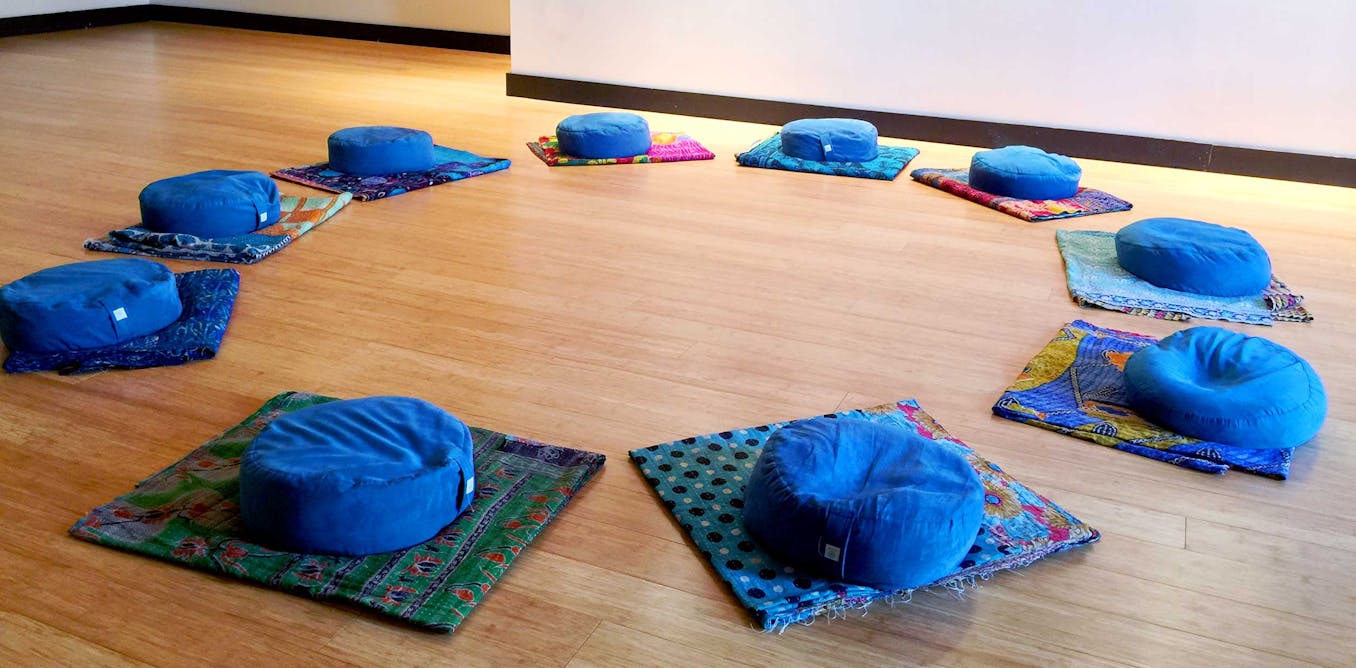
The Transformative Power of Loving-Kindness Meditation: Cultivating Inner Peace and a More Connected World
loving-kindness meditation, or metta as it’s known in the Buddhist tradition, is a practice with profound implications – not just for your individual well-being, but for the health of our communities and even our democracy. As a researcher exploring the intersection of mindfulness and civic life, I’ve witnessed firsthand the remarkable capacity of this ancient technique to foster empathy, reduce conflict, and build a more compassionate world. This article will guide you through the practice, explore its benefits, and illuminate why it’s more relevant now than ever.
Understanding Loving-kindness (Metta)
At its core, metta is about cultivating a feeling of unconditional love and goodwill. It’s a radical act of generosity, offering kindness without expectation of return. Unlike reciprocal relationships, metta doesn’t discriminate. It extends to everyone – those you love, those you struggle with, and even those you perceive as “other.” It’s about offering “the rarest and most precious gift” – love freely given, as described in my research on gratitude.
The Roots of the Practice
The practice of loving-kindness meditation has deep ancient roots. Fifth-century Sri Lankan monk Buddhaghosa detailed instructions in his influential text, The Visuddhimagga (or “The Path of Purification”). While contemporary teachers often adapt these instructions, the essential principles remain the same.
How to Practice Loving-Kindness Meditation: A Step-by-step Guide
The practice typically involves repeating specific phrases while visualizing the recipient of your well-wishes. Here’s a breakdown to get you started:
- begin with Yourself: This is crucial. You can’t genuinely offer kindness to others if you haven’t cultivated it within yourself. silently repeat these phrases, allowing the emotions to arise naturally:
* May I be filled with loving-kindness.
* May I be safe from inner and outer dangers.
* May I be well in body and mind.
* May I be at ease and happy.
- Extend to a Loved One: Once you feel a sense of warmth and kindness toward yourself, bring to mind someone you deeply care for. Direct the phrases toward them:
* May you be filled with loving-kindness.
* May you be safe from inner and outer dangers.
* May you be well in body and mind.
* May you be at ease and happy.
- Expand the Circle: Gradually broaden your focus. Consider:
* A Neutral Person: Someone you see regularly but don’t have strong feelings about (a cashier, a neighbor).
* A Challenging Person: Someone you struggle with. this is challenging, but incredibly powerful. Start small,and focus on their shared humanity.
* Friends and Loved Ones: “May they…”
* Your Community: Extend your wishes to everyone in your town or city.
* All Beings: encompass all living creatures and the Earth itself. “May we…”
Remember,the key is to genuinely feel the intention behind the words.
the Science-Backed Benefits of Loving-Kindness
Loving-kindness meditation isn’t just a spiritual practice; it’s supported by a growing body of scientific research. Studies demonstrate its positive impact on:
* Mental Health: Reduced anxiety and depression.
* emotional Well-being: Increased life satisfaction and self-acceptance.
* Self-Criticism: A decrease in harsh self-judgment.
* Social Connection: A stronger sense of connection and empathy toward others.
Research, including a recent study published in clinical Psychology Review, confirms these benefits. Moreover, studies show it can even increase activity in brain regions associated with empathy and compassion.
Loving-Kindness and a Thriving Democracy
The benefits extend beyond the individual. In my research,I’ve found that cultivating loving-kindness is essential for a healthy democracy.
Why? Because democracy requires collaboration - working with people who hold different views, even those we disagree with strongly. When our hearts are closed off by resentment and hostility, constructive dialog
Related reading