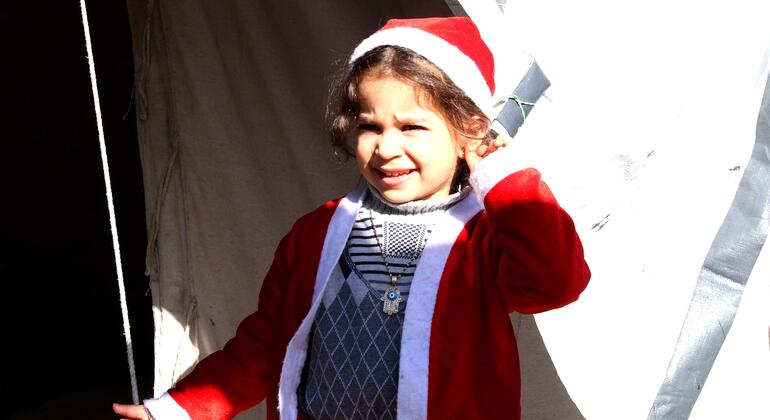
Gaza‘s displaced: A New year Marked by Fragile Hope and Enduring Hardship
The dawn of 2026 finds hundreds of thousands of Palestinians still displaced,thier lives irrevocably altered by ongoing conflict. Beyond the immediate devastation, a deeper crisis unfolds - a generation facing lost education, shattered livelihoods, and a future shrouded in uncertainty. This article delves into the realities faced by Gaza’s displaced population, examining the humanitarian challenges, the enduring hope for rebuilding, and the critical need for sustained international support.
A Humanitarian Crisis Deepens
The scale of displacement is staggering.Families are crammed into makeshift shelters – tents pitched on barren ground,or the remnants of damaged buildings – lacking fundamental necessities. Reliable access to clean water, electricity, healthcare, and sanitation remains a distant dream for many. The situation is particularly dire as winter descends, with relentless rains transforming displacement camps into muddy quagmires and exacerbating already precarious living conditions.
The united Nations Relief and Works Agency for Palestine Refugees in the Near East (UNRWA) https://www.unrwa.org/ is on the front lines of this crisis, providing critical aid, but faces immense challenges. Damaged infrastructure, restricted access, and the sheer volume of need are hindering relief efforts. The agency’s ability to operate effectively is crucial, yet consistently threatened by funding shortfalls and logistical obstacles.
The Weight of Lost Futures: Impact on Children
Beyond the immediate physical hardships, the long-term consequences of displacement are profoundly impacting Gaza’s children. Schools, vital centers of learning and stability, have been damaged or destroyed. Months of education have been lost,leaving a generation at risk of falling behind.
wafaa Al-Khawaja, a mother in Gaza, poignantly expresses the fears of many: “Our children today have no education or anything else.” This sentiment underscores the devastating impact on a generation’s potential. the psychological toll of witnessing conflict and enduring displacement is also significant, requiring specialized mental health support that is currently severely lacking. Organizations like Save the Children https://www.savethechildren.org/ are working to address these needs, but the demand far outweighs the resources available.
Yearning for Return: The Dream of Rebuilding Lives
For many, the most pressing desire is simply to return home. Kamal Abu Hsheish,originally from the Jabalia camp,embodies this longing: “My only wish is to return to the life we knew before the war.” This sentiment reflects the deep connection Palestinians have to their land and the desire to rebuild lives rooted in community and tradition.
Though, the path to reconstruction is fraught with obstacles. Beyond the physical rebuilding of homes and infrastructure, there’s the immense task of restoring livelihoods and addressing the deep-seated trauma experienced by the population. The World Bank estimates that rebuilding Gaza will require billions of dollars and sustained international commitment. https://www.worldbank.org/
The Fragile Ceasefire and the Path Forward
Hope, though fragile, persists. The October ceasefire agreement – a 20-point plan - offered a glimmer of stability, but its future remains uncertain. The advancement of this peace deal is paramount to creating the conditions necessary for sustained reconstruction and a return to normalcy.
International engagement is critical.Umm Rabee’ Al-Malash’s plea for support resonates deeply: “The Palestinian people must be supported, as they have endured immense suffering. Help us rebuild the Gaza Strip, bring about peace, and allow us to have a State where we can live in peace and security.” this isn’t simply a humanitarian imperative; it’s a matter of upholding human dignity and fostering a just and lasting peace.
Reconstruction efforts must prioritize sustainable solutions, focusing on rebuilding infrastructure, restoring essential services, and creating economic opportunities. Furthermore, addressing the root causes of the conflict is essential to prevent future cycles of violence and displacement.
Evergreen Insights: The Long-Term Impact of Displacement
Displacement isn’t merely a temporary crisis; it’s a deeply destabilizing force with long-term consequences. Beyond the immediate humanitarian needs, prolonged displacement can lead to:
* erosion of Social Fabric: Displacement disrupts community structures and social networks, weakening social cohesion.
* Increased Vulnerability: Displaced populations are frequently enough more vulnerable to exploitation, trafficking, and other forms of abuse.
* Intergenerational Trauma: The trauma of displacement can be passed down through generations, impacting mental health and well-being.