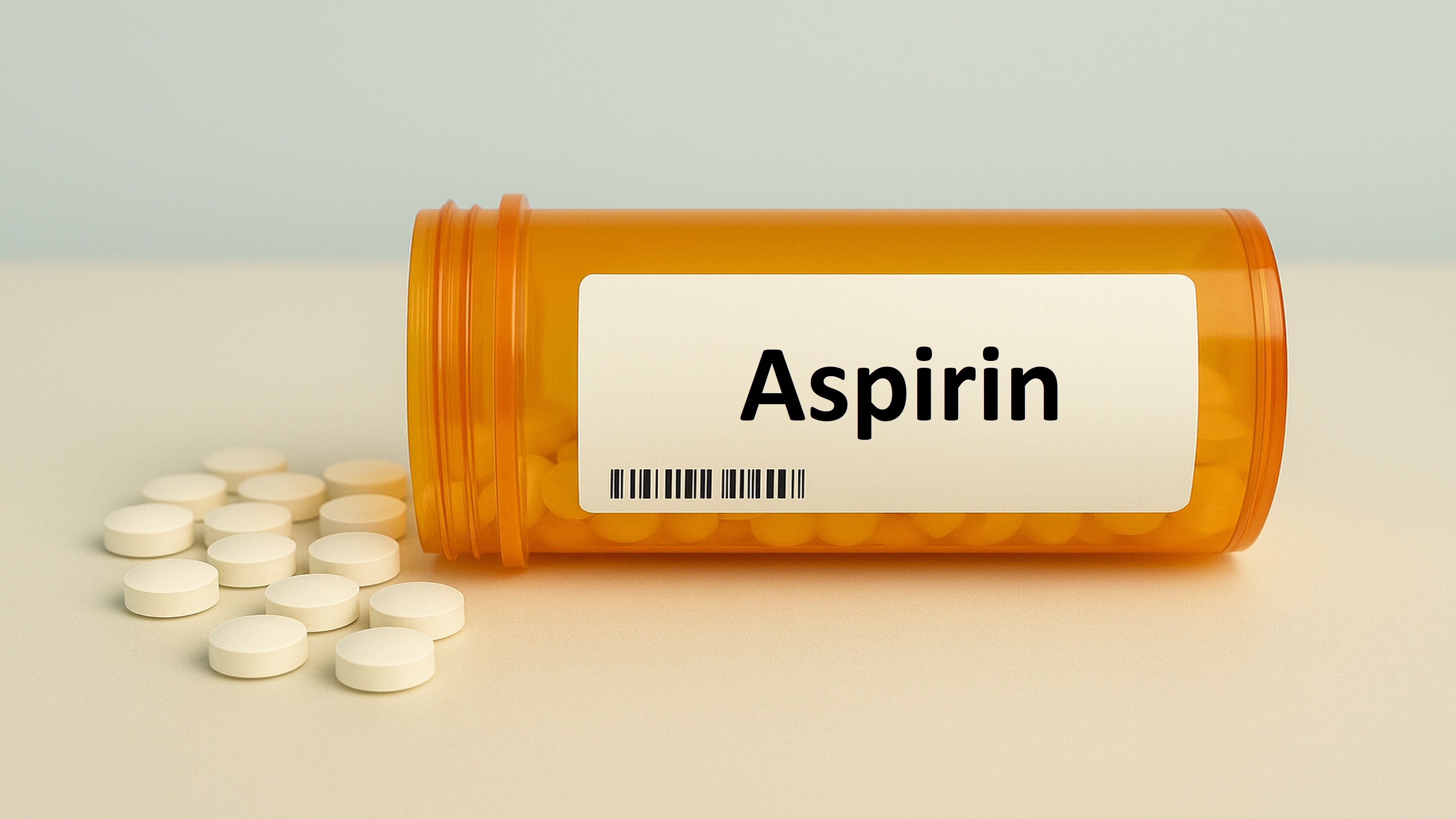
Aspirin: A Current Look at Heart Health and Prevention
For decades, aspirin has been a household name, often recommended for everything from headaches to heart attacks. Though, the guidance surrounding its use, particularly for preventing cardiovascular disease, has evolved considerably. Let’s explore the current understanding of aspirin’s role in heart health, what it means for you, and how to make informed decisions about your well-being.
How Aspirin Works: A Speedy Recap
Aspirin’s primary benefit lies in its ability to inhibit platelet aggregation. Essentially, it makes your blood less “sticky,” reducing the likelihood of dangerous clots forming. These clots can lead to heart attacks and strokes. This action stems from aspirin’s interference with the production of thromboxane A2, a substance that encourages platelet clumping.
The shifting Landscape of Aspirin Recommendations
Traditionally, manny individuals, especially those with risk factors for heart disease, were encouraged to take a daily low-dose aspirin. However, recent research has prompted a reassessment of this approach. Here’s what you need to know:
* Primary Prevention: For individuals without a history of heart attack or stroke, the benefits of daily aspirin are now considered less clear. In fact, the potential risks – primarily bleeding – may outweigh the benefits for many.
* secondary Prevention: If you have already experienced a heart attack or stroke, or have a diagnosed cardiovascular condition, daily aspirin remains a crucial part of your treatment plan. it helps prevent future events.
* Individualized Approach: The decision to start or continue aspirin therapy should always be made in consultation with your doctor. They will consider your individual risk factors, medical history, and potential for bleeding.
Understanding Your Risk Factors
Several factors influence whether aspirin might be appropriate for you. These include:
* Age: The risk-benefit ratio changes with age.
* Blood Pressure: Uncontrolled high blood pressure increases bleeding risk.
* Diabetes: Diabetes is a meaningful risk factor for cardiovascular disease.
* Cholesterol Levels: High cholesterol contributes to plaque buildup in arteries.
* Smoking Status: Smoking dramatically increases your risk.
* Family History: A family history of heart disease is a key consideration.
Bleeding Risk: A Critical Consideration
Aspirin’s blood-thinning affect, while beneficial for preventing clots, also increases the risk of bleeding. This can range from minor bruising to more serious complications like gastrointestinal bleeding or hemorrhagic stroke. I’ve found that many people underestimate this risk, so it’s vital to discuss it openly with your physician.
what Does This Mean for You?
If you’re currently taking daily aspirin for primary prevention, don’t stop abruptly. Talk to your doctor about whether to continue, adjust the dosage, or explore option strategies. Here’s what works best:
* Focus on Lifestyle: Prioritize a heart-healthy lifestyle. This includes a balanced diet,regular exercise,maintaining a healthy weight,and managing stress.
* Manage Existing Conditions: Effectively control conditions like high blood pressure, high cholesterol, and diabetes.
* Regular Check-ups: Schedule regular check-ups with your doctor to monitor your cardiovascular health.
* Open Communication: Have an honest conversation with your doctor about your individual risk factors and concerns.
The role of aspirin in heart health is nuanced and constantly evolving. By staying informed and working closely with your healthcare provider, you can make the best decisions for your long-term well-being. Remember, proactive heart health management is a journey, not a one-time fix.
Worth a look