Navigating a Tense Middle east: Domestic Politics and the Specter of Conflict
The Middle East finds itself at a critical juncture,grappling with escalating tensions and a complex interplay of domestic and international pressures. Recent events suggest a precarious balance, where the potential for conflict is heightened by internal political considerations within both Israel and Iran. You might be wondering how these internal dynamics are influencing the regional landscape - and itS a valid question.
Recent imagery depicts Israel’s Iron Dome intercepting missiles during a period of heightened alert, a stark reminder of the ongoing threat. This backdrop of potential conflict isn’t occurring in a vacuum. It’s deeply intertwined with the political survival of key leaders and the suppression of internal dissent.
Political Motivations at Play
Several analysts believe that the ongoing Iranian threat, coupled with unresolved conflicts in Gaza, Lebanon, and Syria, are strategically beneficial to Israeli Prime Minister Netanyahu. As long as the specter of war with Iran looms, it effectively discourages widespread anti-government protests. The underlying message, weather explicit or not, is that challenging the government during a time of perceived national security crisis could be seen as undermining Israel’s defense.
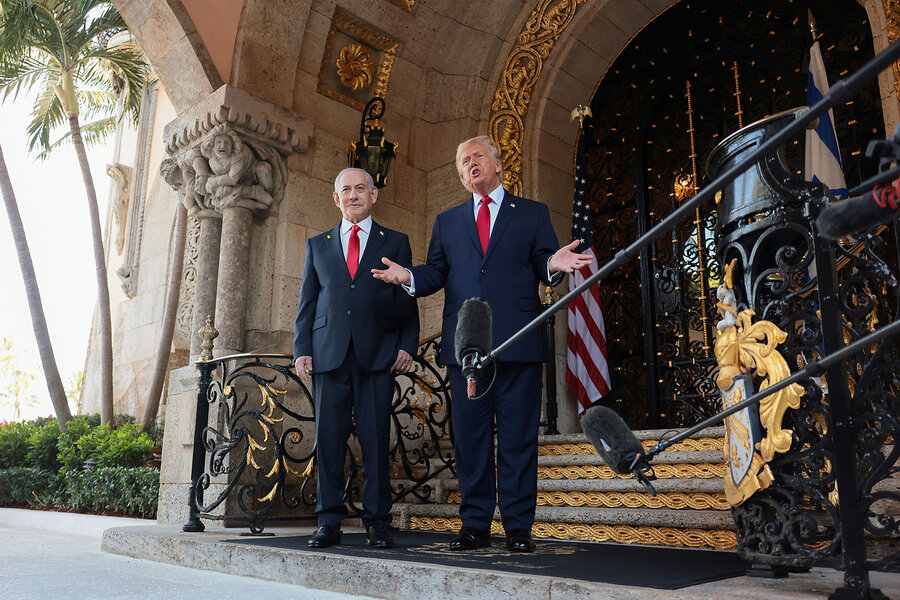
However, launching a war solely to bolster political ratings isn’t a simple undertaking.Netanyahu would need to secure the backing of President Trump,presenting compelling intelligence that justifies immediate military action. This intelligence would then need to be independently verified by U.S. intelligence agencies.
Iran’s Internal Challenges and Potential Diversions
Similar dynamics are unfolding within Iran. The country is facing persistent protests, with citizens blocking roads and voicing anti-government sentiments. Israeli officials have expressed concern that Iran might initiate a conflict with Israel as a calculated distraction.
Consider this: a war could provide the Iranian regime with a pretext for a massive crackdown on protesters. By portraying them as agents of Israel, the government could justify widespread arrests and suppress dissent under the guise of national security.
A Warning from Washington
President Trump recently issued a strong warning to Iran via social media. He stated that the united States would intervene if Iran were to violently suppress peaceful protesters. He further emphasized that the U.S. is prepared for military action,stating they are “locked and loaded and ready to go.”
Key Takeaways for You
* Domestic politics are heavily influencing regional security. The need to maintain power and quell internal dissent is a significant driver of actions on both sides.
* External validation is crucial. Neither Israel nor Iran can unilaterally escalate to a major conflict without considering the response of key international players, especially the United States.
* The situation is incredibly volatile. The potential for miscalculation or unintended escalation is high, making careful diplomacy and de-escalation efforts paramount.
Ultimately, understanding the complex interplay of these factors is essential for navigating the current situation in the Middle East. It’s a region where political calculations, internal pressures, and the ever-present threat of conflict are inextricably linked. Staying informed and critically evaluating the facts you receive is more significant than ever.
Worth a look