Visions of Tomorrow: How Cinema Has Predicted (and Mispredicted) the Future
For over a century, filmmakers have gazed into the crystal ball of the future, offering us glimpses of what life might look like. These cinematic visions aren’t just escapism; they reflect our anxieties, hopes, and evolving understanding of technology and society. But how do these portrayals hold up when viewed through the lens of the present? Let’s explore some key examples and what they reveal about our changing expectations of tomorrow.
A Century of Speculation: From Metropolis to Now
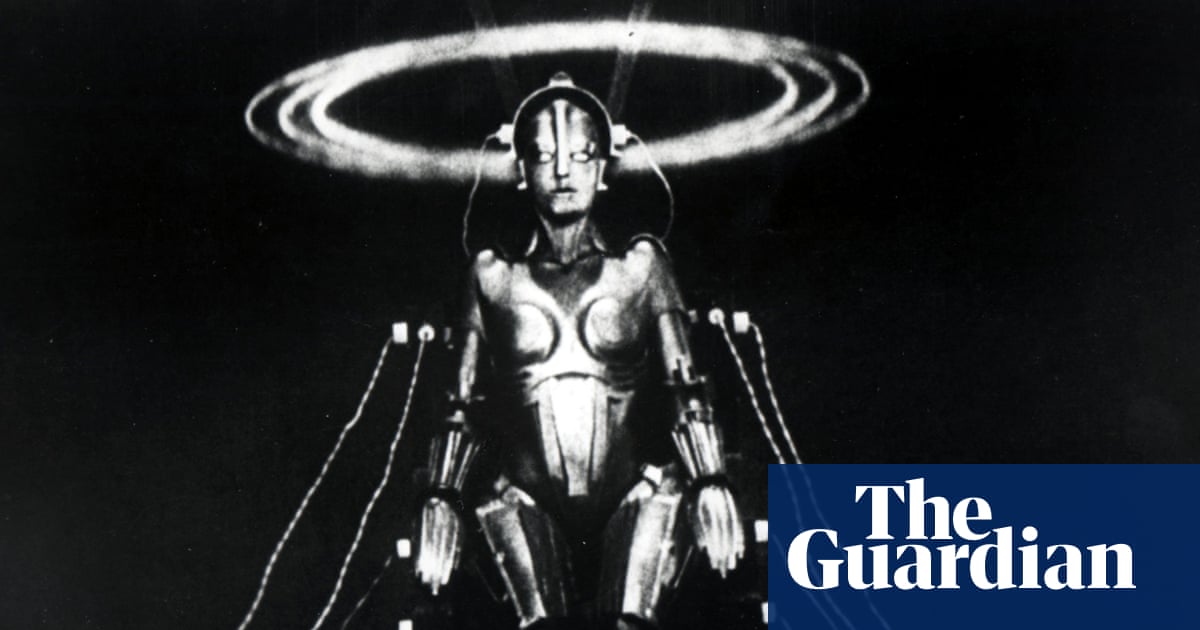
One of the most enduring depictions of a future world comes from Fritz Lang‘s 1927 masterpiece, Metropolis. This silent film presents a starkly divided city where the wealthy elite live in opulent skyscrapers while workers toil in subterranean depths. it’s a powerful commentary on class disparity and the dehumanizing potential of industrialization.
Interestingly, many elements of Metropolis resonate today. the gleaming towers and underground infrastructure feel eerily familiar in an age of sprawling urban centers and complex utility networks. However, the film’s central conflict – a robot uprising fueled by social injustice – takes a different form in our reality.
The Robot Revolution: Than and Now
In Metropolis, the robot isn’t a tool of oppression, but a catalyst for potential destruction, designed to dismantle the ruling class. This contrasts with contemporary anxieties surrounding artificial intelligence, often framed as a threat to jobs or even human control.
You might be wondering why this difference? The film inverts the typical narrative,suggesting that technology itself isn’t inherently malicious,but can be weaponized by those seeking radical change.This nuance is often lost in modern discussions about AI.
The Persistence of Labour in a Technological Age
Another striking aspect of metropolis is its depiction of technology coexisting with notable manual labor. The film imagines a world where machines require constant human maintenance, a concept that feels surprisingly relevant.
Consider the current debate surrounding automation and the future of work. Despite advancements in AI, many industries still rely heavily on human workers. This suggests a potential future where technology augments, rather than replaces, human labor – a vision Lang anticipated nearly a century ago.
The Elusive dream of Social Harmony
Ultimately, Metropolis offers a hopeful, if somewhat naive, solution to its societal problems: bridging the gap between the rich and the poor through love and understanding. This ending feels particularly poignant today.
Given the widening wealth gap and the increasing polarization of society, the idea that empathy alone can resolve deep-seated economic inequalities seems increasingly fantastical. While the film pleads for coexistence, achieving such harmony feels more challenging now than it did in 1927.
What Does the Future Hold?
So, what can we learn from these cinematic predictions?
* Technology is a mirror: Films often reflect our current anxieties about technology, rather than accurately predicting its growth.
* social issues endure: The themes of class disparity, social justice, and the human cost of progress remain remarkably consistent across decades of science fiction.
* Hope is essential: Despite the frequently enough-dystopian visions, many films ultimately offer a message of hope, reminding us of the potential for positive change.
As we continue to shape the future, it’s crucial to remember that these cinematic visions aren’t just entertainment. They’re valuable thought experiments that can help us navigate the complex challenges and opportunities that lie ahead. They remind you to critically examine our own assumptions about technology, society, and the kind of future we want to create.
Keep reading