Rising Tensions in yemen Threaten Fragile Anti-Houthi alliance
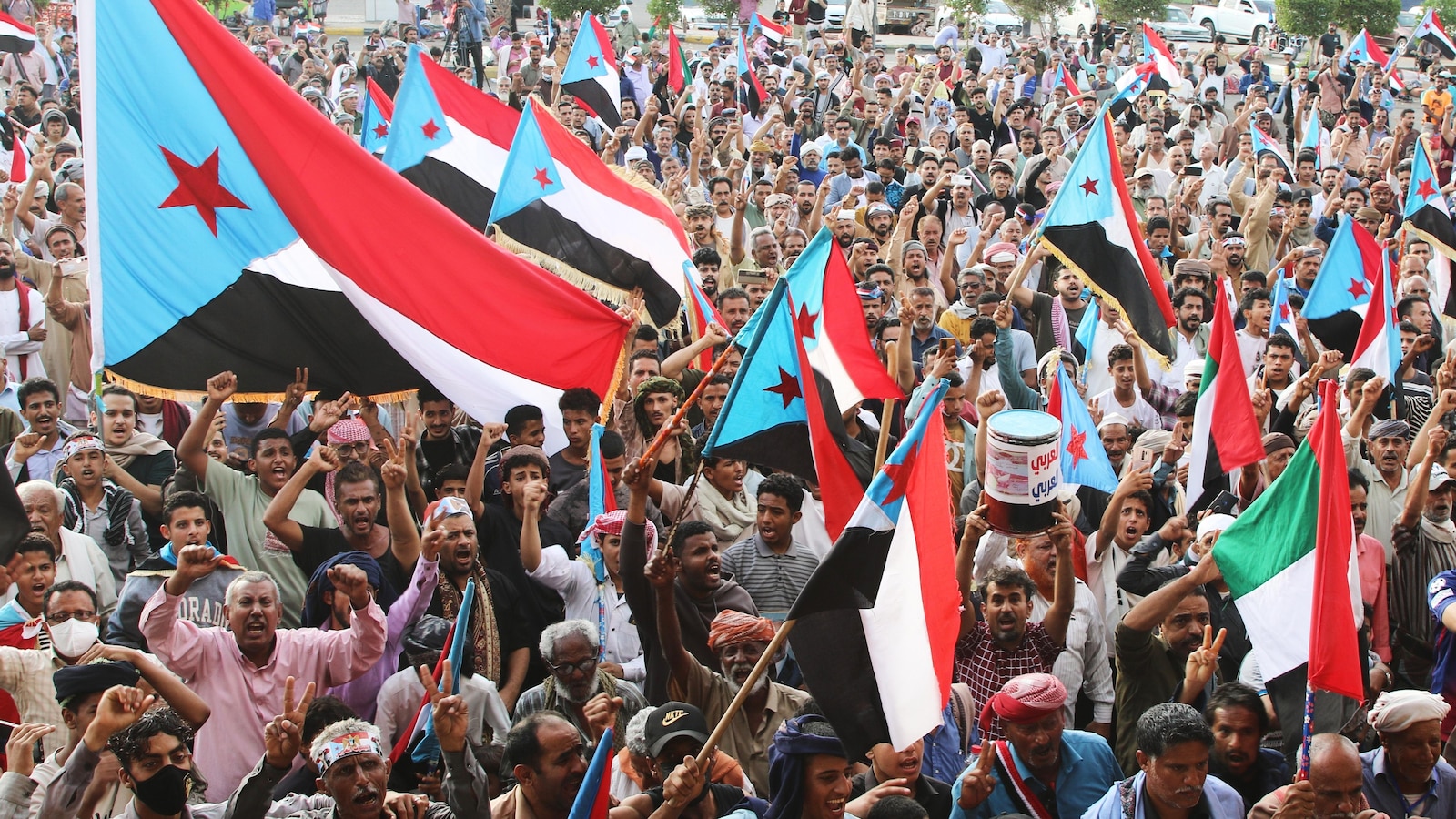
Recent escalations in Yemen are exposing deep fractures within the anti-Houthi coalition, raising concerns about the future of the countryS already complex conflict. A power struggle between Saudi Arabia, the United Arab Emirates (UAE), and various Yemeni factions is intensifying, threatening to derail efforts to find a lasting resolution.
The Spark: Control of Southern Yemen
The current tensions center around control of southern Yemen, particularly the strategically vital Hadramout and Aden regions.Col. Ahmed Baqatyan, a commander within the Hadramout Tribes Confederacy, justified recent strikes against the Barshid Brigade camp, operated by the Southern Transitional Council (STC), as a necessary move to secure the route to Aden. He explained that clearing the camp aimed to prevent the STC from regrouping and possibly attempting to recapture Mukalla.
Though,the STC,aligned with the Yemeni Transportation Ministry,swiftly condemned Saudi airstrikes targeting Seiyun’s international airport. they allege the strikes endanger critical infrastructure and hinder the resumption of commercial flights. This reciprocal accusation highlights the growing distrust between the parties.
Saudi Arabia Seeks Dialog
In response to a request from Rashad al-Alimi, head of Yemen’s Presidential Leadership Council, Saudi Arabia announced plans to host a conference in Riyadh. The goal is to bring together all southern factions to “discuss just solutions to the southern cause.” Details regarding the conference remain scarce, but the move signals a Saudi attempt to reassert its influence and mediate the escalating dispute.
Signs of a Broader Coalition Strain
Beyond the Saudi-STC friction, the anti-houthi coalition is showing other signs of strain. Clashes erupted Friday between National Shield forces and southern forces, along with their allies, in Hadramout, resulting in at least eight fatalities. These incidents underscore the fragility of the alliance and the potential for further fragmentation.
Past Roots of the Conflict
understanding the current situation requires looking back at the origins of the Saudi-UAE intervention in Yemen a decade ago. Initially, Saudi Arabia focused on controlling the mountainous region of Saada, while the UAE prioritized capturing Aden due to its strategic importance as a gateway to the red Sea.
However, the situation spiraled as the UAE-backed STC began seizing territory in Hadramout bordering Saudi Arabia.This expansion was perceived as a direct challenge to Saudi interests, crossing a critical “red line.”
According to political science professor Hilal Khashan, Saudi Arabia felt increasingly “held captive” between the Houthis in the north and the UAE in the south. Consequently, they decided to curb what they viewed as the UAE’s regional expansionism.
What This Means for You
These developments have significant implications for the future of Yemen and regional stability. You can expect:
* Increased instability: The fracturing of the anti-Houthi coalition could embolden the Houthis and prolong the conflict.
* Humanitarian concerns: Continued fighting will exacerbate the already dire humanitarian situation in Yemen.
* Geopolitical ramifications: The dispute between Saudi Arabia and the UAE could further complicate regional dynamics.
* Delayed peace talks: The lack of unity within the anti-Houthi camp will likely hinder efforts to reach a negotiated settlement.
Ultimately, resolving the conflict in Yemen requires a extensive approach that addresses the legitimate grievances of all parties involved. A genuine dialogue, facilitated by a neutral mediator, is essential to forging a path towards a sustainable peace. The upcoming Saudi-hosted conference represents a potential chance,but its success hinges on the willingness of all stakeholders to compromise and prioritize the needs of the Yemeni people.
Keep reading