Revitalizing Egypt’s Textile Industry: A Deep Dive into the national Progress Project
Egypt’s textile industry,a historical pillar of the nation’s economy,is undergoing a meaningful transformation. A national project focused on modernizing the textile industry is gaining momentum, fueled by strong governmental support and a vision to reclaim Egypt’s position as a leading global textile producer. This initiative isn’t merely about upgrading machinery; it’s a extensive overhaul encompassing infrastructure, technology, and workforce development, aiming to boost competitiveness in both domestic and international markets. Recent data from the Egyptian Textile Export Council indicates a 15% increase in textile exports in the first half of 2023, signaling a positive trend that this project aims to accelerate. But what exactly does this project entail,and how will it impact Egypt’s economic future?
the Cornerstone: Misr Spinning and Weaving Company
At the heart of this ambitious project lies Misr Spinning and Weaving Company in El Mahalla El Kubra. This historic company, a major employer in the Gharbia Governorate, represents a crucial test case for the national development plan. The modernization efforts aren’t limited to simply replacing old equipment. They involve a holistic approach, including:
* Infrastructure Upgrades: Modernizing factory buildings, improving utilities, and enhancing logistical capabilities.
* Technological Advancement: Implementing state-of-the-art spinning, weaving, and finishing technologies to improve product quality and efficiency.This includes exploring automation and Industry 4.0 solutions.
* Human Capital Development: Investing in training programs to upskill the workforce, equipping them with the knowledge and skills needed to operate and maintain the new technologies. This is vital for long-term sustainability.
* Sustainable Practices: Integrating environmentally friendly production methods to align with global sustainability standards and reduce the industry’s environmental footprint.
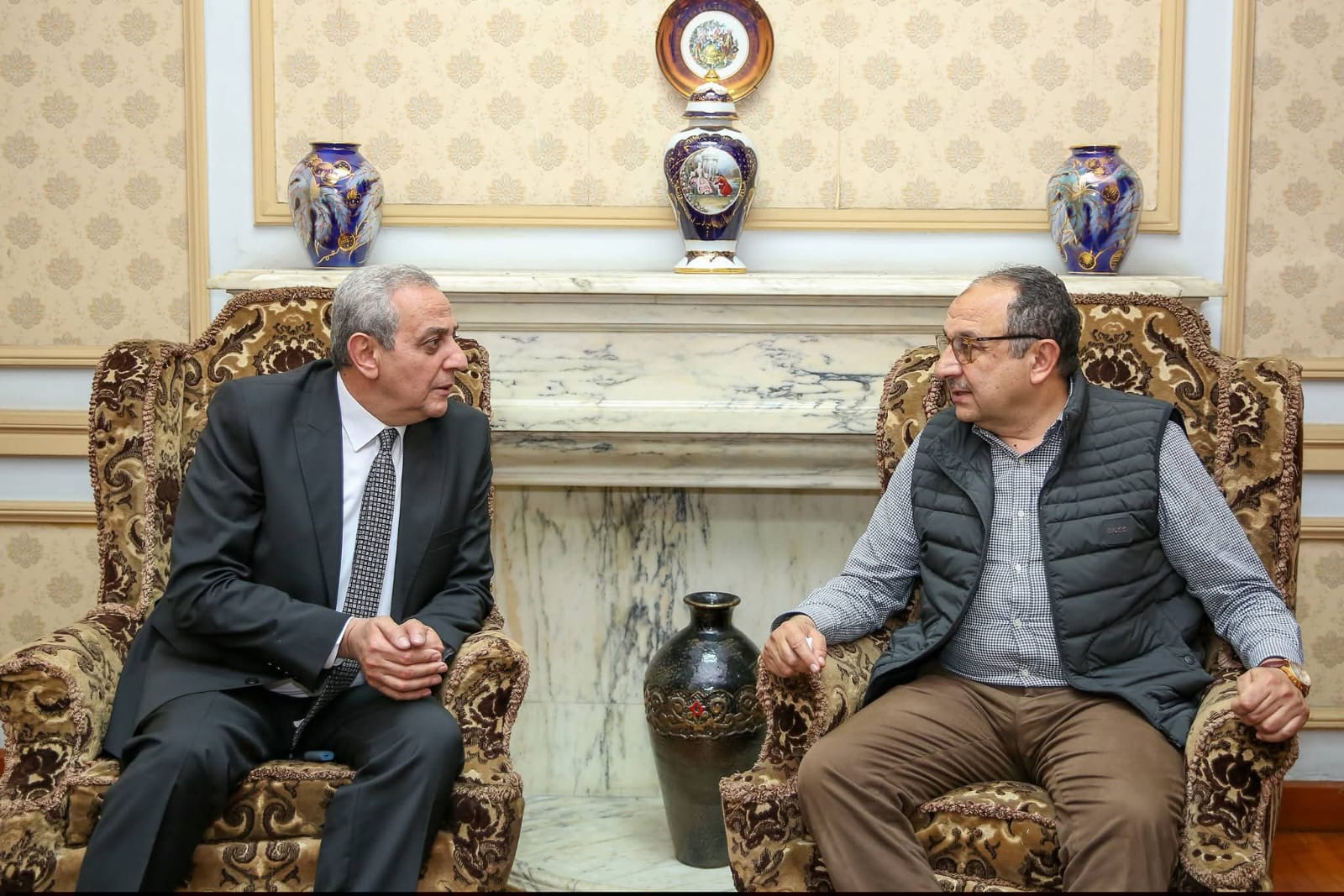
The recent visit by Minister of Public Enterprises Sector, Mohamed El-Shimy, and Governor of Gharbia, Ashraf El Gendy, to Misr Spinning and Weaving underscores the goverment’s commitment to closely monitoring the project’s progress and fostering collaboration between relevant stakeholders. This collaborative approach is essential for overcoming potential challenges and ensuring successful implementation.
Beyond Spinning and Weaving: A Holistic Development Vision
The scope of the national project extends far beyond the modernization of Misr spinning and Weaving. It encompasses a broader vision for integrated development within the Gharbia Governorate. This includes:
* Diversification of Assets: Utilizing existing assets owned by the Ministry of Public Enterprises Sector for new ventures,such as hotel,commercial,and administrative developments.
* Educational Partnerships: collaborating with the Ministry of Higher Education to establish an integrated university educational city, providing a pipeline of skilled graduates for the textile industry and other sectors.
* Ghazl El Mahalla Development: Revitalizing the Ghazl El Mahalla football club and its surrounding facilities, contributing to the social and economic well-being of the community.
* Investment Optimization: Improving the utilization of completed investments to maximize economic and social returns.
This integrated approach demonstrates a commitment to maximizing asset value and promoting sustainable development across the entire governorate. It’s a move away from siloed projects towards a more holistic and interconnected economic strategy.
Addressing Challenges and Future Outlook
While the national project holds immense promise, several challenges remain. These include securing sufficient funding, navigating bureaucratic hurdles, and ensuring the long-term sustainability of the modernized facilities. Furthermore, competition from other textile-producing countries, such as Vietnam and Bangladesh, remains fierce.
However, Egypt possesses several key advantages, including its strategic location, access to skilled labor, and the availability of high-quality cotton. the government’s commitment to supporting the textile manufacturing sector,coupled with the implementation of innovative technologies and sustainable practices,positions Egypt for success. The focus on garment manufacturing and value-added products will also be crucial for increasing export revenues.
The project’s success will also depend on attracting foreign direct investment (FDI) and fostering partnerships with international textile companies. A recent report by the World Bank highlights the potential for increased FDI in Egypt’s manufacturing sector, particularly in areas with strong government support and clear regulatory frameworks.[https://wwwworldbankorg/en/[https://wwwworldbankorg/en/[https://wwwworldbankorg/en/[https://wwwworldbankorg/en/
Worth a look