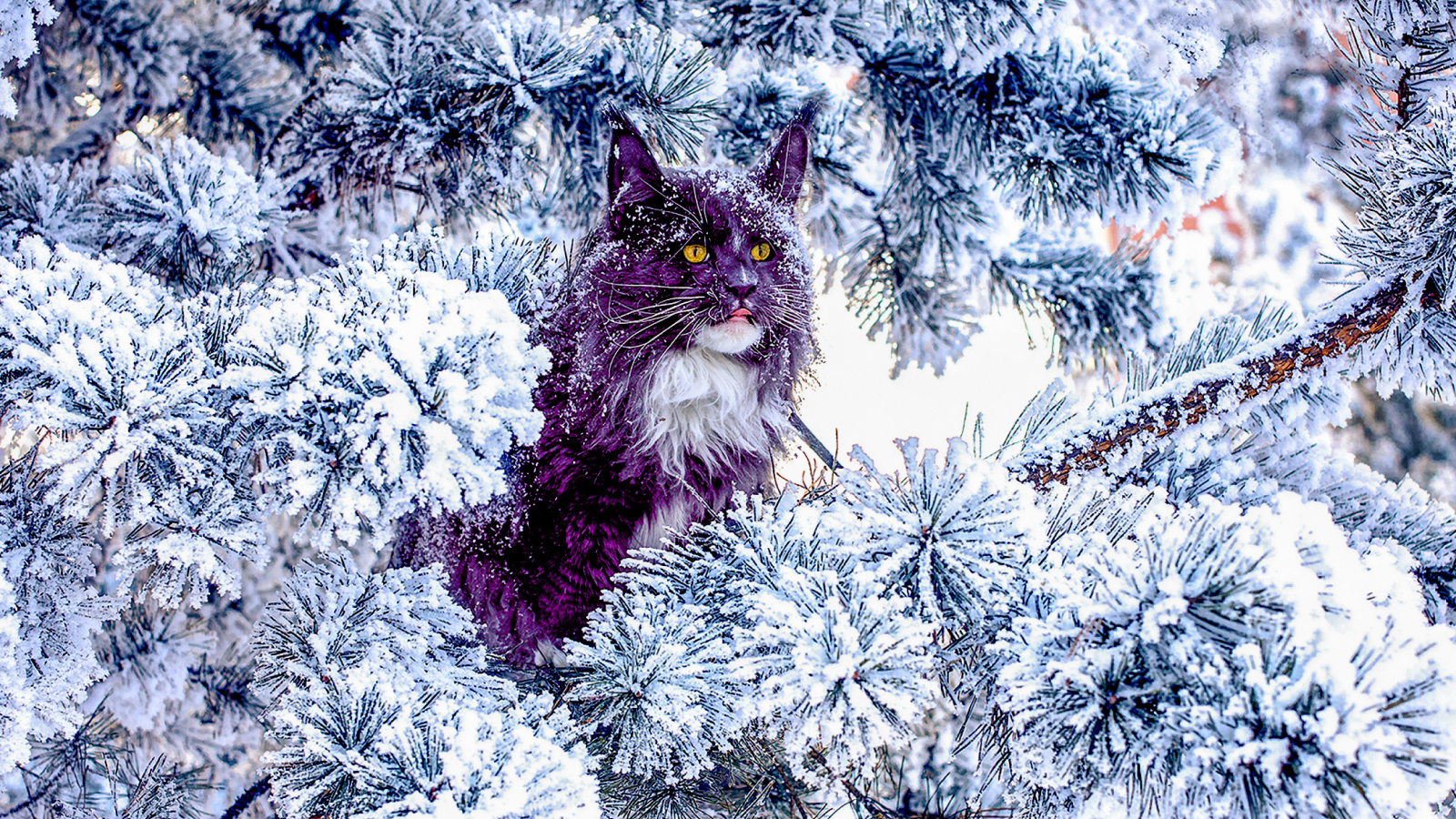
The Origins of Your Feline Friend: natural vs. bred Cat breeds
Have you ever wondered if your beloved cat breed developed naturally, or if human intervention played a role? It’s a surprisingly complex question, and the answer isn’t always straightforward. While some cat breeds did arise organically, nearly all have been shaped, to some degree, by selective breeding.
Let’s explore the fascinating history of cat breeds and uncover how “natural” they truly are.
What Does “Natural” Even Mean for a Cat Breed?
Generally, a “natural” breed refers to one that developed through environmental factors and natural selection, rather than purposeful human breeding programs. These cats adapted to specific regions, developing unique characteristics to survive and thrive. Think of it as evolution in action, but on a faster timescale.
However, even these seemingly untouched breeds haven’t been entirely immune to human influence. As cats became companions, even minimal human preference could subtly shift a breed’s characteristics over generations.
Examples of Breeds with Natural Origins
Several breeds boast a strong claim to natural development. Here are a few examples:
* Maine Coon: Originating in the harsh winters of Maine, these large, hardy cats developed thick fur and sizable paws for navigating snowy landscapes.
* Norwegian forest Cat: Similar to the Maine Coon, this breed adapted to a cold climate, sporting a water-resistant coat and strong climbing abilities.
* Siberian: Hailing from Russia, Siberians evolved a dense, triple coat to withstand frigid temperatures and a robust build for survival.
* Egyptian Mau: This striking breed, with its distinctive spotted coat, is believed to have ancient roots in Egypt, potentially descending from wild cats revered in ancient culture.
the Impact of Human Intervention
Even breeds with natural origins have experienced changes due to human influence. After World War II, for instance, the Russian Blue population dwindled. To prevent extinction, breeders strategically crossbred them with Siamese cats. This intervention saved the breed, but also altered its genetic makeup and appearance.
Today, breeders frequently enough focus on specific traits, leading to variations within a breed. You might find different ”types” of Russian Blues, each exhibiting slightly different characteristics. This is a direct result of artificial selection - humans choosing wich cats to breed based on desired traits.
Artificial Selection and Breed Standards
Consider the modern Maine Coon. While resembling the cats discovered in the 1800s,the size,jaw structure,and even the presence of polydactyl (extra toes) paws have been amplified through selective breeding. Breeders prioritize these traits, shaping the breed to meet popular preferences.
It’s a continuous cycle. Popularity drives changes in breed appearance, and new trends can shift the focus once again. This means that even “natural” breeds are constantly evolving under human guidance.
The Bottom Line
So, are there truly “natural” cat breeds? The answer is nuanced. While some breeds originated through natural selection, nearly all have been touched by human intervention. The traits you admire in your cat – whether it’s a Maine Coon’s impressive size or a Siberian’s luxurious coat – are likely the result of a combination of natural adaptation and deliberate breeding.
Ultimately, the beauty of cats lies in their diversity, a testament to both the power of nature and the enduring bond between humans and these fascinating creatures.