The Long fight for Reproductive Freedom: A Pioneer Reflects on 60 Years of Progress and Remaining Challenges
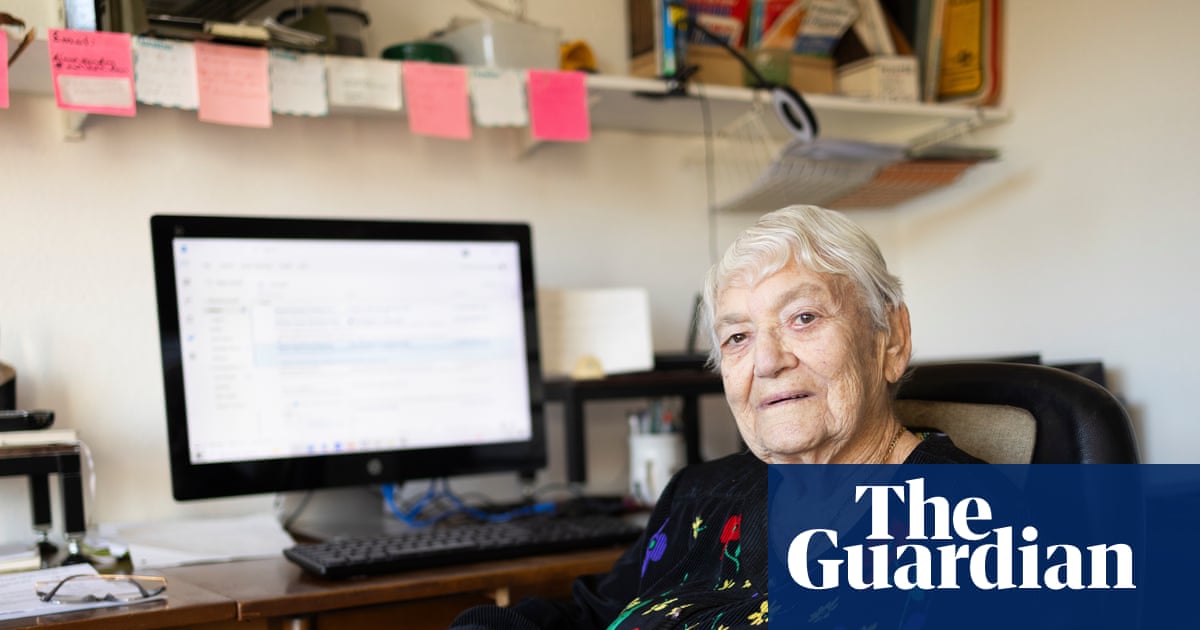
For over six decades, Diana Munday has been a tireless advocate for reproductive rights. Her journey began with a personal revelation and blossomed into a lifelong commitment to ensuring access to safe and legal abortion care. today, as abortion rights face renewed threats globally and even within the UK, Munday’s story offers both inspiration and a stark reminder of the work that remains.
A Silent Epidemic Revealed
In the early 1960s, abortion was illegal in Britain, shrouded in secrecy and shame. Munday discovered firsthand the extent of this hidden reality while speaking to women’s groups – the Women’s Institute, Rotary Clubs, and the Townswomen’s Guild – urging them to support law reform.
“I’d stand up and simply state I had an abortion,” Munday recalls. The response was overwhelming. Women, often for the first time, confided in her, revealing their own experiences. These were stories born of economic hardship, desperate circumstances, and a profound need for control over their own bodies.
* Many had kept their abortions secret for decades,sharing the burden only with their husbands.
* The common thread was silence – a societal taboo that forced women to suffer alone.
* Even mothers admitted to helping daughters or relatives through clandestine procedures.
This outpouring of confessions solidified Munday’s resolve. She realized the issue wasn’t about a few isolated cases, but a widespread need for safe, legal, and accessible abortion care.
Landmark Legislation and Lingering Restrictions
Munday’s advocacy contributed to the passage of the 1967 Abortion Act, a landmark achievement that decriminalized abortion under certain conditions. While a important step forward, it wasn’t the complete victory she envisioned.
“I raised a half glass of champagne on the terrace of Parliament,” she remembers. ”But I knew, even then, that the fight wasn’t over.”
Indeed, the current law still contains restrictions that Munday believes are unnecessary and harmful. Specifically, she points to the requirement of two doctors’ signatures to authorize an abortion.
“Parliamentarians need to get rid of these restrictions,” she asserts. “Abortion should be readily available, without undue barriers.”
Global concerns and Domestic Threats
Munday closely monitors developments in reproductive rights worldwide, especially the erosion of access in the united States. The 2022 overturning of Roe v Wade – the Supreme Court decision that had guaranteed federal constitutional protection for abortion rights – deeply concerns her.
“I always saw America as a ‘modern society’,” she says, “and to see it going backwards is hugely worrying.” She urges American women to actively fight for their reproductive freedoms.
Closer to home, Munday is wary of political figures like Nigel Farage, who have called for reducing the abortion time limit. She acknowledges the possibility of a shift in political power and the potential impact on reproductive rights.
Though, she finds hope in the increasing number of younger MPs. “I don’t think they’d see abortion rights restricted, because they woudl have grown up with it legal,” she explains.
Recent Progress and Future Hopes
Despite the ongoing challenges,Munday welcomes recent advancements,such as the October 2023 decision to make emergency contraception freely available across pharmacies in England.
“That is a big step forward,” she states.”Free access to the morning-after pill is a huge advance for women’s health.”
She also recognizes the efforts of MPs who are advocating for a new, modern abortion act that reflects 21st-century realities. while optimistic, she remains cautiously realistic.
“That was what I always aimed at from the early 1960s,” she concludes. “But I’m not very optimistic that it will happen in my lifetime.”
Diana Munday’s story is a testament to the power of individual advocacy and the enduring importance of fighting for reproductive freedom. her experience underscores that progress is never guaranteed and requires constant vigilance and dedication.
Resources:
* [NHS makes morning-after pill available for free across pharmacies in England](https://www.theguardian.com/society/2023/oct/29/nhs-makes-morning-after-pill-available-for-free
Keep reading
- Lawyers’ Pension Recalculation: Statute of Limitations Starts from the Admission Ruling
- Gut Microbiome and Cancer: How Intestinal Bacteria are Transforming Immunotherapy and Diagnosis
- SerpApi Accuses Reddit and Google of Restricting Access to Public Data (archyworldys.com)
- Dapagliflozin 10mg Medication Access: Reference Price System (world-today-news.com)