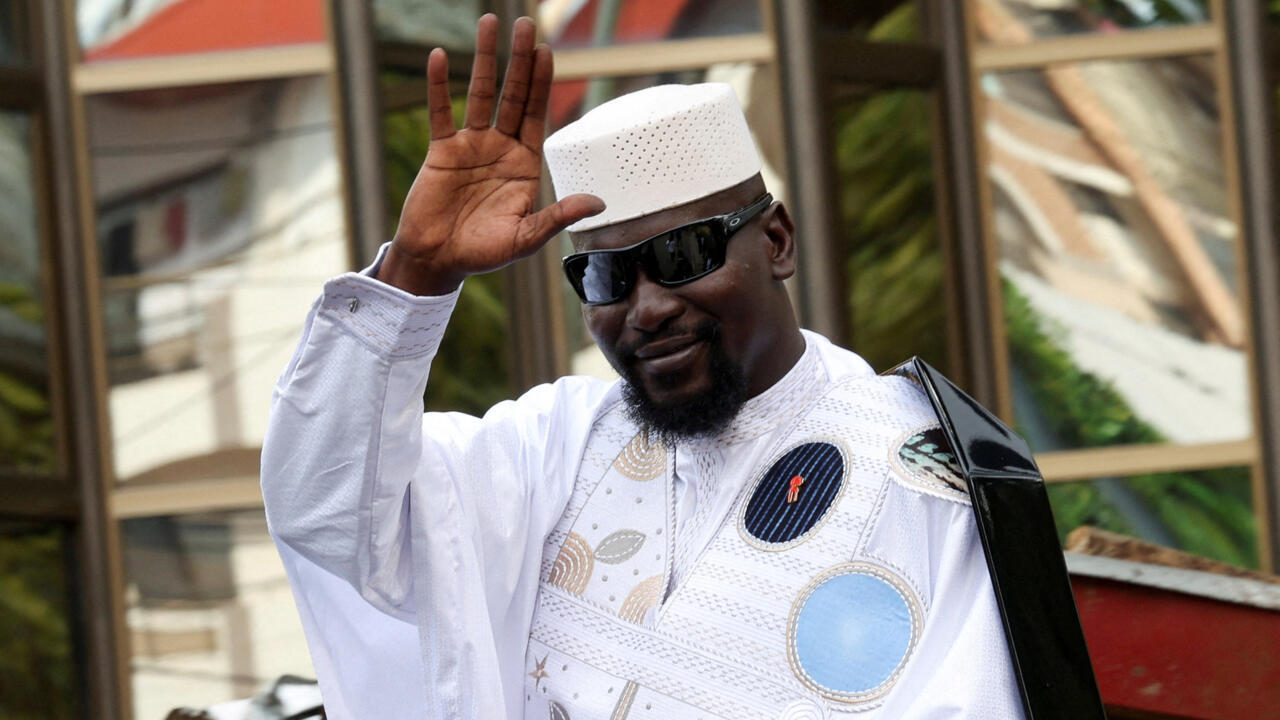
Guinea‘s Doumbouya Confirmed as President Following Disputed Election
Mamady Doumbouya has been officially declared the president of Guinea, securing a seven-year mandate following an election widely criticized for its lack of genuine opposition participation. The Constitutional Court confirmed Doumbouya won 86.72% of the vote in the recent poll, a result that solidifies his power following a 2021 military coup. Though, the election’s legitimacy remains deeply contested, raising concerns about the future of democracy in the west African nation.
A Contested Path to Power
Doumbouya initially seized power in September 2021, leading a coup that ousted Alpha conde, Guinea’s first freely elected president. This intervention followed widespread protests sparked by Conde’s controversial bid for a third term, and was initially met with public support due to the violent suppression of dissent under his leadership.
Initially, Doumbouya pledged a swift return to civilian rule, promising that no member of the military junta would contest any subsequent elections. He has as reversed course, consolidating his authority through constitutional changes and a crackdown on opposition voices.
Here’s a breakdown of key developments:
* Constitutional Changes: A new constitution,approved in a referendum,allowed junta members to run for office and extended presidential terms to seven years,renewable once.
* Suppression of Dissent: Opposition leaders were barred from running in the recent election, and many have faced arrest, exile, or legal challenges.
* Restrictions on Freedoms: Civil liberties have been curtailed, with protests banned and media outlets suspended.
Election results and Opposition Response
The election itself was marked by a significant absence of meaningful opposition. Leading opposition figures were prevented from running and called for a boycott, citing a lack of fair conditions. Abdoulaye Yero Balde,who secured 6.59% of the vote, initially challenged the results but later withdrew his complaint.
This outcome raises serious questions about the fairness and inclusivity of the electoral process. You might be wondering about the implications for Guinea’s political landscape.The lack of genuine competition suggests a continued erosion of democratic norms.
From Soldier to President: Doumbouya’s Change
Doumbouya’s journey from military leader to elected president has been a carefully orchestrated one. He transitioned from his signature camouflage fatigues to civilian attire in the lead-up to the vote, though always accompanied by members of the Special Forces Group he once commanded.
His rise reflects a broader trend of military figures assuming political control in West Africa, often capitalizing on public dissatisfaction with civilian governance. Though, this transition frequently enough comes at the cost of democratic principles and human rights.
Concerns for the Future
The international community has expressed concerns about the state of democracy in Guinea under Doumbouya’s rule.The suppression of dissent, restrictions on freedoms, and lack of a level playing field in the election are all worrying signs.
As you consider the situation, it’s important to remember that a stable and prosperous Guinea requires inclusive governance, respect for human rights, and a vibrant civil society. The current trajectory raises doubts about whether these conditions can be achieved under Doumbouya’s leadership.
Ultimately, the future of Guinea hinges on whether Doumbouya will prioritize genuine democratic reforms and address the underlying grievances that fueled the initial coup.The coming years will be critical in determining whether the nation can move towards a more just and equitable future.
Related reading