The Bangladesh-India Cricket Dispute: A Deep Dive into the IPL Ban and Rising Tensions
The recent decision by Bangladesh to ban broadcasts of the Indian Premier League (IPL) marks a notable escalation in a complex and increasingly strained relationship with India. This isn’t simply a sporting dispute; it’s a multifaceted issue rooted in political sensitivities,religious tensions,and the delicate balance of power between two South Asian nations. Understanding the nuances of this situation requires examining the events leading up to the ban, the implications for both countries, and the broader geopolitical context. This article provides an in-depth analysis of the IPL ban, its causes, and potential consequences, offering insights beyond the headlines.
The Spark: Mustafizur rahman and the Kolkata Knight Riders Controversy
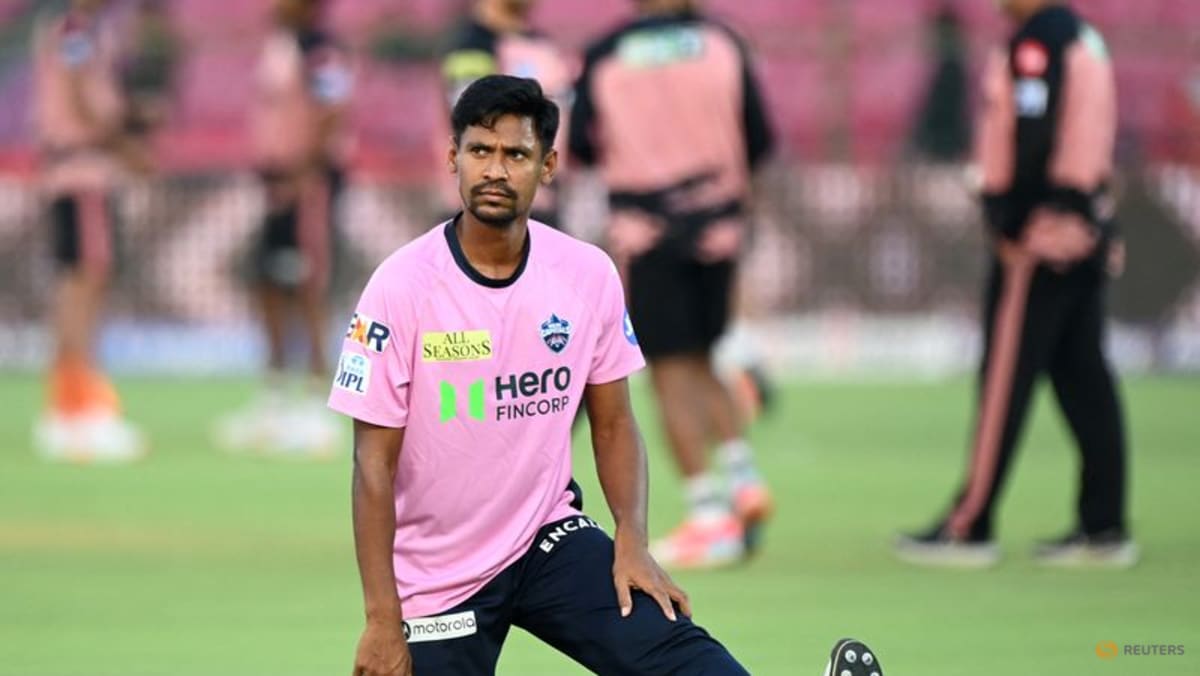
The immediate trigger for the ban was the Kolkata Knight Riders’ (KKR) decision to release Bangladeshi pace bowler Mustafizur Rahman from their IPL roster. Rahman had previously signed with the franchise for the 2024 season, and his removal came shortly after protests erupted in India following an incident in Bangladesh where a Hindu factory worker was accused of blasphemy. While the Board of Control for Cricket in India (BCCI) officially cited logistical reasons for the release, many in Bangladesh perceived it as a direct response to the protests and a form of retaliation.
Did You Know? Mustafizur Rahman is considered one of bangladesh’s most promising fast bowlers, known for his deceptive variations and ability to perform under pressure. His exclusion from the IPL was widely felt by Bangladeshi cricket fans.
This perceived injustice fueled public anger in Bangladesh, with many viewing the KKR’s decision as disrespectful and politically motivated. The Bangladeshi Ministry of Data and broadcasting,in its official statement,described the dropping of a “star player” like Rahman as “defying logic” and causing significant hurt. this sentiment laid the groundwork for the subsequent ban on IPL broadcasts.
Beyond Cricket: A History of Rising India-Bangladesh tensions
The IPL ban isn’t an isolated incident. It’s symptomatic of a broader trend of increasing tensions between India and Bangladesh in recent months. The incident involving the hindu factory worker in Mymensingh district, and the subsequent protests in India, served as a catalyst, but underlying issues have been simmering for some time. These include:
* Border Disputes: Long-standing disagreements over border demarcation and the treatment of border populations continue to be a source of friction.
* Water Sharing: The sharing of water resources from rivers like the Teesta is a contentious issue, with Bangladesh often feeling shortchanged.
* Trade Imbalance: A significant trade deficit in favor of India is a concern for Bangladesh, which seeks a more equitable economic relationship.
* Political Interference: Accusations of political interference in each other’s internal affairs have also contributed to the strained atmosphere.
Pro Tip: When analyzing international disputes, it’s crucial to look beyond the immediate trigger and consider the past context and underlying factors that contribute to the conflict.
The Twenty20 World Cup Standoff and ICC involvement
Adding another layer to the dispute, Bangladesh has requested that its matches in the upcoming Twenty20 World Cup, co-hosted by the US and the West Indies, not be played in India. instead, they have asked the International Cricket Council (ICC) to relocate their games to Sri Lanka. This demand further underscores Bangladesh’s dissatisfaction with the current situation and its willingness to take a firm stance.
As of January 5th, 2026, the ICC has not publicly responded to Bangladesh’s request. The ICC faces a delicate balancing act, needing to maintain neutrality while ensuring the smooth conduct of the tournament. A refusal to accommodate Bangladesh’s request could further escalate tensions.
Implications and Potential Consequences
The IPL ban and the World Cup standoff have significant implications for both countries:
* Economic Impact: The IPL is a major source of revenue for the BCCI and the franchises. A ban on broadcasts in Bangladesh represents a loss of viewership and advertising revenue.
* Diplomatic Fallout: The dispute has strained diplomatic relations between India and Bangladesh, perhaps hindering cooperation on other critically important issues.
* Impact on Cricket Relations: The future of cricket exchanges between the two countries is uncertain. The ban could lead to a cooling of relations and a reduction in bilateral cricket matches.
* Regional Instability: escalating tensions between India and Bangladesh could have wider regional implications, potentially affecting stability in South Asia.
Keep reading