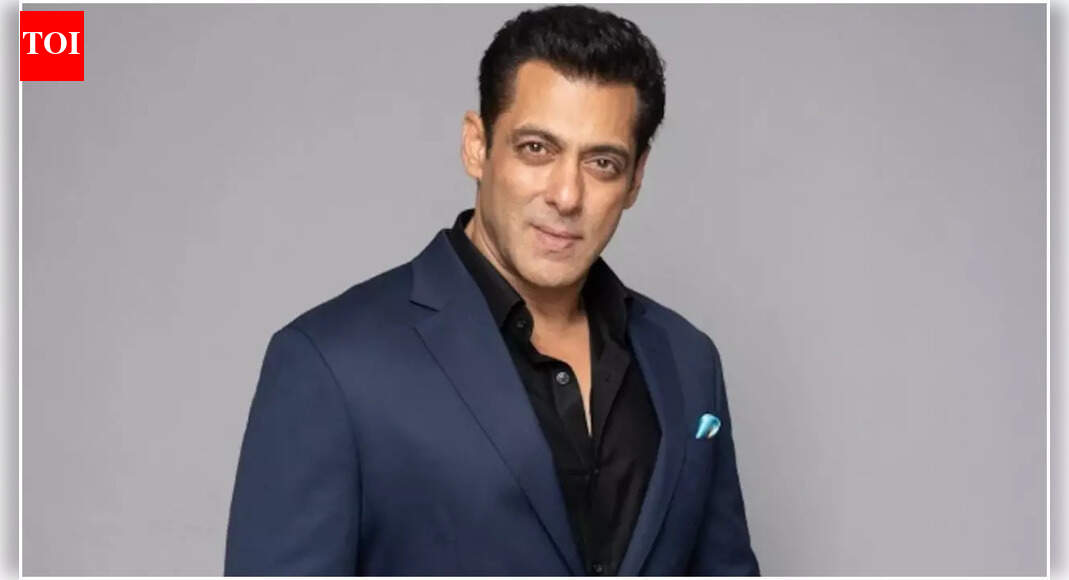
salman Khan: The Thoughtful Choices Behind His iconic Roles & Why He Passed on ‘devdas’ and ‘Baazigar’
Salman Khan is a Bollywood icon, but beyond the box office numbers and charismatic screen presence lies a deeply considered approach to his craft. In a revealing throwback interview, Khan detailed his meticulous process for selecting roles, emphasizing the profound impact they can have – particularly on younger audiences. He wasn’t bothered by being passed over for Sanjay Leela Bhansali’s devdas, and openly discussed why he turned down roles like the iconic villain in Baazigar.
This isn’t about ego; it’s about responsibility. Khan consistently prioritizes projects that deliver a positive message, a commitment that shapes his career choices. Let’s delve into the reasoning behind his decisions and what they reveal about his values.
Why No Hard Feelings About ‘Devdas’?
When asked about not being cast in Devdas after successful collaborations with Bhansali on Khamoshi and Hum Dil De Chuke Sanam, Khan’s response was surprisingly gracious. He simply stated he doesn’t want to portray characters that could negatively influence the younger generation.
This highlights a core principle guiding his work: Khan isn’t just an entertainer, he sees himself as a potential role model. He understands the power of cinema and the responsibility that comes with it.
The Weight of Influence: The ‘Radhe’ Example
Khan’s concern for his audience extends beyond avoiding overtly negative characters. He even issued a cautionary note regarding his own portrayal of Radhe in Tere Naam.
He explicitly urged viewers not to emulate Radhe’s destructive actions, but instead to learn from his mistakes. This demonstrates a rare level of self-awareness and a genuine desire to use his platform for good. He wants you to be entertained,but also to think critically about the narratives you consume.
Turning Down ‘Baazigar’: A Conscious Decision
The decision to decline Baazigar is perhaps the most striking example of Khan’s principled approach. While the role ultimately launched Shah Rukh Khan to superstardom, Salman Khan felt it didn’t align with his values.
He explained his reluctance to portray characters who glorify impulsive, tragic acts, particularly those involving self-harm. He believes that once someone reaches a breaking point, there’s often no turning back.Khan actively avoids roles that could inadvertently romanticize such desperate situations.
Here’s a breakdown of his reasoning:
* Focus on Positive Messaging: He prioritizes roles that inspire and uplift.
* Avoiding Glorification of Negative Behavior: He steers clear of characters whose actions could be misinterpreted or emulated.
* Responsibility to the Audience: He recognizes the influence he has,especially on young people.
* Promoting Thoughtful consideration: He wants his films to spark conversation and encourage critical thinking.
what’s Next for Salman Khan?
Currently, Salman Khan is gearing up for Battle of Galwan, a film directed by Apoorva Lakhia, co-starring Chitrangda Singh.The film,based on a real-life military conflict,is slated for release in April.
Despite the recent performance of sikander, Khan remains a force in bollywood. His commitment to thoughtful role selection suggests he’ll continue to choose projects that resonate with his values and, hopefully, inspire his audience.
Ultimately, Salman khan’s career isn’t just about entertainment; it’s about making conscious choices that reflect his understanding of the power – and responsibility – of being a public figure. He’s a seasoned actor who understands the lasting impact of the stories he tells, and that’s a quality that sets him apart.
Keep reading