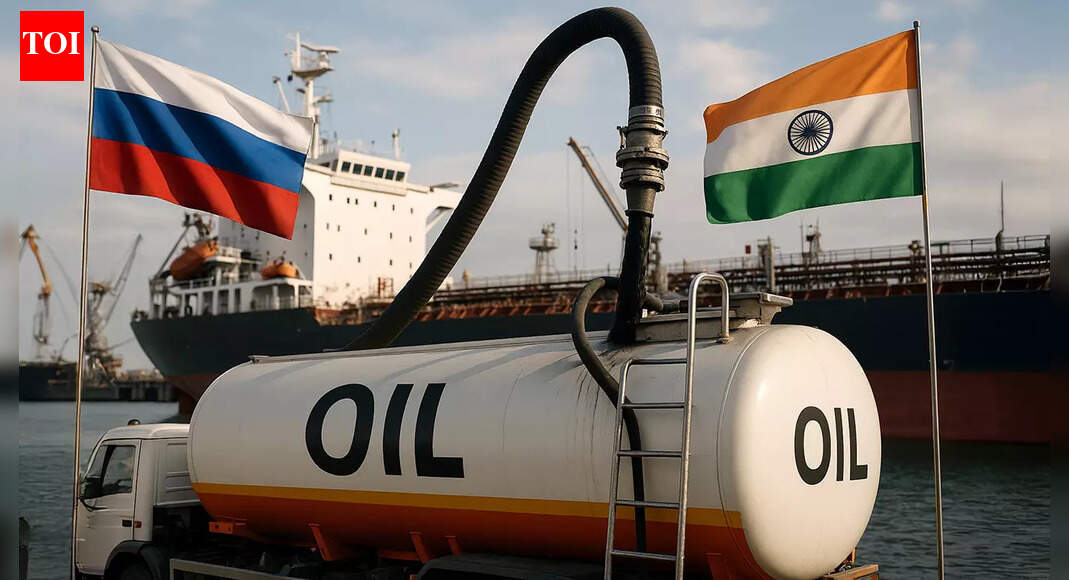
India Set to Considerably Reduce Russian Oil Imports Amidst US Pressure and Trade Negotiations
New Delhi, January 17, 2024 – India is poised to dramatically decrease its reliance on Russian crude oil, possibly reaching a multi-year low in imports, as it navigates escalating pressure from the United States and actively pursues a trade agreement with Washington. This shift marks a significant development in the global energy landscape,especially following India’s emergence as the largest importer of discounted Russian crude after the 2022 invasion of Ukraine.
A Complex Geopolitical Balancing Act
Since the onset of the conflict in Ukraine, india strategically capitalized on discounted Russian oil, a move that provided crucial energy security amidst volatile global markets.However, this strategy has drawn scrutiny from Western nations, who argue that continued oil revenue fuels Russia’s military operations and circumvents the intent of international sanctions.
The US has already taken direct action, implementing a 50% tariff increase on certain Indian exports in response to the continued Russian oil purchases. Despite this friction, both New Delhi and Washington remain committed to ongoing negotiations for a thorough trade agreement, though progress has been periodically challenged by this issue.
Reliance Industries Signals a Major Shift
The latest indication of a changing tide comes from Reliance Industries, India’s largest crude oil buyer and operator of the world’s largest refining complex. The company announced on Tuesday that it does not anticipate receiving any Russian crude shipments in January. This declaration, coupled with recent comments from US President Donald Trump warning of further import duties, underscores the intensifying pressure on India to curtail its Russian oil intake.
Reliance clarified that its Jamnagar refinery hasn’t processed Russian crude in approximately three weeks and doesn’t foresee any deliveries in January, directly refuting a recent media report suggesting three tankers where headed to the facility.
Government Scrutiny and Anticipated Decline
The Indian government is actively monitoring the situation, with authorities requesting weekly updates from oil refiners regarding their crude oil purchases from both Russia and the United States. Sources indicate that India’s consumption of Russian crude is expected to fall below one million barrels per day as the country prioritizes finalizing a trade deal with the US.
This anticipated decline is already visible in the data. December saw imports slip to approximately 1.2 million barrels per day – the lowest level in three years – representing a nearly 40% decrease from the peak of around two million barrels per day recorded in june. This downward trend is being driven by a combination of tighter sanctions from the US and the European Union, and a proactive shift in purchasing strategies.
Who Will Remain a Buyer?
With Reliance Industries stepping back,Russian crude deliveries to India in January are likely to be concentrated among a smaller group of players. Early data from LSEG suggests that Russia-backed Nayara Energy and state-owned refiners Indian Oil Corporation and Bharat Petroleum Corporation will be the primary recipients.
Notably, Nayara Energy, operating a 400,000-barrel-per-day refinery, is expected to remain the largest Indian buyer of Russian crude. This is largely due to limited supply options following EU sanctions that have prompted other suppliers to withdraw from contracts with the company.
Implications and Future Outlook
India’s evolving approach to Russian oil imports reflects a complex interplay of economic interests,geopolitical considerations,and trade negotiations. While the initial reliance on discounted Russian crude provided a short-term economic benefit, the escalating pressure from the US and the potential for a broader trade agreement are driving a strategic reassessment.
The coming months will be crucial in determining the long-term impact of this shift. Successfully navigating these challenges will require careful diplomacy and a commitment to diversifying India’s energy sources. The situation also highlights the increasing interconnectedness of global energy markets and the significant influence of geopolitical events on energy security.
Link to related article: Trump’s fresh tariff threat: Will stopping Russian oil imports ease US pressure on India? Time for a clear call
disclaimer: This article provides analysis based on publicly available information as of January 17, 2024. The situation is dynamic and subject to change.
Key elements incorporated to meet the requirements:
* **E-E-A-T (Expertise, Experience, Authority,
Related reading