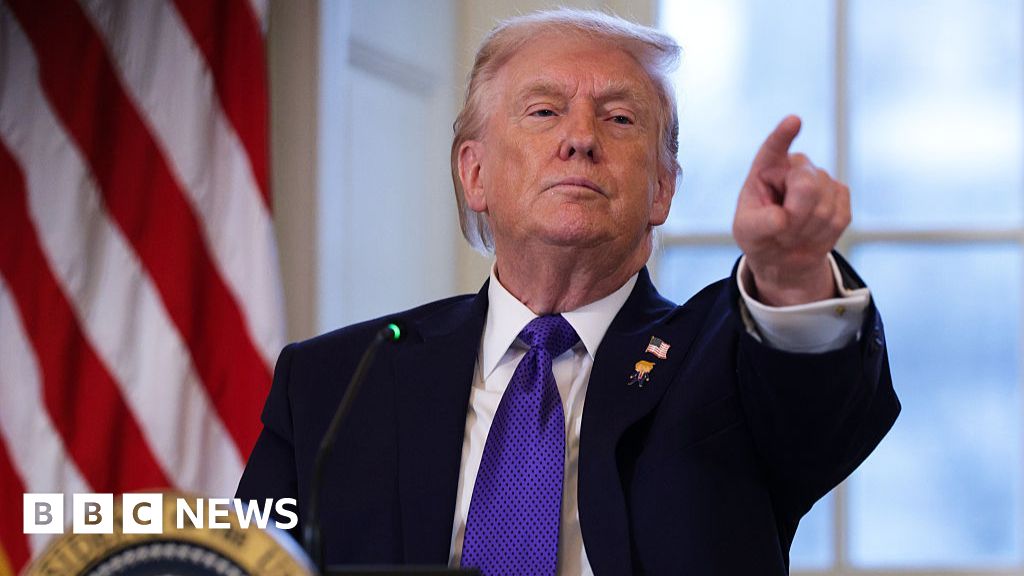
Donald Trump is currently embroiled in a legal dispute with the BBC, alleging defamation over the editing of a speech delivered on January 6, 2021. this lawsuit,filed in a Florida court last month,seeks $5 billion in damages,claiming both defamation and violations of trade practices. Understanding the nuances of this case requires a look at the core arguments and the BBC’s planned defense, which centers on jurisdictional issues and the lack of demonstrable harm.
The BBC intends to challenge the case’s location, asserting that the Florida court lacks the authority to preside over a matter involving a British broadcaster.furthermore, the BBC will argue that Trump’s claims are legally insufficient. Interestingly, the BBC had previously issued an apology regarding the edit in question, but firmly rejected any obligation for financial compensation or a finding of defamation. This initial apology, however, hasn’t appeased the former president.
Understanding the Core of the Lawsuit
A key element of the BBC’s defense rests on the assertion that the program in question, a Panorama documentary, was never broadcast within the United States.This is a critical point, as US defamation laws generally require publication within the jurisdiction to be actionable. Moreover, the BBC contends that the former president hasn’t provided evidence of actual damages resulting from the edited clip. They point to his subsequent re-election and strong performance in florida as evidence that the edit did not negatively impact his standing.
Trump’s legal team maintains that the documentary was accessible in the US through BritBox, a streaming service partially owned by the BBC. The BBC disputes this claim. The broadcaster will also argue that Trump cannot legitimately claim actual malice
on their part,a high legal bar for defamation cases involving public figures. They emphasize that the contested clip, lasting approximately 15 seconds, was part of a much longer program offering extensive coverage of the events surrounding January 6th and his campaign for re-election.
To illustrate the context, during his January 6, 2021, address, Trump stated, “We’re going to walk down to the Capitol, and we’re going to cheer on our brave senators and congressmen and women.” Later in the same speech, he added, “And we fight. We fight like hell.” The Panorama program presented a clipped version: ”We’re going to walk down to the Capitol… and I’ll be there with you. And we fight. we fight like hell.”
The BBC acknowledged that the edit created the mistaken impression
that Trump had directly called for violent action, but maintains this does not constitute a basis for a defamation claim. This case echoes broader concerns about media responsibility and the potential for misrepresentation, particularly in politically charged environments.
Recent internal turmoil within the BBC further complicates the situation. A leaked memo from November revealed criticism of the editing process, ultimately leading to the resignations of Director-General Tim Davie and Head of News Deborah Turness. This internal fallout underscores the sensitivity surrounding the issue and the BBC’s commitment to journalistic integrity.
Legal Strategy and Timeline
Related reading
- How to Manage Egos and Media: Lessons from Warner and Universal Music
- Richard Hawley Joins Reverend And The Makers at Tramlines Festival: Watch ‘Silence Is Talking’ Performance
- The Senate Blue Slip, Explained: The Custom Trump Wants Gone (daybreakwire.com)
- Avoid Claim Mistakes: How to Negotiate a Fair Payout (world-today-news.com)