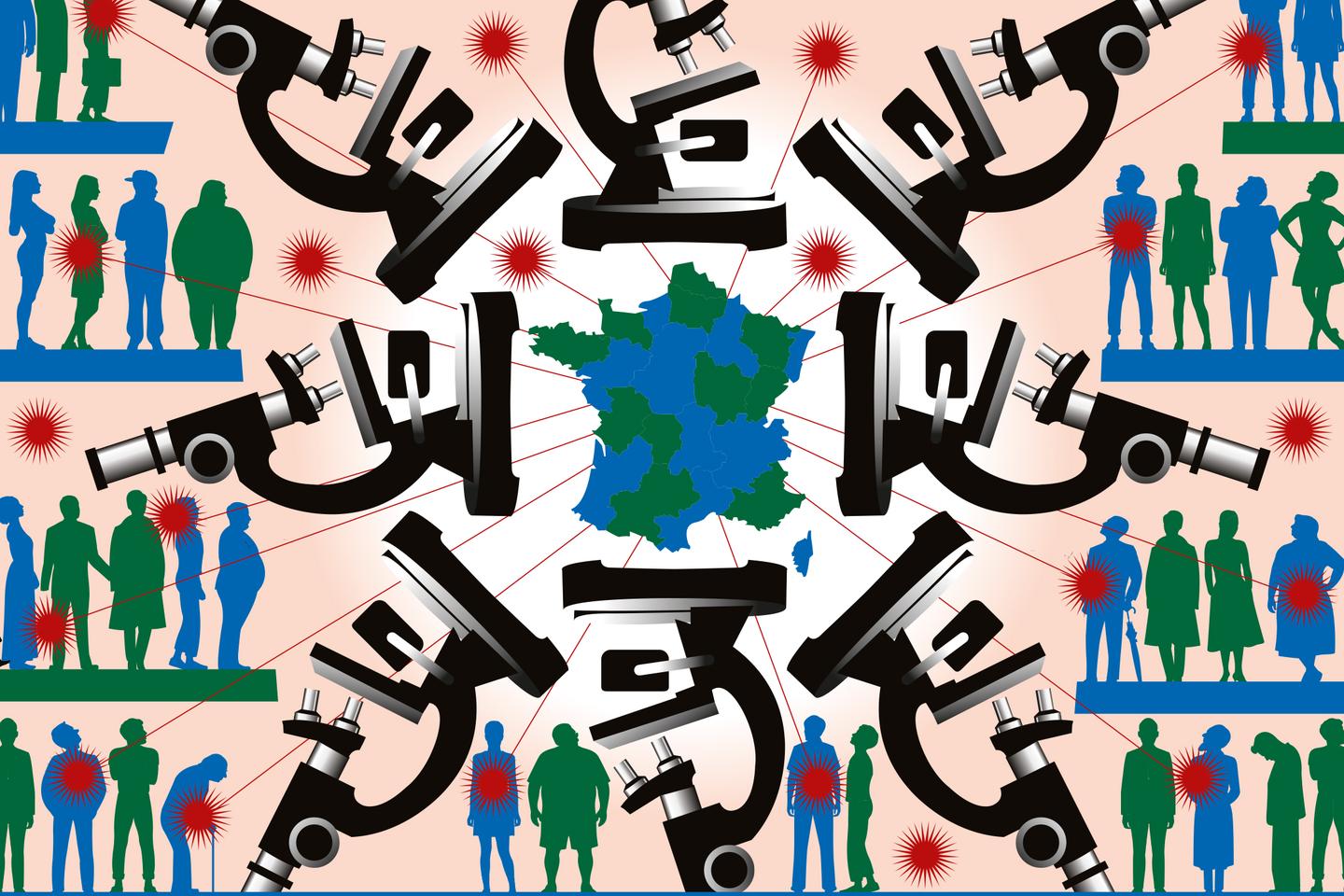
Understanding cancer, the leading cause of death in France, is paramount to improving prevention and treatment strategies.A new national cancer registry aims to achieve this goal. Following the enactment of legislation governing this new system on June 30, 2025, a decree implementing the details was published just in time on December 28th in the Journal officiel, with the system going live on January 1, 2026.
This development marks the culmination of a legislative process initiated in 2023, paving the way for years of work to fully implement the registry. While healthcare professionals generally applaud this initiative, concerns are being raised regarding the funding required to consolidate data from a multitude of diverse sources.
The Current Landscape of Cancer Epidemiology in France
Currently, data on cancer epidemiology in France – encompassing incidence, prevalence, and mortality rates – relies on estimations.The collection of this crucial data is entrusted to Francim, a network comprising 29 local registries and two pediatric registries, which conduct thorough data collection within their respective regions.
However, these registries are located in only 28 of France’s 101 departments, covering approximately 24% of the French population. This leaves significant gaps,excluding densely populated areas like the Île-de-France region,and areas with heightened exposure risks,such as those surrounding Seveso sites-locations housing perhaps hazardous substances that may contribute to tumor development.
Did You Know? According to the latest figures from Santé Publique France (November 2025), an estimated 380,000 new cancer cases are diagnosed in France each year, and cancer is responsible for nearly 160,000 deaths annually.
What the New National Registry Will Change
The establishment of a national cancer registry represents a significant shift in how France approaches cancer data collection and analysis.
it promises to provide a more comprehensive and accurate picture of cancer patterns across the country, enabling more targeted prevention efforts and improved patient care.
I’ve found that a centralized registry will allow researchers to identify trends, assess the effectiveness of screening programs, and monitor the impact of environmental factors on cancer rates with greater precision.
Here’s what works best when building a robust registry: standardized data collection protocols, secure data management systems, and ongoing collaboration between healthcare providers, researchers, and public health officials.
Pro Tip: Stay informed about the latest developments in cancer research and prevention by regularly visiting the websites of reputable