“`html
The critical Role of Healthcare Doors in Infection Control and Facility Durability
In modern healthcare facilities, maintaining a sterile and durable environment is paramount.Beyond advanced medical equipment and rigorous cleaning protocols, the very infrastructure of these buildings plays a vital role. Specifically, healthcare doors are engineered to meet unique demands, contributing significantly to hygiene, patient safety, and long-term cost efficiency. This article explores the features, benefits, and options available in specialized healthcare door systems.
The Importance of Hygienic Door Design
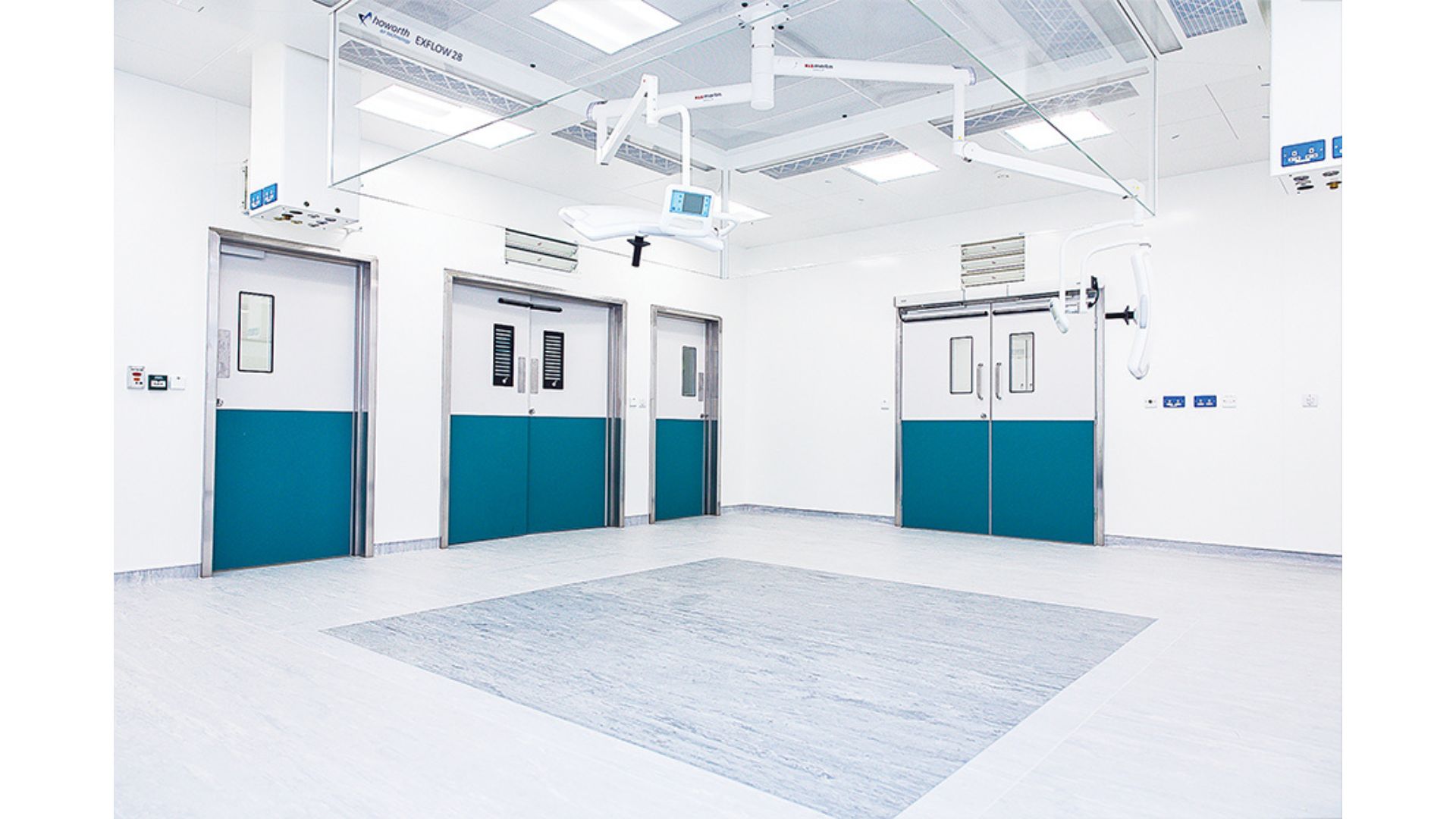
Conventional doors can harbor bacteria and are arduous to thoroughly clean, presenting a potential source of healthcare-associated infections (HAIs). Healthcare doors, like those manufactured by Dortek, address this challenge through innovative design and materials. These doors are typically constructed from seamless, non-porous Fiber Reinforced Polymer (FRP) materials. This construction eliminates ledges and voids where microorganisms can accumulate,simplifying cleaning and disinfection procedures.
The seamless nature of FRP doors is a key advantage.Unlike doors with frames or intricate molding, there are no crevices for bacteria to hide. This contributes to a more effective infection control strategy, particularly in critical areas like:
- Operating Theatres
- Intensive Care Units (ICUs)
- Isolation Rooms
- Patient Wards
Durability and Lifecycle Cost Savings
Healthcare facilities experience high traffic and require frequent cleaning with harsh chemicals. Standard doors often suffer damage from this wear and tear, leading to costly repairs or replacements. Healthcare doors are engineered for exceptional durability. FRP materials are resistant to:
- Water
- Chemicals
- Impact
- Corrosion
- Denting and Warping
This resilience translates to reduced lifecycle costs. Fewer repairs and a longer lifespan mean healthcare providers can allocate resources to patient care rather than facility maintenance.
Specialized Healthcare Door Options
Beyond basic hygiene and durability,healthcare doors offer a range of specialized features to meet specific clinical needs. These include:
Fire-Rated Doors
Patient safety is paramount, and fire-rated doors are essential for containing fires and providing safe evacuation routes. These doors are rigorously tested to meet stringent fire safety standards.
Hermetically Sealing Doors
In environments requiring strict air pressure control, such as operating rooms and laboratories, hermetically sealing doors prevent the exchange of air between rooms. This maintains a sterile environment and minimizes the risk of contamination.
Automated Doors
Automated doors enhance accessibility and reduce the risk of spreading infection by minimizing hand contact. They are particularly useful in high-traffic areas and for patients with limited mobility.
X-Ray and Lead-Lined Doors
Radiology departments require specialized doors that shield against radiation exposure. X-ray and lead-lined doors provide the necessary protection for both patients and staff.
The Future of Healthcare Door Technology
Ongoing advancements in materials science and engineering continue to improve healthcare door technology.Expect to see further innovations in antimicrobial coatings, smart door systems with integrated sensors, and more lasting materials. These developments will contribute to even safer, more efficient, and more resilient healthcare facilities.
Keep reading