Massive Under-Invoicing and Alleged Money Laundering Plague Sindh Solar Energy Project
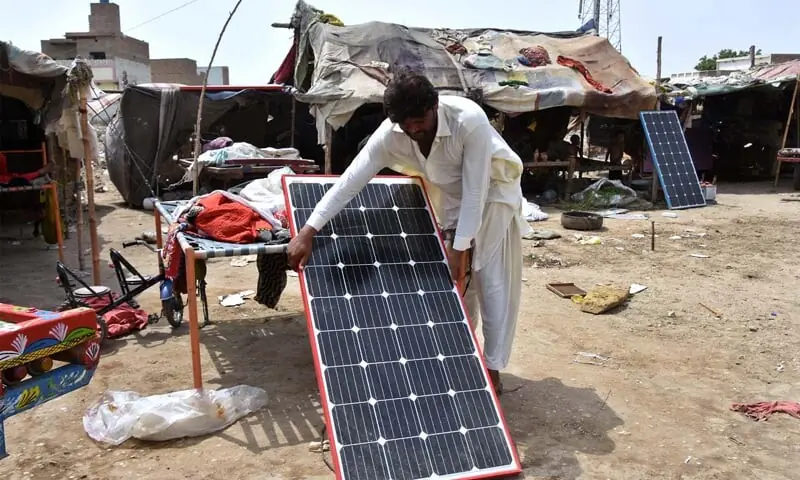
Islamabad – A parliamentary committee has uncovered notable irregularities in the import of solar home systems under the Sindh Solar Energy Project (SSEP), pointing to widespread under-invoicing, potential tax evasion, and suspected trade-based money laundering. The revelations, presented by the Federal Board of Revenue (FBR) to the Senate standing Committee on Economic Affairs, have triggered investigations and raised concerns about accountability.
The core of the issue centers around a significant discrepancy between the declared value of imported solar kits and the actual payments made. Contractors reportedly declared the value of these kits between $16 and $23.4 per unit for tax purposes. Though, the World Bank, which funded the SSEP, made payments of up to $112.44 per unit – a staggering 700% higher. This difference amounts to $89 to $96 per unit, suggesting a deliberate effort to minimize tax liabilities and possibly funnel funds illicitly.
Investigations are currently underway, focusing on allegations of trade-based money laundering, tax evasion, fund layering, and violations of foreign exchange regulations. The FBR report specifically highlighted the activities of M/s Beyond Green, a Karachi-based importer, which brought in 200,968 solar home system units between December 2024 and July 2025. These imports were cleared under HS Codes 8501.7210 and 8501.711, benefiting from zero customs duty and income tax, alongside reduced sales tax rates. Notably, four of the consignments were processed through the Green Channel, indicating a streamlined clearance process.
Subsequent verification revealed that the goods declarations (GDs) submitted to the Sindh government were either falsified or tampered with. Evidence suggests the same kits were then supplied to the Sindh government at significantly inflated prices. Contracts with shenzhen LEMI Technology Development Co Ltd of China confirm a contractual price of approximately $112.44 per kit, a figure directly paid by the world Bank.
The FBR has identified $12.5 million in potentially fraudulent invoices and uncovered evidence of third-party remittances routed through entities based in the United Arab Emirates, further fueling suspicions of money laundering and foreign exchange violations. The case has been referred for prosecution under the Anti-Money Laundering Act of 2010, and a extensive sales tax audit has been recommended.
adding to the complexity, approximately 30,000 solar kits out of the initial 200,000 imported could not be distributed within the SSEP’s original timeframe and are now subject to a separate arrangement. Both the Sindh cabinet and the National Accountability Bureau (NAB) have initiated investigations, with a forensic audit already underway.
The Senate committee expressed strong dissatisfaction with the lack of accountability, questioning the absence of suspensions of suspected officials. Chairman Saifullah Abro directed a letter be sent to the Chief Minister of Sindh to ensure those involved are held responsible.
Furthermore, the committee sharply criticized the repeated absence of Minister for Economic Affairs Ahad Khan Cheema and senior provincial bureaucrats from committee meetings. Concerns were raised about a potential disregard for parliamentary oversight, with warnings issued regarding the potential cancellation of committee membership for repeated unexcused absences. The committee also postponed agenda items related to Khyber Pakhtunkhwa projects due to the presence of junior provincial officials, demanding the attendance of provincial secretaries at future meetings.
Keywords: Sindh Solar Energy Project, SSEP, Trade-Based Money Laundering, Tax Evasion, Under-Invoicing, World Bank, FBR, Pakistan, Corruption, Financial Crime, Solar Kits, Anti-Money Laundering Act.
Related reading