“:Aerobic Exercise Linked to Younger Brains, Study Finds
Maintaining brain health is a lifelong pursuit, and recent research from the AdventHealth research Institute offers a promising avenue for achieving this goal. A new study indicates that consistent engagement in aerobic exercise may help preserve a more youthful biological age for the brain, perhaps bolstering cognitive function, memory, and overall mental wellness.
The study revealed that adults who adhered to a year-long aerobic exercise regimen exhibited brain structures that appeared nearly one year younger compared to their counterparts who maintained their usual activity levels.
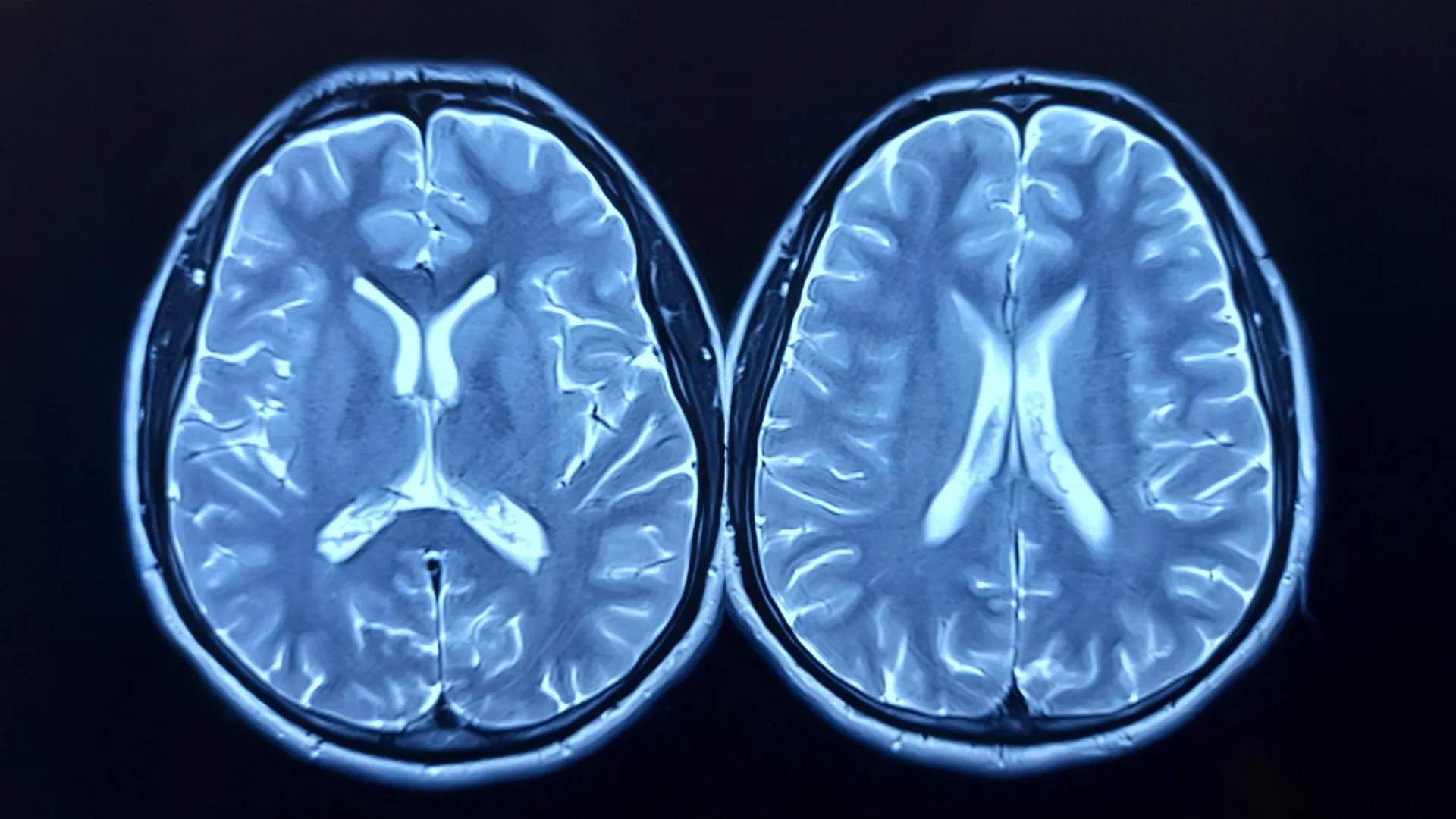
Measuring Brain Age with MRI Technology
The research, published in the Journal of Sport and Health Science, investigated the potential of regular aerobic exercise to decelerate or even reverse “brain age.” This concept of brain age is quantified using magnetic resonance imaging (MRI), wich assesses the brain’s apparent age relative to a person’s chronological age.A higher brain-predicted age difference (brain-PAD) signifies an older-appearing brain, and previous research has correlated this measure with diminished physical and cognitive capabilities, as well as an increased risk of mortality.
“We discovered that a straightforward, guideline-based exercise program can demonstrably reduce brain age within just 12 months,” stated Dr.Lu Wan,the lead author and a data scientist at the AdventHealth Research Institute. “many individuals are concerned about safeguarding their brain health as thay age. Studies like this provide encouraging guidance rooted in everyday habits. While the changes observed were modest, even a one-year shift in brain age could have meaningful implications over the decades.”
Details of the Year-Long Exercise Trial
the clinical trial involved 130 healthy adults aged between 26 and 58. Participants were randomly assigned to either a moderate-to-vigorous aerobic exercise group or a control group maintaining their usual routines. The exercise group participated in two supervised 60-minute workouts weekly, supplemented by home-based exercise to reach approximately 150 minutes of aerobic activity per week - aligning with the physical activity recommendations of the American College of Sports Medicine.
Researchers utilized MRI scans to measure brain structure and assessed cardiorespiratory fitness through peak oxygen uptake (VO2peak) at the study’s commencement and conclusion.
Exercise demonstrates a Correlation with a Younger-Looking Brain
Following the year-long intervention, distinct differences emerged between the groups. Participants in the exercise group exhibited a measurable decrease in brain age, while the control group showed a slight increase. The exercise group’s brain-PAD decreased by approximately 0.6 years on average, indicating a younger brain age at the study’s end. Conversely, the control group’s brains appeared about 0.35 years older, a change that was not statistically significant. Direct comparison revealed a nearly one-year gap in favor of the exercise group.
“Even though the difference is less than a year, prior research suggests that each additional ‘year’ of brain age is associated with meaningful differences in later-life health,” explained Dr. Kirk I. erickson, senior author of the study, a neuroscientist, and director at AdventHealth Research Institute and the University of Pittsburgh. “From a lifespan perspective, steering the brain in a younger direction during midlife could be profoundly important.”
Unraveling the Mechanisms: Why Exercise Impacts Brain Aging
To explore the mechanisms behind exercise’s influence on brain age,the research team examined several potential factors,including changes in physical fitness,body composition,blood pressure,and levels of brain-derived neurotrophic factor (BDNF),a protein crucial for brain plasticity.While fitness levels improved with exercise, none of these factors fully explained the observed reduction in brain-PAD.
“That was a surprise,” Wan noted. “We anticipated that improvements in fitness or blood pressure would account for the effect,but they didn’t. Exercise might potentially be acting through additional mechanisms we haven’t yet identified, such as subtle changes in brain structure, inflammation, vascular health, or other molecular factors.”
Targeting Midlife for Long-Term Brain Health
Much of the existing research on exercise and brain health focuses on older adults, after age-related changes are already well-established. This trial adopted a different approach by focusing on individuals in early to mid-adulthood, where brain changes are subtler, but preventative measures may yield greater long-term benefits.
“Intervening in the 30s, 40s, and 50s gives us a head start,” Erickson said. “If we can slow brain aging before major problems arise,we may be able to delay or reduce the risk of cognitive decline and dementia later in life.”
Implications for Future Research and Practice
The authors emphasize that the study involved healthy, well-educated participants and that the observed changes in brain age were modest. They advocate for larger studies and longer follow-up periods to determine whether these reductions in brain-PAD translate into lower risks of stroke, dementia, or other brain-related diseases.
“People often ask, ‘Is there anything I can do now to protect my brain later?'” Erickson said. “Our findings support the notion that adhering to current exercise guidelines - 150 minutes per week of moderate-to-vigorous aerobic activity – may help maintain a biologically younger brain, even during midlife.”
About the Researchers
Dr. Lu Wan is a Data Scientist at AdventHealth, specializing in brain aging, physical activity, and cognitive health. Dr. Kirk I. Erickson is the Director of Translational Neuroscience at the AdventHealth Research Institute, focusing on the impact of physical activity on brain health throughout life.
The study was funded by the National Institutes of Health (Grant P01 HL040962).