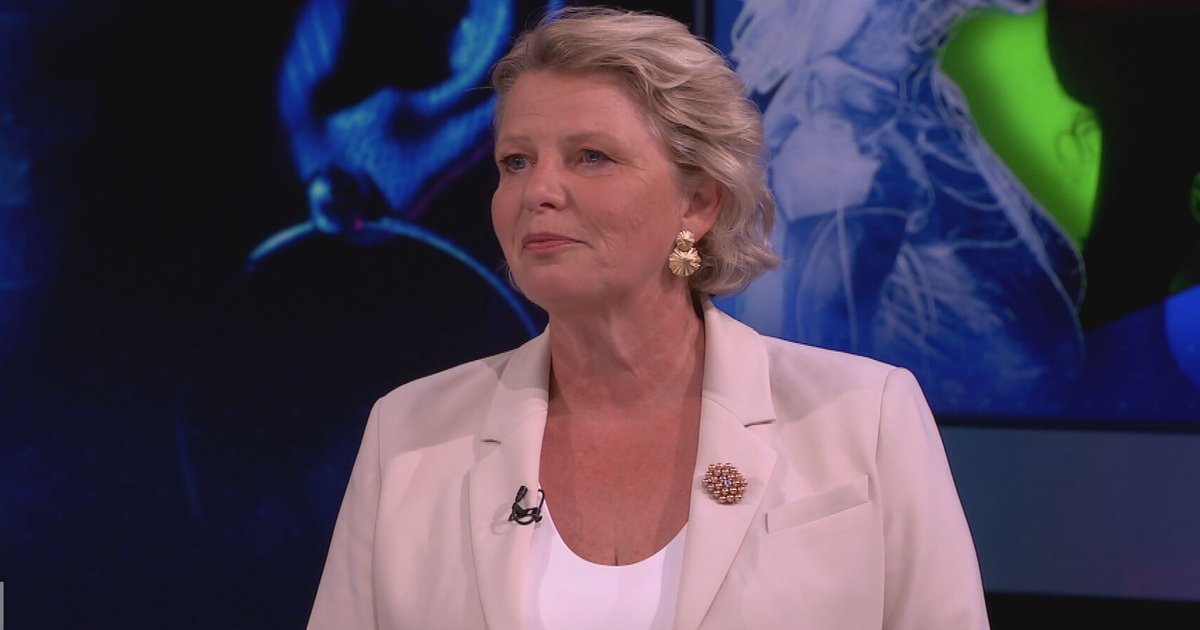
A year after the Netherlands launched its National Strategy for Women’s Health, critics say no measurable progress has been made, with the minister responsible for the initiative reportedly downplaying the urgency of the issue. The strategy, introduced in 2023, aimed to address systemic gaps in healthcare access, mental health support, and preventive care for women. However, recent assessments by public health experts and advocacy groups suggest the plan remains underdeveloped, with key targets unmet.
According to a report by the Dutch National Institute for Public Health and the Environment (RIVM), women’s health outcomes in areas such as reproductive care and mental health have stagnated since the strategy’s implementation. “There’s a clear disconnect between policy goals and on-the-ground realities,” said Dr. Anke van den Berg, a public health researcher at the University of Leiden. “Without concrete metrics or timelines, it’s difficult to assess whether the strategy is achieving its objectives.”
Minister’s Response Sparks Debate
The Ministry of Health, Welfare, and Sport (VWS) has defended the strategy, emphasizing its long-term focus. Minister Rob Jetten stated in a June 2024 press conference that the plan “requires patience and systemic change, not quick fixes.” However, this stance has drawn criticism from women’s rights organizations. “Patience is not an excuse for inaction,” said Liesbeth van der Meer, CEO of the Dutch Women’s Health Association. “Women are waiting for tangible results, not vague promises.”
Documents obtained through a public records request reveal that the ministry has allocated €25 million to the initiative in its first year. Yet, funding has been redirected to other priorities, according to internal memos cited by investigative outlet NRC Handelsblad. The ministry declined to comment on the specifics of budget allocations.
Key Challenges in Implementation
The RIVM report highlights several barriers to progress. One major issue is the lack of standardized data collection across regional healthcare providers. “Without consistent reporting, it’s impossible to track improvements or identify gaps,” the report states. Another challenge is the shortage of specialized healthcare professionals, particularly in rural areas. The Netherlands has 12% fewer female gynecologists per capita than the EU average, according to the European Health Policy Network.
Advocacy groups also point to the strategy’s narrow focus. While it addresses reproductive health and mental health, it excludes broader social determinants such as workplace discrimination and socioeconomic disparities. “Healthcare reform can’t succeed without tackling these root causes,” said Dr. Martijn van Dijk, a sociologist at Erasmus University Rotterdam.
Public and Political Reactions
The lack of progress has sparked growing public frustration. A 2024 survey by the Dutch Research Council (NWO) found that 68% of women believe the government is not doing enough to improve healthcare access. The issue has also gained traction in parliament, with opposition parties calling for a parliamentary inquiry. “This isn’t just a health issue—it’s a matter of gender equality,” said MP Sophie Jansen of the Green Left party.
The VWS has acknowledged some shortcomings but maintains the strategy is “on track.” A spokesperson noted that new guidelines for mental health support are set to launch in 2025, though critics argue this delay undermines the plan’s credibility. “We’re running out of time,” said van der Meer. “Every month of inaction costs lives.”
Next Steps and Accountability
The RIVM has scheduled a review of the strategy’s implementation for early 2025. The ministry has also pledged to publish an updated progress report by December 2024. However, without independent oversight or binding targets, many fear the initiative will remain a symbolic effort rather than a transformative one.
For now, women’s health advocates are pushing for transparency and accountability. “The government must stop treating this as a political football and start treating it as a public health emergency,” said van den Berg. As the next review approaches, the pressure on policymakers to deliver measurable results is mounting.
Next Checkpoint: The RIVM’s 2025 review of the National Strategy for Women’s Health. Call to Action: Share your perspective on women’s healthcare challenges in the Netherlands. What solutions would you prioritize? Join the conversation below.
Worth a look