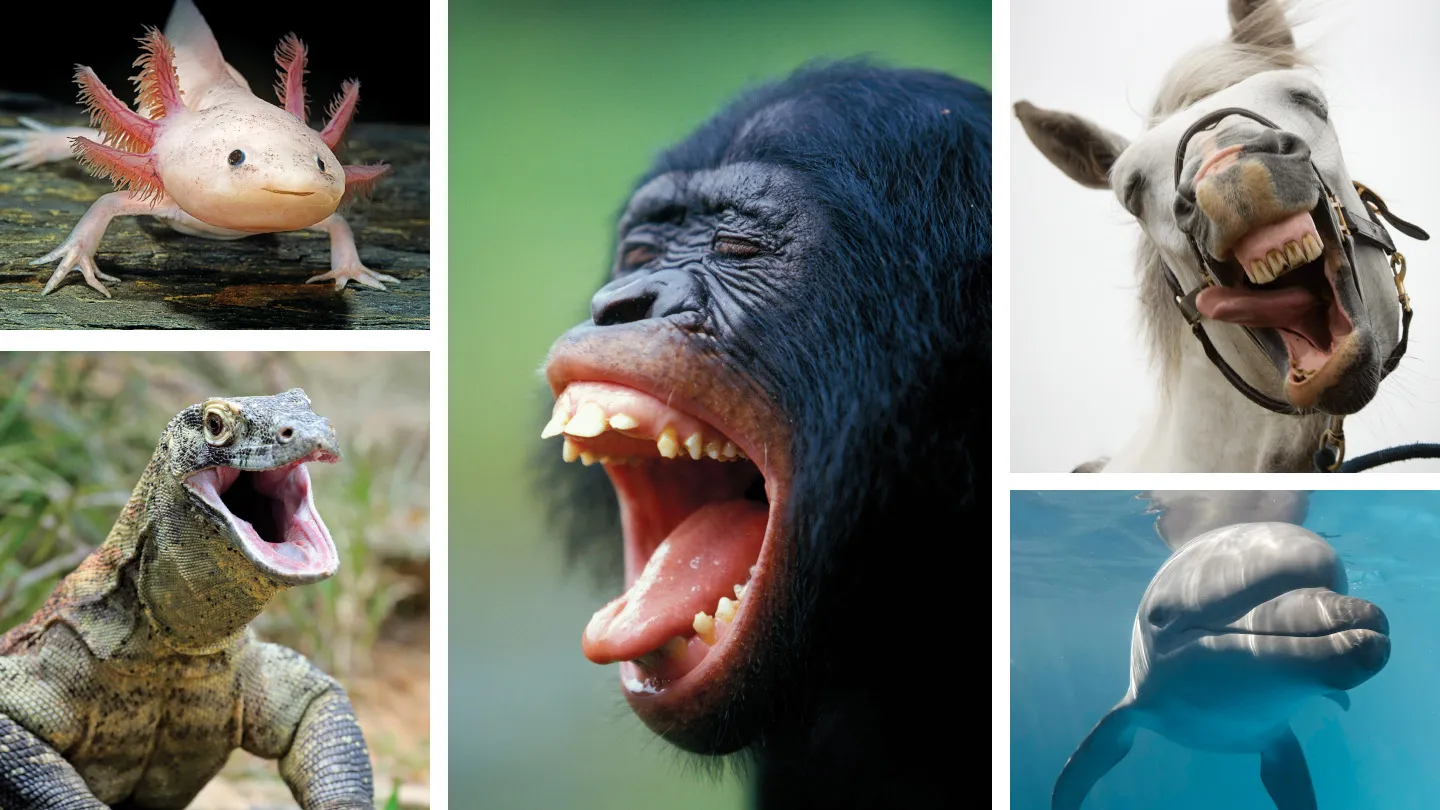
The Science of Happiness: Exploring Joy and Optimism in Animals
Primary Topic: Animal Emotion & Cognition
Primary Keyword: Animal Joy
Secondary Keywords: Animal Cognition, Animal Welfare, Positive Emotions, Cognitive Bias, Optimism in Animals, emotional Contagion, Play Behavior, Neuroscience of Emotion, Comparative Psychology.
The study of animal emotions has long been hampered by the difficulty of objectively measuring subjective experiences. However, recent research is revealing that joy and optimism aren’t uniquely human feelings. Scientists are increasingly finding evidence of positive emotional states in a diverse range of species, from primates and dolphins to rats and birds, challenging long-held assumptions about the animal kingdom.
A key area of investigation centers around “cognitive bias,” a concept borrowed from human psychology. Originally explored in relation to human mental health, cognitive bias refers to how an animal’s emotional state influences its interpretation of ambiguous situations. Researchers, like Harding, paul, and Mendl (2004), demonstrated that animals in a negative emotional state tend to interpret ambiguous cues as threatening, while those in a positive state are more likely to view them optimistically. This is assessed through tests where animals are trained to associate a certain cue with a reward, and then presented with ambiguous cues – their response indicates their underlying emotional state. Košťál, Skalná, and Pichová (2020) have explored using cognitive bias as a tool to assess welfare in poultry, highlighting its practical applications.
Intriguingly, evidence suggests that positive emotions can be contagious among animals. Schwing et al. (2017) observed emotional contagion in New Zealand parrots, demonstrating that positive interactions can spread through a group. Similarly,recent work by Winkler et al. (2025) shows that bonobos exhibit more optimistic behavior after hearing laughter, suggesting a form of emotional mirroring.
The neurological basis for these emotions is also being investigated.Studies on dolphins (Ridgway et al., 2014) have linked “victory squeals” – vocalizations emitted during triumphant tasks – to dopamine activation in the brain, a neurotransmitter associated with reward and pleasure (Dibble, Van alstyne & Ridgway, 2016). Furthermore, research on rats reveals that tickling stimulates reward pathways in the adolescent brain (Burgdorf & Panksepp, 2001), and even “laughing” rats demonstrate optimistic behavior (Rygula, Pluta & Popik, 2012; Reinhold et al., 2019). Play behavior, particularly observed in dolphins (Janik, 2015), is also considered a strong indicator of positive emotional experience.
Nelson et al. (2023) emphasize the importance of developing robust methodologies to investigate joy in non-human animals, acknowledging the complexities of studying subjective experiences across species. Understanding the presence and function of joy in animals not only deepens our understanding of the evolution of emotions but also has meaningful implications for animal welfare, prompting a re-evaluation of how we interact with and care for othre species.
Worth a look