“`html
Berlin, Germany – January 29, 2026 – Germany’s statutory health insurance (GKV) and social long-term care insurance (SPV) systems are facing meaningful financial challenges, prompting calls for substantial reforms from the Association of Replacement Funds (vdek). The vdek is urging for stricter alignment of expenditures with revenue and improved management of healthcare provision to address growing deficits.
Financial Pressures on German Health and Care Insurance
The GKV is projected to reach a record expenditure level of approximately €370 billion in 2026, while the SPV is expected to be burdened with around €80 billion in costs. These figures highlight the increasing strain on the German social insurance system. recent increases in contribution rates for the GKV, averaging 3.13% as of early 2026, have drawn attention to the need for systemic changes. This rate is double what it was just three years prior, according to the vdek. vdek
GKV Contribution Rate Increases and Projected Deficits
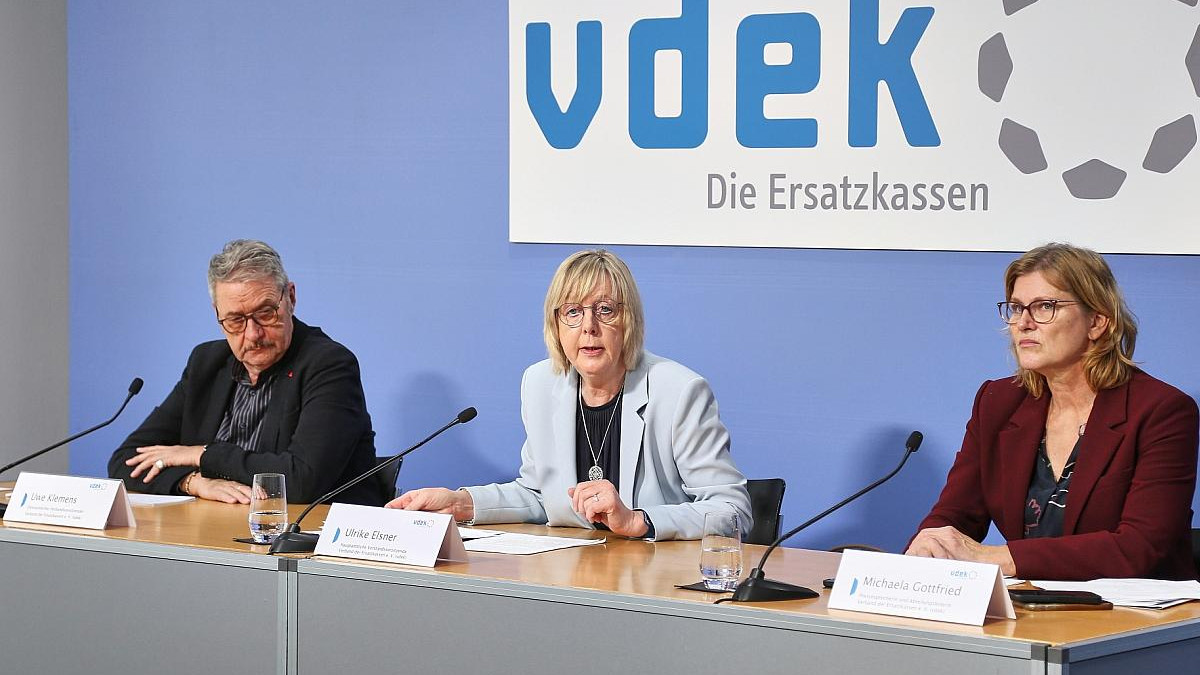
Ulrike Elsner of the vdek emphasized that the contribution rate hikes have served as a wake-up call. Without comprehensive reforms,a funding gap exceeding €10 billion is anticipated for 2027. The vdek has proposed ten key demands, including capping hospital care budgets within the long-term care system and reducing the value-added tax (VAT) on pharmaceuticals. German Federal Ministry of Health
SPV Facing Similar challenges
The SPV is also under immense financial pressure. Uwe Klemens, honorary chairman of the vdek, stated that loans were necessary to maintain the contribution rate at its current level in 2026. Though, a further funding gap of 0.3 contribution percentage points is expected in 2027. The vdek is advocating for the government to offset existing federal debt to the SPV with the loans provided to the fund. Federal Statistical Office of Germany
Key Demands from the vdek
The vdek’s proposals aim to address both short-term financial issues and long-term sustainability concerns.Key demands include:
- Capping Hospital Care Budgets: Controlling costs within the hospital sector, particularly related to long-term care.
- VAT Reduction on Pharmaceuticals: Lowering the value-added tax on medicines to make them more affordable.
- Strengthening Societal Responsibility: Increasing broader societal contributions to financing services not traditionally covered by insurance.
- Debt Relief for SPV: Offsetting federal debt to the SPV with government loans.
Underlying Factors Contributing to the Crisis
Several factors contribute to the financial strain on the GKV and SPV:
- Aging Population: Germany, like manny European nations, has an aging population, leading to increased demand for healthcare and long-term care services.
- Rising Healthcare Costs: Advances in medical technology and pharmaceuticals,while
Related reading