“`html
Why Cancer and Alzheimer’s Rarely Co-Occur: A Promising Link
For years, doctors have observed a curious phenomenon: individuals rarely develop both cancer and Alzheimer’s disease together. Recent research is beginning to unravel this mystery,pointing to a protein called cystatin C as a potential key player in protecting against Alzheimer’s advancement in cancer patients. This article explores the latest findings and what they mean for future therapies.
the Protective Role of Cystatin C
Cancer cells release a variety of proteins, and one in particular, cystatin C, has garnered significant attention. Studies suggest this protein can cross the blood-brain barrier and interact with amyloid plaques – a hallmark of Alzheimer’s disease – possibly reducing their formation. Dr. Charles Ramassamy, a specialist in Alzheimer’s disease at the National Research Institute Scientific (INRS), explains that cystatin C appears to actively degrade these abnormal protein deposits in the brain. INRS
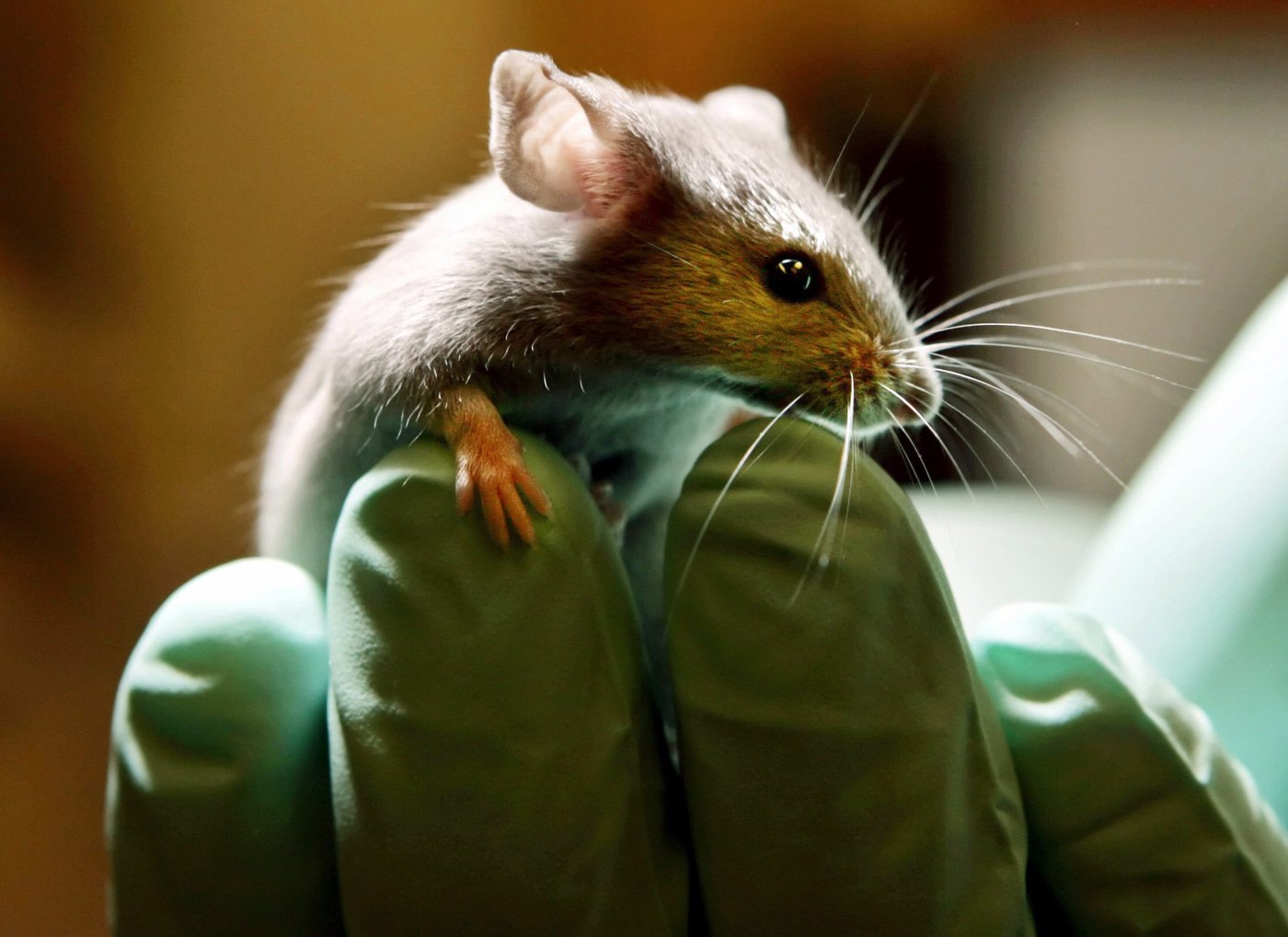
Researchers at Wuhan University demonstrated this effect by transplanting human lung,prostate,and colon cancer tumors into mice. These mice, despite developing cancer, exhibited fewer memory problems and reduced pathological
Worth a look