“`html
US-Iran Negotiations Resume Amidst Domestic and Regional Tensions
As of February 3, 2026, negotiations between the United States and Iran regarding Iran’s nuclear program are set to resume, following a period of heightened tensions and domestic unrest within Iran. These talks are occurring against a backdrop of regional instability, including ongoing conflicts and concerns over Iran’s ballistic missile program and support for proxy groups. The primary sticking point remains Iran’s uranium enrichment activities.
Recent Developments in Iran
Iran has experienced significant internal pressure as the beginning of 2026, triggered by widespread protests initially sparked by economic hardship and the rising cost of living. these protests quickly evolved into broader demonstrations against the islamic Republic’s theocratic government,which has been in power since the 1979 revolution. The government’s forceful suppression of these protests has drawn international criticism and further intensified scrutiny of its human rights record.Human Rights Watch provides ongoing coverage of the situation.
Economic Pressures and Protests
The economic situation in Iran has been exacerbated by international sanctions, declining oil revenues, and alleged mismanagement. These factors have contributed to high unemployment, inflation, and a decline in living standards, fueling public discontent. The International Monetary Fund offers detailed analysis of Iran’s economic challenges.
The Nuclear Program and US demands
the core issue driving the renewed negotiations is Iran’s nuclear program. The United States insists that Iran must verifiably dismantle its uranium enrichment program as a condition for any long-term agreement. This demand stems from concerns that Iran could develop nuclear weapons, posing a significant threat to regional and global security. The U.S. Department of State outlines its policy towards Iran, including its concerns about the nuclear program.
Iran’s Position on Enrichment
Iran maintains that its nuclear program is for peaceful purposes, such as energy production and medical isotopes. Iranian officials assert their right to enrich uranium under the Treaty on the Non-Proliferation of Nuclear Weapons (NPT), of which Iran is a signatory. However, the extent of Iran’s enrichment activities and the lack of transparency have raised concerns among international observers. The International Atomic Energy Agency (IAEA) provides regular reports on Iran’s nuclear activities and compliance with its safeguards agreements.
Negotiation Dynamics
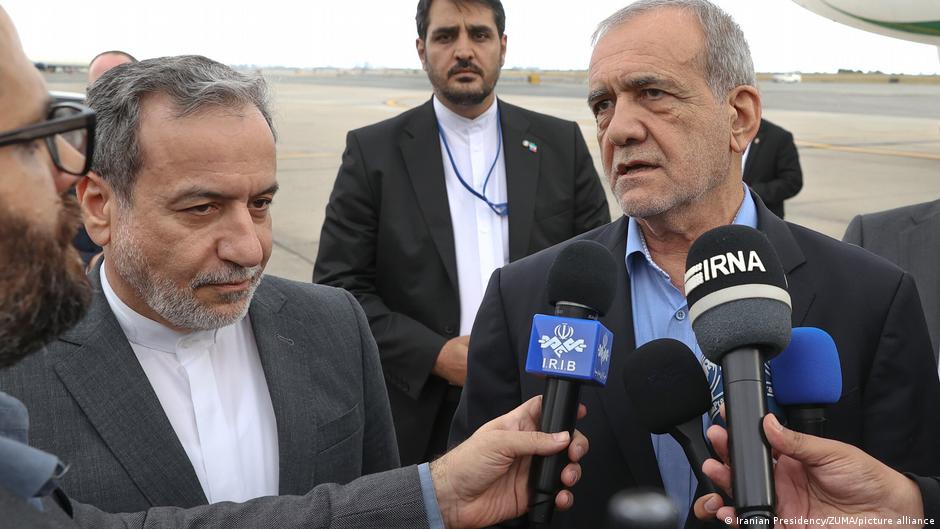
President Masud Pezeshkian of Iran has ordered the opening of direct talks with the United states, signaling a willingness to engage diplomatically. The Iranian delegation will likely be led by Foreign Minister Abás Araqchi, while the U.S. will be represented by a special envoy, Steve Witkoff. Previous,brief talks in 2025 were stalled by disagreements over uranium enrichment. The location and specific date for the new round of negotiations are yet to be announced, but are expected to be at a high level.
Regional Context and Potential Obstacles
The negotiations are taking place amidst a complex regional landscape. The recent 12-day conflict initiated by Israel in June 2025 has further heightened tensions. The involvement of other regional actors,such as Saudi Arabia and the United Arab Emirates,and their relationships with both the US and Iran,will likely influence the outcome of the
Keep reading