Menopause and the Brain: New Insights into Mental Health and Cognitive Changes
menopause, a natural biological process marking the end of a womanS reproductive years, is increasingly recognized for its far-reaching effects beyond the traditionally understood physical symptoms. Recent research from the University of Cambridge sheds light on the complex relationship between menopause, brain structure, mental wellbeing, and cognitive function, offering crucial insights into a life stage experienced by half the global population. This article delves into the findings of a large-scale study, exploring how menopause impacts the brain and the potential role of hormone replacement therapy (HRT) in mitigating these changes.
The biological Transition and its Systemic Effects
Menopause typically occurs between the ages of 45 and 55, characterized by the cessation of menstrual cycles due to declining ovarian hormone production. While commonly associated with hot flushes, sleep disturbances, and mood swings, emerging evidence suggests menopause triggers systemic changes that extend to the brain. Previous studies have hinted at links between menopause and alterations in cognitive abilities, specifically affecting memory, attention, and language processing. However, a comprehensive understanding of these neurological effects has remained elusive – until now.
In England, approximately 15% of women were prescribed HRT in 2023 to manage menopause-related symptoms. Despite its prevalence, the precise mechanisms by which menopause and HRT influence brain health, cognitive skills, and mental wellbeing have been poorly understood, prompting the need for more in-depth investigation.
A Landmark Study Utilizing UK Biobank Data
Researchers at the University of Cambridge undertook a comprehensive analysis of data from the UK Biobank, a large-scale biomedical database containing data from nearly 125,000 women. Participants were categorized into three distinct groups: pre-menopausal women, post-menopausal women who had never used HRT, and post-menopausal women currently using HRT.
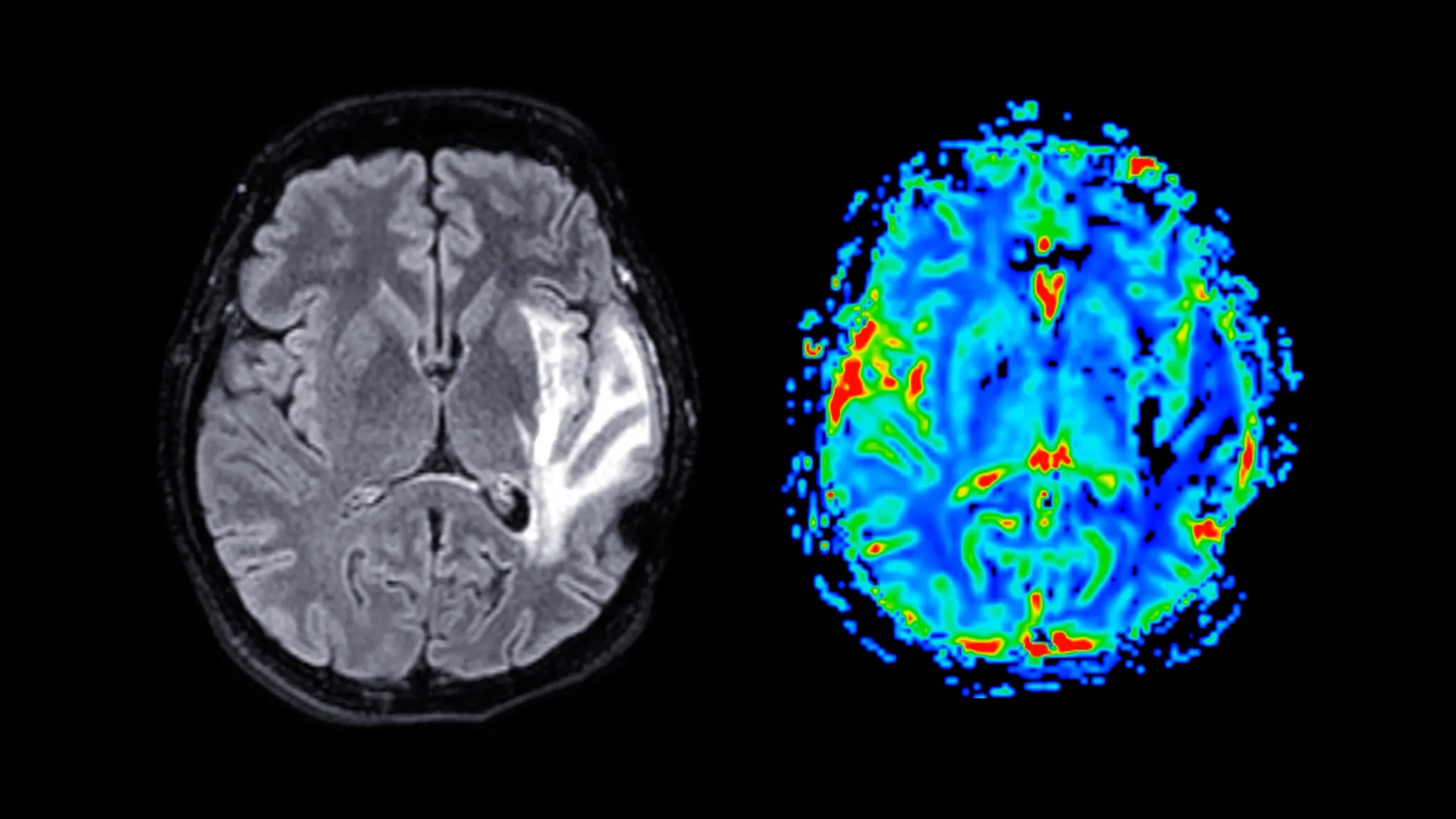
The study incorporated a multifaceted approach, utilizing questionnaires to assess menopause symptoms, mental health status, sleep patterns, and overall health. A subset of participants underwent rigorous cognitive testing to evaluate memory and reaction time. Crucially, approximately 11,000 women also underwent magnetic resonance imaging (MRI) scans, enabling researchers to visualize and quantify structural differences in the brain. The average age of menopause onset among participants was 49.5 years, with HRT typically initiated around age 49.
Mental Health Challenges Post-Menopause
The study revealed a significant correlation between menopause and increased mental health challenges.Women who had experienced menopause were demonstrably more likely to seek professional help – from GPs or psychiatrists – for anxiety, nervousness, and depression compared to their pre-menopausal counterparts. Thay also exhibited higher scores on standardized depression questionnaires and were more frequently prescribed antidepressant medications.
Interestingly, women currently using HRT reported higher levels of anxiety and depression compared to post-menopausal women not using HRT. Though, further analysis indicated that these elevated symptoms frequently enough pre-dated the onset of menopause. Researchers suggest this finding may reflect a proactive approach by some physicians, prescribing HRT in anticipation of potential mood disturbances triggered by hormonal changes.
Sleep disturbances were also prevalent among post-menopausal women, with increased reports of insomnia, reduced sleep duration, and persistent fatigue. Notably, women utilizing HRT reported the highest levels of fatigue, despite exhibiting similar total sleep duration to those not on HRT.
Cognitive Performance: Reaction time and Memory
The research team also investigated the impact of menopause on cognitive performance. Post-menopausal women not using HRT demonstrated slower reaction times compared to both pre-menopausal women and those utilizing HRT. Though,memory performance remained largely consistent across all three groups.
Dr. Katharina Zühlsdorff,from the Department of Psychology at the University of cambridge,explained this phenomenon: ”As we age,our reaction times naturally slow down - a universal process affecting both men and women. Menopause appears to accelerate this decline, but HRT seems to offer a mitigating effect, subtly slowing the aging process.”
Structural brain Changes and Potential Dementia Risk
MRI scans revealed a significant reduction in gray matter volume in post-menopausal women,irrespective of HRT usage. grey matter, crucial for information processing, movement control, and emotional regulation, exhibited noticeable shrinkage in key brain regions.
Specifically, the hippocampus - vital for memory formation and storage – the entorhinal cortex – a gateway for information transfer to the hippocampus - and the anterior cingulate cortex – responsible for emotional regulation and attention – were all affected.
These findings raise concerns about potential long-term neurological consequences. Professor Barbara sahakian, the study’s senior author, highlighted the connection to Alzheimer’s disease: “The brain regions we observed to be affected are also vulnerable in Alzheimer’s disease. Menopause could perhaps increase vulnerability to dementia later in life. While not a definitive link, it may contribute to the observed higher incidence of dementia in women compared to men – almost twice as many cases.”
The Importance of Holistic Wellbeing
The study underscores the importance of a holistic approach to managing menopause. Dr. Christelle Langley, from the Department of psychiatry, emphasized the need for lifestyle interventions: “Most women will experience menopause, and it can be a transformative life event, regardless of HRT use. A healthy lifestyle – incorporating regular exercise, maintaining an active social life, and adopting a nutritious diet – is particularly important during this period to mitigate its effects.”
Moreover,Dr. Langley stressed the need for greater sensitivity and support for women navigating menopause: “We must be more attuned to the physical and mental health of women during menopause, recognizing when they are struggling and fostering an habitat where they feel comfortable seeking help without embarrassment.”
This research provides valuable insights into the complex interplay between menopause, brain health, and mental wellbeing, paving the way for more targeted interventions and improved support for women during this significant life transition.
Related reading